Culture news and discussion on TalkFuse.
MARTHA MAcCALLUM, KELLY McKENNA: America’s next 250 years begin on the playground
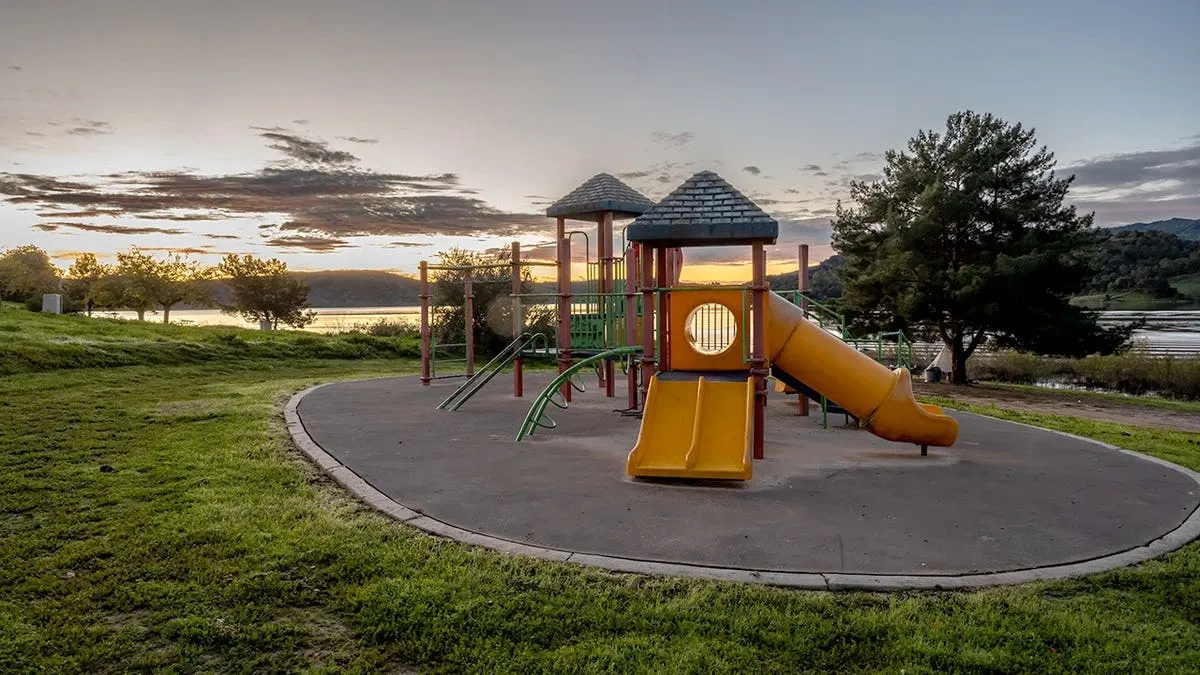
This Fox News opinion piece by Martha MacCallum and Kelly McKenna argues that as the United States marks the 250th anniversary of its independence, one of the most important ways to secure the country's future is by ensuring children get adequate recess and outdoor playtime. The authors contend that free play and fresh air are simple, cost-free tools that restore children's capacity to learn, yet many American schoolchildren are receiving far too little of it, undermining efforts to raise a generation capable of sustaining the nation's democracy.
The piece frames education as historically intended to be more than the efficient transfer of information, suggesting that unstructured play has been squeezed out of school schedules despite its benefits for wellbeing and cognitive development. It ties the issue to wider concerns about an "education depression" and declining student test scores despite increased education funding, positioning recess as a low-cost, high-impact remedy worth restoring as part of broader reflection on American values during the anniversary year.
In short
- Opinion piece links children's recess time to America's future strength.
- Authors say play boosts learning but is being cut from schools.
- Piece ties issue to declining test scores despite rising education funding.
Steelman: both sides, in good faith
The strongest fair case each way — we don't pick a winner.
The case for
Children's cognitive development, emotional wellbeing and capacity to learn are demonstrably enhanced by outdoor, unstructured play, yet American schools have systematically squeezed recess to maximise standardised test preparation despite questionable academic gains. Restoring adequate playtime would be a simple, evidence-backed intervention addressing the education depression without sacrificing academic rigour, particularly benefitting disadvantaged students whose home circumstances provide less enrichment.
The case against
Schools operate under mandated curriculum standards and accountability pressures that demand documented academic progress within finite time. Critics argue that recess expansion means less instructional time for core subjects like reading and mathematics, a trade-off especially consequential for disadvantaged students who depend on schools rather than home learning. Modern economic demands require substantial academic skill-building, making the time allocation question genuinely difficult rather than a simple matter of prioritising wellbeing.
Explained simply
The United States is marking 250 years of independence, and some commentators are using this milestone to reflect on what matters most for the country's future. A recent opinion article argues that one essential factor is ensuring children receive adequate recess and unstructured outdoor play during the school day. The authors contend that many American schools have reduced such playtime too substantially.
According to the piece, free play and fresh air have been squeezed out of school schedules despite evidence suggesting benefits for children's learning, wellbeing and development. This argument connects to broader concerns about student test scores and educational outcomes despite substantial increases in education spending. The authors propose that restoring recess represents a straightforward, cost-free approach to addressing these challenges.
The opinion reflects a wider debate about what schools should prioritise beyond test results and academic measures. The article argues that unstructured play develops skills and resilience necessary for sustaining a functioning democracy. The piece uses the 250th anniversary as an occasion for Americans to reconsider these educational priorities.
Art Culture Government Health Mental Health Politics Software Technology World