Marvel Has Officially Turned Deadpool’s Greatest Power Against Him in the Grossest Way Possible
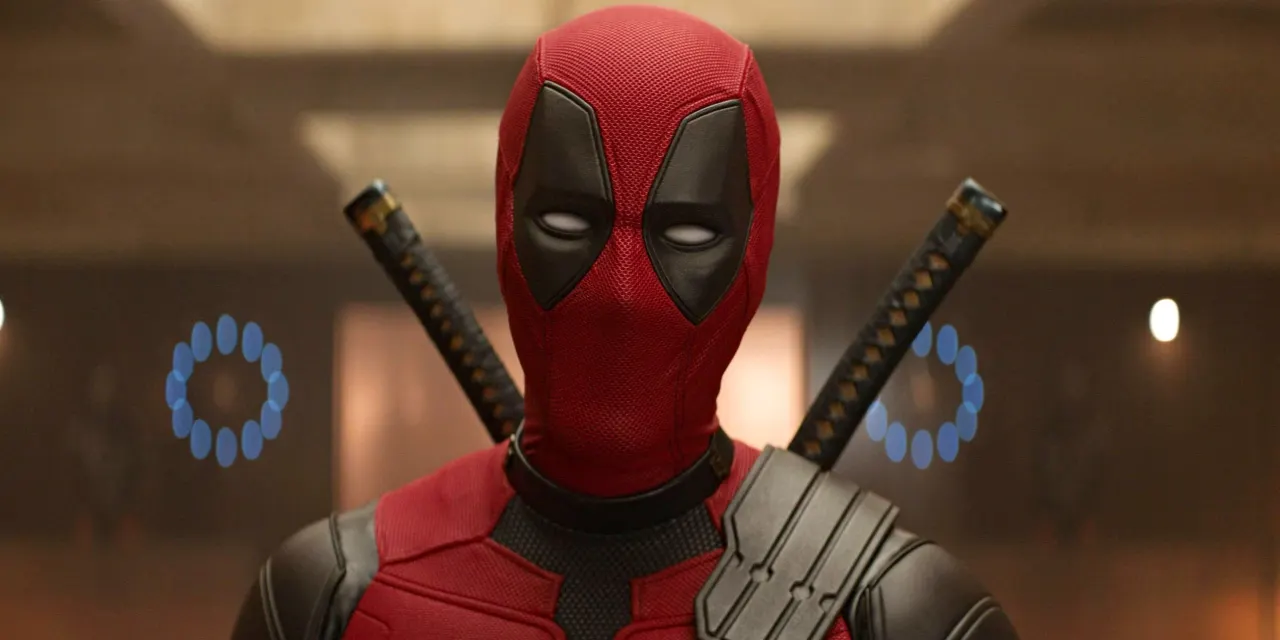
Marvel's Wade Wilson: Deadpool #7 preview turns the character's signature healing factor into the source of his newest threat, taking his trademark regeneration—long treated as a comedic guarantee of survival despite decapitation, dismemberment and other fatal-looking injuries—and recasting it as the trigger for a disturbing new danger. This marks a notable tonal shift for the long-running series, presenting one of the more unsettling adversaries Deadpool has faced in years rather than another gag about his invulnerability.
The preview shows Wade attacked at the Crown Jewel Hotel by a grotesque creature dubbed a "Badpool," which tears into his flesh while chanting "Your blood is good. Your blood is life." Even after he pulls it off, the creature keeps demanding more blood and attacks again, with the article indicating its obsession with Wade's regenerative blood is deliberate rather than random, setting up further story details still to come.
In short
- Deadpool's healing factor is now fuelling a new, gruesome threat.
- A "Badpool" creature attacks Wade, craving his regenerative blood.
- The scene appears in the Wade Wilson: Deadpool #7 preview.
Steelman: both sides, in good faith
The strongest fair case each way — we don't pick a winner.
The case for
Those favouring this creative direction argue that Deadpool's regenerative healing factor offers genuine thematic potential for body horror and existential threat—a dimension the character's comedy has long sidestepped. Rather than rely indefinitely on the tired guarantee of comedic survival, this tonal shift demonstrates artistic ambition that prevents a long-running series from calcifying into repetition. The Badpool concept cleverly inverts the character's signature power, creating genuine stakes whilst exploring the visceral implications of perpetual regeneration in ways that enrich rather than diminish the character.
The case against
Critics contend that Deadpool's essential appeal lies precisely in the reliability and absurdity of his healing factor as comedic guarantee—the character's tonal identity depends on this foundation. Forcing him into a body-horror threat framework contradicts his narrative niche and risks alienating audiences who value his lightness precisely because it distinguishes him from the darker elements of the Marvel catalogue. This shift, however creative in isolation, risks prioritising shock value over character consistency and may represent an unnecessary darkening of a character whose strength emerges from tonal distinctiveness rather than grimness.
Explained simply
Deadpool, real name Wade Wilson, is a Marvel Comics character best known for a mutant healing factor so powerful that he can survive injuries that would kill anyone else, including losing limbs or his head. This ability has long been played for dark comedy in the comics, with Wade shrugging off horrific wounds as part of his irreverent, fourth-wall-breaking personality.
The character currently stars in an ongoing Marvel comic book series, and previews of upcoming issues are regularly released to build anticipation ahead of publication. These previews give readers a first look at plot developments, artwork and new characters before the full issue goes on sale.
Marvel's comics routinely explore new threats and storylines for its characters, and creators will sometimes reinterpret an established power in an unexpected way to create fresh drama or horror. Understanding this story requires knowing that Deadpool's healing ability has traditionally been treated as an asset and a source of humour, which is relevant context for any storyline that reframes it as a liability.