Entertainment news and discussion on TalkFuse.
Mass Effect Could Still Be Saved, Ex-BioWare Developer Suggests, With Clair Obscur: Expedition 33 Holding the Key
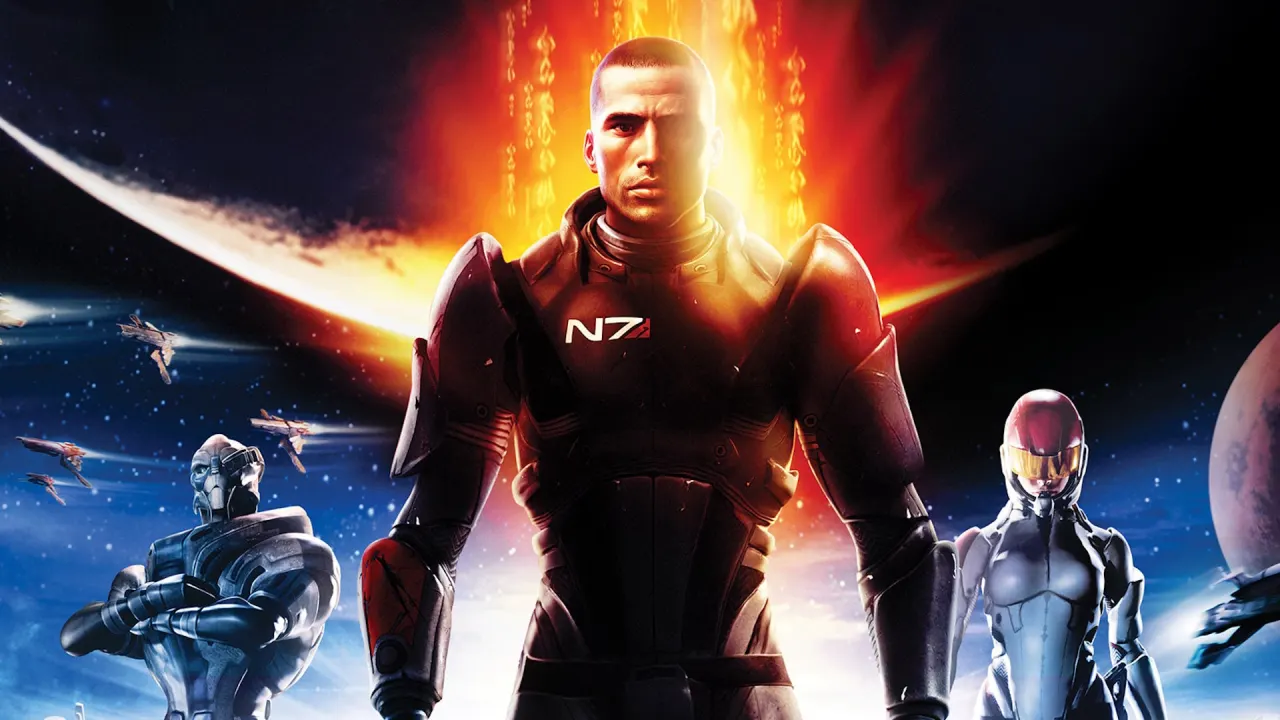
Christina Norman, a former BioWare lead programmer and designer, says a new Mass Effect game could be made for around $50 million, challenging estimates that completing the cancelled Mass Effect Universe project would cost more than $200 million. Her comments have renewed discussion about whether a smaller team and budget could keep the series going after EA shut BioWare and cancelled the project.
Norman pointed to Clair Obscur: Expedition 33, which was reported to have cost less than $10 million to make, as an example of what a focused team can achieve. Former BioWare co-founder Trent Oster has also said a cheaper Mass Effect might be possible, though it would differ from the cancelled project. EA still owns the franchise rights; a petition urging it to reconsider the cancellation has gathered more than 325,000 signatures.
In short
- Christina Norman estimates a new Mass Effect could cost about $50 million.
- Clair Obscur reportedly cost less than $10 million to make.
- EA retains the rights, and fans are pressing it to reconsider.
Steelman: both sides, in good faith
The strongest fair case each way — we don't pick a winner.
The case for
A new Mass Effect could be viable on a much smaller budget if it focused on a tight story, a compact team and carefully chosen scope. Norman’s estimate and Clair Obscur: Expedition 33 suggest that strong creative direction can deliver a substantial role-playing game without blockbuster spending, while continuing the series could preserve a valued franchise and give fans a new story.
The case against
A $50 million estimate may understate the cost of meeting the scale and expectations associated with Mass Effect, especially if the aim is to deliver the rich worlds, choices and production quality fans expect. Clair Obscur is a useful example of focused development, but its budget does not prove that the same approach would work for a different franchise; a smaller game could disappoint players or still carry significant commercial risk.
Entertainment Gaming Software Technology