World news and discussion on TalkFuse.
Massive fire decimates one of America’s last two foie gras farms
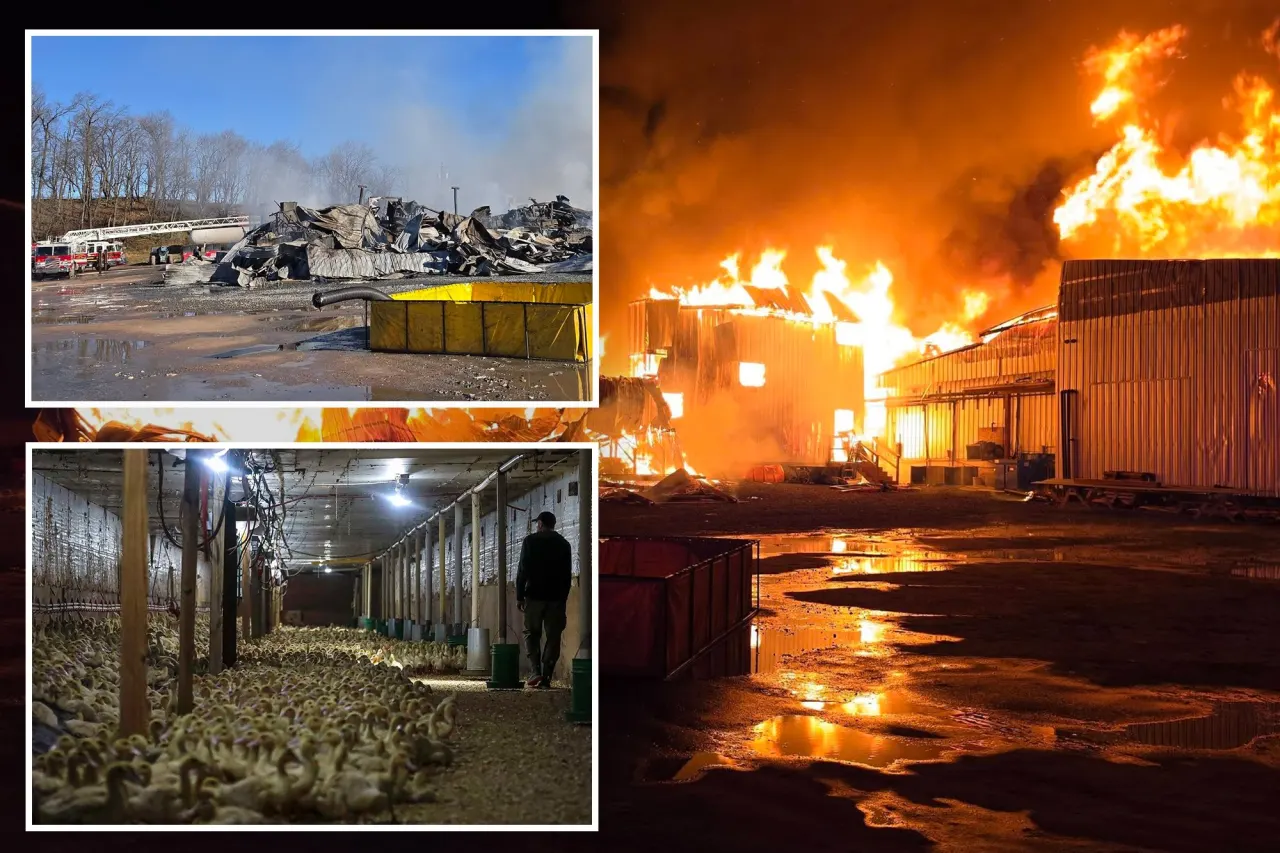
A fire destroyed most of Hudson Valley Foie Gras, one of the two remaining foie gras farms in the United States, at its Bethel, New York, site early on Thursday. Some birds were rescued, including hundreds of newly hatched birds, but an unknown number of ducks and geese died; no employees or emergency responders were injured.
More than two dozen fire departments attended after a 911 call at 1.10am, but the blaze spread too quickly for firefighters to enter the wood-framed buildings. An electrical fault is suspected, though the cause remains under investigation. The fire comes amid a legal dispute over New York City’s 2019 ban on foie gras sales, which has not been enforced while litigation continues; in March, a state appeals court ruled the city could regulate sales.
In short
- Fire destroyed most of a major Hudson Valley foie gras farm.
- Some birds were rescued, but the number killed is unknown.
- The farm is among two producers challenging New York City’s sales ban.
Steelman: both sides, in good faith
The strongest fair case each way — we don't pick a winner.
The case for
Supporters of foie gras farming can argue that a lawful, established agricultural business supports jobs, local suppliers and a specialised food tradition, and that the fire’s cause is still under investigation. They may see disputes over sales bans as questions for courts and elected officials, rather than grounds to treat the farm’s loss as deserved, while recognising the animal deaths as a serious tragedy.
The case against
Critics can argue that foie gras production raises substantial animal-welfare concerns because it involves force-feeding ducks or geese, and that the loss of a major farm may reduce a practice they consider unjustifiable. They may also support New York City’s effort to restrict sales, viewing it as a legitimate way for local government to reflect public concern about animal treatment, subject to the ongoing legal process.
Explained simply
Foie gras is a rich food made from the enlarged liver of a duck or goose, traditionally produced by feeding the birds more food than they would eat naturally. The practice is controversial: animal welfare groups oppose it, while farmers and supporters defend it as a long-standing food tradition and a source of jobs.
Hudson Valley Foie Gras, in Bethel, New York, is one of only two foie gras farms left in the United States. Its business has also been affected by a dispute over New York City’s 2019 ban on selling foie gras, which has not been enforced while legal challenges continue.
The dispute involves the city, the state courts, the farm and animal welfare groups. It matters because the courts’ decisions may affect where foie gras can be sold, while the farm’s future has consequences for its workers and the country’s remaining foie gras production.