World news and discussion on TalkFuse.
Mathieu Potte-Bonneville, philosopher: ‘Our great tragedy is that we perceive the future as a problem’
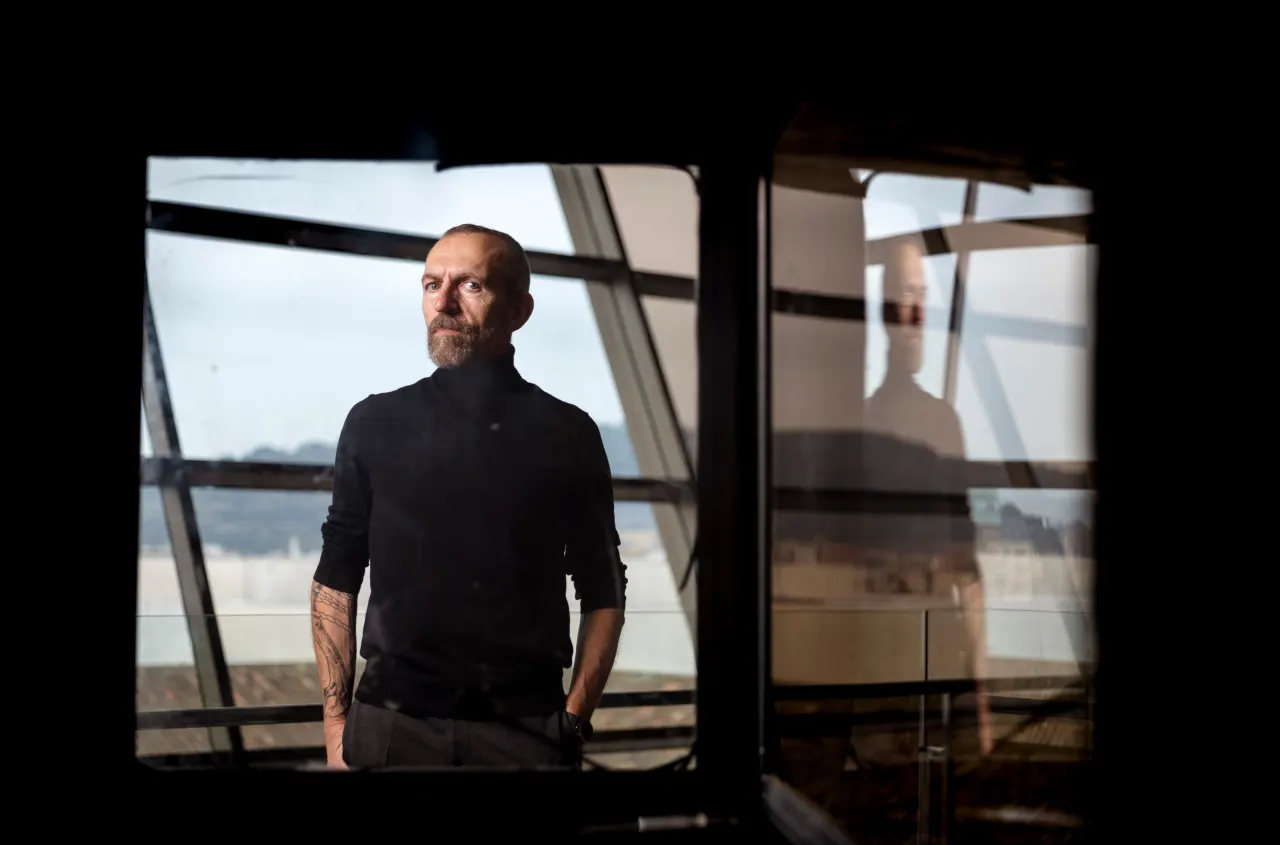
Mathieu Potte-Bonneville argues that Michel Foucault remains influential because his work connects philosophy, history, literature and the social sciences, and continues to offer ways to examine current issues. In an interview marking the centenary of Foucault’s birth, he says the philosopher’s ideas can help people think about artificial intelligence and algorithms, even though Foucault did not live to see them.
Potte-Bonneville points to the continuing publication of Foucault’s writings and their influence on thinkers including Judith Butler, Achille Mbembe and Gayatri Spivak. He cites an AI tool called Foukenstein, which simulates Foucault’s voice using his work, and Paris students carrying a “Discipline and Punish” banner as examples of his ideas resurfacing. The supplied article ends partway through an answer about Foucault and surveillance capitalism.
In short
- Foucault’s work continues to shape contemporary thought.
- His ideas are being applied to AI and algorithms.
- Students in Paris carried a banner quoting his work.
Explained simply
Michel Foucault was a French philosopher whose work examined how power shapes institutions, knowledge and everyday life. His books, including Discipline and Punish, drew on history and social science as well as philosophy, and remain widely discussed.
Mathieu Potte-Bonneville is a philosopher reflecting on Foucault’s continuing influence. Later thinkers such as Judith Butler, Achille Mbembe and Gayatri Spivak have engaged with his ideas, which are also used to consider newer subjects such as artificial intelligence and algorithms.
Foucault’s work matters to these debates because it offers ways to examine how systems classify, monitor and influence people. He died before today’s digital technologies emerged, so applying his ideas to them involves interpreting how his questions might relate to a changed world.