World news and discussion on TalkFuse.
MATT CALKINS: After years of threats and intimidation, the bullies in the women’s sports debate finally lost
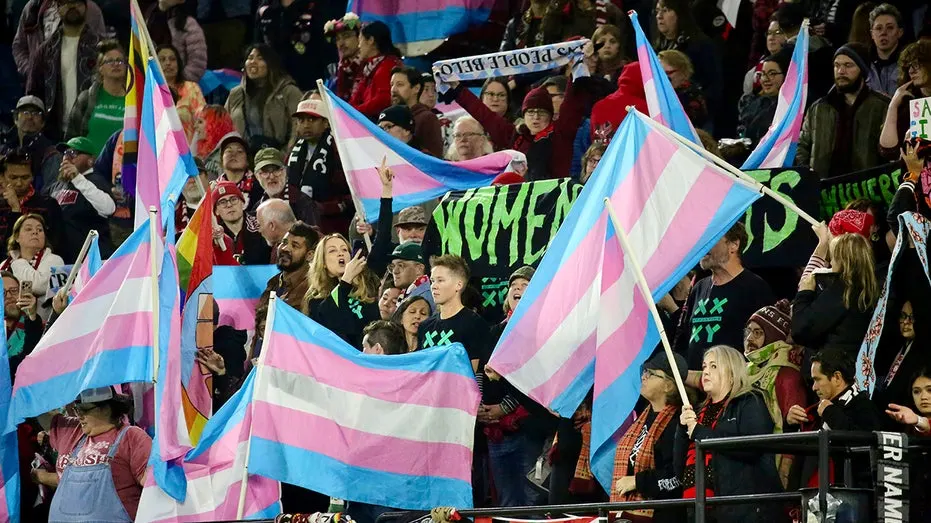
Washington voters appear to have passed Initiative 638, and Colorado voters approved Proposition 134, measures that the article says will require school sports teams to be separated by sex. The writer presents the results as a victory for people who support women’s sports, arguing that voters in two strongly Democratic states backed the measures despite pressure and opposition.
The article also describes incidents of harassment and confrontations involving athletes and advocates who oppose males competing in women’s sports, including at school, rallies and sporting events. It says opponents of Proposition 134 spent $4.9 million, nearly 18 times the $270,000 spent by supporters, while campaign ads in Washington warned that Initiative 638 could lead to genital examinations. The article argues that these results show more people are willing to speak publicly on the issue, though it provides no vote totals.
In short
- Washington and Colorado voters backed measures separating boys’ and girls’ school sports.
- The writer frames the results as a setback for intimidation.
- Colorado opponents reportedly outspent supporters nearly 18 to one.
Steelman: both sides, in good faith
The strongest fair case each way — we don't pick a winner.
The case for
Supporters argue that sex-separated school teams protect fair competition, safety and opportunities for female athletes, and that clear rules are easier for schools to apply consistently. They may see the votes as evidence that these protections have broad public support, while believing that harassment and personal intimidation should not decide a legitimate policy debate.
The case against
Opponents argue that policies excluding transgender girls from girls’ teams can stigmatise young people and deny them the belonging and participation that school sport provides. They may favour eligibility rules that consider individual circumstances and say that warnings about intrusive enforcement reflect real concerns about how sex-based rules could be applied, even as they condemn harassment of athletes and advocates.