Culture news and discussion on TalkFuse.
Mayors allowed to keep share of taxes collected in their area as part of Burnham’s devolution revolution
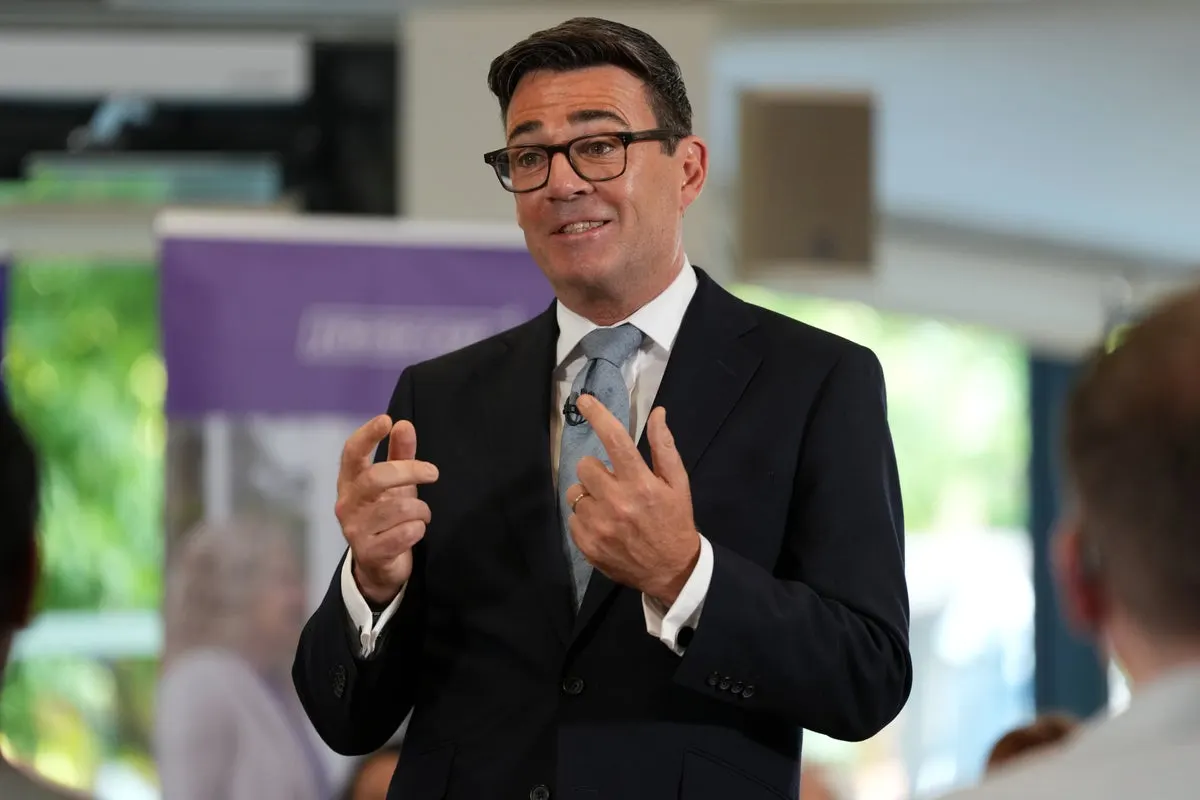
English mayors would be allowed to retain a share of income tax and business rates raised locally under Andy Burnham’s proposed devolution reforms. The policy is intended to give regional leaders a stronger financial incentive to grow their economies and more resources for transport, housing and job creation, reducing reliance on decisions made in Westminster.
The proposals are expected in a white paper alongside the autumn Budget, although mayors would not gain the power to set income tax rates themselves. The Government says taxpayers’ rates would not change and an equalisation system would continue supporting lower-revenue areas. Existing mayoral areas include Greater Manchester, Liverpool City Region and South Yorkshire, with new mayoral elections planned in areas including Greater Essex and Hampshire and the Solent.
In short
- Mayors could retain shares of locally collected taxes.
- Tax rates would remain set nationally.
- Poorer areas would still receive financial support.
Steelman: both sides, in good faith
The strongest fair case each way — we don't pick a winner.
The case for
Allowing mayors to retain some locally raised tax revenue could give them a steadier, longer-term budget and a direct incentive to support jobs, housing and transport that expand the local economy. It could also make regional leaders more accountable for how growth translates into public investment, while equalisation funding could help protect areas with a weaker tax base.
The case against
Sharing tax revenue locally could widen differences between prosperous areas and places with fewer businesses or higher needs, even if an equalisation system remains. It may also complicate national budgeting and weaken Westminster’s ability to direct resources according to countrywide priorities, while giving mayors more responsibility without letting them set tax rates.
Explained simply
English mayors are elected leaders of major city regions responsible for planning, transport and economic development within their areas. Most of their funding currently comes from central government in Westminster, which limits their ability to make independent decisions about local priorities.
Reforms being proposed would allow mayors to retain a portion of income tax and business rates collected within their regions, rather than all tax revenue going to Westminster. This would apply to existing mayoral areas including Greater Manchester, Liverpool City Region and South Yorkshire, alongside new mayoral positions being created across other parts of England.
The intended benefit is to give regional leaders stronger financial incentives and more resources to invest in local priorities such as transport, housing and jobs. An equalisation system would continue supporting lower-revenue areas alongside these reforms.
Art Culture Government Politics UK World