Sport news and discussion on TalkFuse.
McIlroy handed two-shot penalty for improving lie
Developing story first seen 3 hours ago
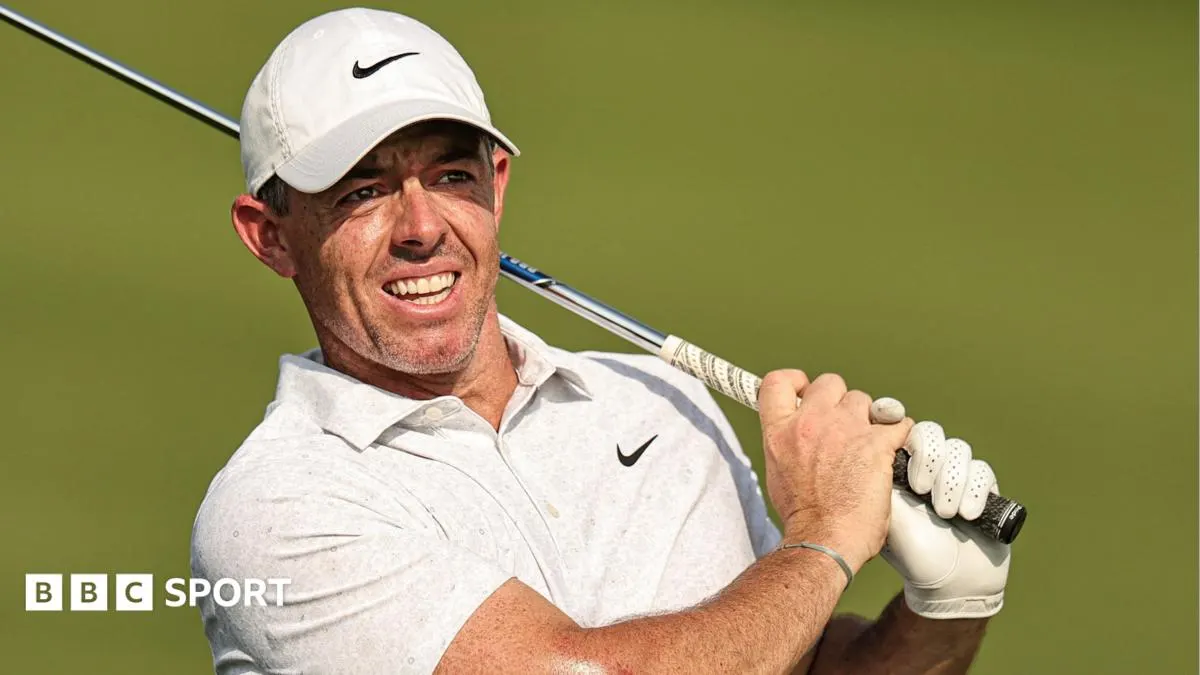
McIlroy’s two-shot penalty left him eight shots behind Francesco Laporta after the opening round of the Abu Dhabi Championship. It changed his score on the 12th from a six to an eight, turning an apparent four-under-par 68 into a two-under-par 70.
Officials ruled that McIlroy pressed his club into the grass behind his ball, improving his lie, which breaches golf’s rules. He said he had not intended to do so but accepted the penalty, saying he did not want to appear to have got away with anything. Laporta leads on 10 under after a 62; McIlroy is tied with Eugenio Chacarra and is seeking a record-equalling eighth Race to Dubai title.
- Sources
- 2
- Outlets
- 2
- Left · Centre · Right
- 0 · 1 · 1
In short
- McIlroy’s penalty turned a 68 into a 70.
- He is eight shots behind leader Francesco Laporta.
- McIlroy accepted the ruling despite saying it was unintentional.
How this story developed
- 1 hour ago Rory McIlroy received a two-shot penalty after officials ruled that he had improved his lie in the rough during the first round of the Abu Dhabi Championship.
- 1 hour ago McIlroy’s two-shot penalty left him eight shots behind Francesco Laporta after the opening round of the Abu Dhabi Championship. It changed his score on the 12th from a six to an eight, turning an apparent four-under-par 68 into a two-under-par 70.
Where outlets differ
Right-leaning outlets 1
Only here: rory, assessed, caught, admits, doesn
Every side used: mcilroy, shot, penalty, improving
Headline columns compared word for word; nothing in them is AI-written.
Steelman: both sides, in good faith
The strongest fair case each way — we don't pick a winner.
The case for
The penalty is defensible because golf depends on players being held to consistent rules, including when an action improves a ball’s lie whether or not that was intended. Applying the penalty protects fairness to the field and the sport’s credibility, and McIlroy’s acceptance reflects the value of taking responsibility for the ruling.
The case against
A reasonable case for leniency is that the reported contact was unintentional, and a severe two-shot consequence can materially affect a round and a title race even without deliberate advantage. Supporters of this view may argue that the rules should distinguish accidental contact from purposeful improvement, while still correcting any advantage gained.
Coverage · 2 sources
Bias meters
From 2 rated sources.