Meddling John Swinney’s five-year plan for Scottish Government blasted as a series of ‘gimmicks’
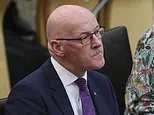
First Minister John Swinney has unveiled his first programme for government since the Holyrood election, setting out a five-year plan for major public sector reform alongside a bus fares cut and a controversial supermarket price cap. The plans include mass mergers of quangos, councils and NHS boards, which Swinney called the "most radical reshaping of public services" since devolution, but opposition parties and business leaders have dismissed the package as gimmicks and empty promises, while trade unions have threatened to fight the reforms.
Key measures include cutting Scotland's 14 regional health boards to just two, merging ferries quangos, bringing Transport Scotland back into government, and consulting for three months on a new local government structure, though officials admit delivery could take up to five years. The £2 bus fares cap will extend across the west of Scotland from Monday, but will not cover the whole country until the end of this parliament in 2031. Swinney also pressed ahead with a food price cap on supermarket items despite his own government's consultation and an admission it could cause shortages, drawing criticism from Scottish Conservative leader Russell Findlay, who branded it a "Soviet-style" scheme, and Reform UK's Malcolm Offord, who likened it to "rearranging deck chairs on the Titanic".
In short
- Swinney unveils five-year plan to merge NHS boards, councils and quangos
- Opponents call reforms and food price cap "gimmicks" and "empty promises"
- £2 bus fare cap extends to west Scotland, nationwide rollout not until 2031
Steelman: both sides, in good faith
The strongest fair case each way — we don't pick a winner.
The case for
Supporters could argue that Scotland’s public services need structural reform to reduce duplication and improve co-ordination, and that consolidating health boards and other bodies may help direct resources towards frontline services. They could also defend bus fare cuts and a supermarket price cap as practical attempts to ease household costs, while accepting that major changes will take time to implement.
The case against
Critics could argue that sweeping mergers risk disrupting services and weakening local accountability, especially when the government has yet to show how the changes will improve outcomes. They could also question whether measures phased in over years will deliver meaningful relief soon, and warn that a supermarket price cap could cause shortages or distort supply, particularly as the government’s own consultation raised that risk.
Explained simply
Scotland is governed by the Scottish Government, led by the First Minister, while the Scottish Parliament in Holyrood makes laws and scrutinises its plans. Public services such as health, transport and local government are run through a mix of government departments, councils and public bodies, including regional NHS boards.
John Swinney leads the Scottish National Party government. Its plans involve changing how some public bodies are organised, alongside measures affecting bus fares and supermarket prices; these areas matter to residents, public service staff, councils and businesses.
The proposals have prompted disagreement over their likely effects and how they would be put into practice. Opposition parties and business leaders have criticised them, while trade unions have warned they may oppose changes to public services.
Americas Culture Entertainment Food Government Politics TV World