Medieval hospital built for victims of feared disease gives up long-buried secrets
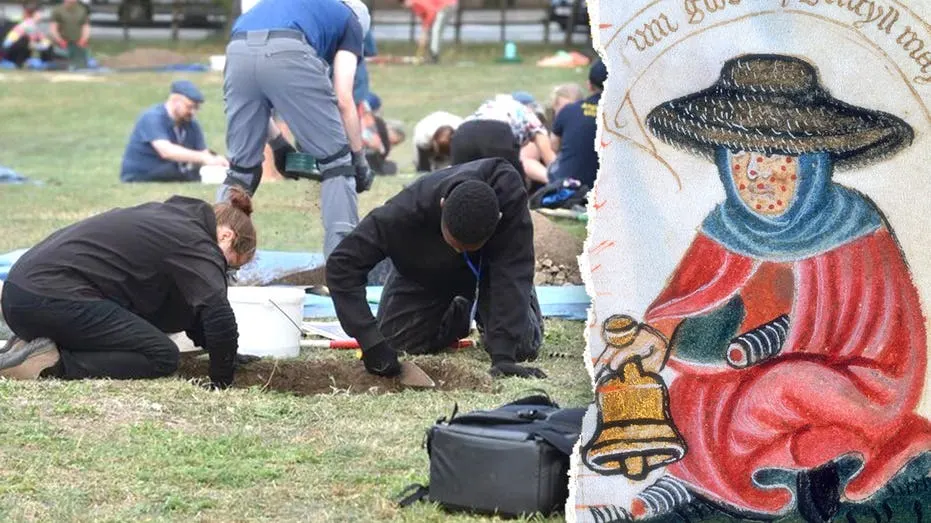
Archaeologists have uncovered new remains at the Hospital of the Holy Innocents in Lincoln, one of England’s oldest and largest medieval hospitals for people with leprosy. The discoveries may help explain how patients lived and who could afford admission, offering a rare view of care for a feared disease in the Middle Ages.
During a three-day excavation, the team found traces of medieval walls and small, square features that may have been separate living quarters or enclosed yards. Founded between the late 11th and early 12th centuries, the hospital operated for nearly 500 years and reportedly housed up to 20 patients at a time. The work is part of a three-year research project; leprosy, also called Hansen’s disease, remains present today but is curable with antibiotics.
In short
- New remains have been found at a medieval leprosy hospital in Lincoln.
- Small features may mark patients’ individual living spaces.
- The hospital cared for up to 20 people at a time.
Explained simply
The Hospital of the Holy Innocents was founded in Lincoln around the late 11th or early 12th century to care for people with leprosy, now also known as Hansen’s disease. It was one of England’s largest institutions of its kind and continued operating for nearly 500 years.
Leprosy could cause visible changes to the body, and people affected by it often faced fear and separation from others. Medieval hospitals varied in how they offered care, and admission could depend on a person’s circumstances and resources.
The Lincoln site can help researchers learn more about patients’ daily lives and the hospital’s arrangements. Leprosy still occurs today, but it can be cured with antibiotics.
Art Culture Health Medicine UK World