Science news and discussion on TalkFuse.
Tracked godwit Phil flies 6,800 miles between Norfolk and Siberia
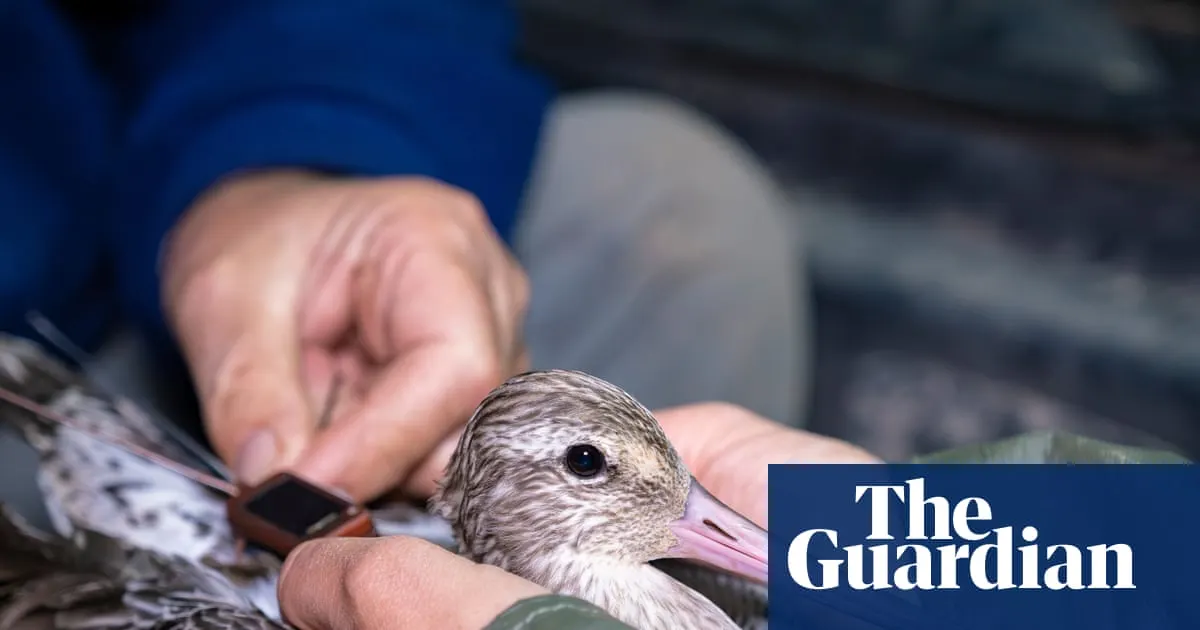
A bar-tailed godwit named Phil has completed a 6,800-mile round trip from Norfolk to Siberia and back, revealing the scale of this small wading bird’s migration. The tracking shows how birds visiting Britain rely on wetlands across several countries, making their protection a shared international responsibility.
RSPB scientists followed Phil with a 6g tracker fitted in January by the Wash Wader Research Group. He travelled from the Wash to the Wadden Sea in March, reached Siberia’s Taymyr peninsula in late May, then returned via the Arctic Ocean and three Norwegian islands. Phil was recorded back at RSPB Snettisham, on the Wash, where large numbers of birds gather at high tides.
In short
- Phil flew 6,800 miles between Norfolk and Siberia and back.
- A 6g tracker recorded his route across several countries.
- His journey highlights the importance of linked wetlands.
Explained simply
Bar-tailed godwits are migratory wading birds that feed on small animals in wet, muddy places. Some spend part of the year in Britain and breed in the Arctic, travelling between feeding and nesting areas as the seasons change.
The Wash, on the Norfolk and Lincolnshire coast, is an important stop for birds moving along this route. Their journey links wetlands in several countries, so the places they rely on are part of a wider international network.
Read the full article at the source →
Originally published by The Guardian as “Meet Phil, the bar-tailed godwit tracked on a 6,800-mile round trip to Siberia”.