Entertainment news and discussion on TalkFuse.
Vanity Fair’s Taylor Swift profile draws scrutiny over May Jeong’s methods
Developed over time first seen 22 hours ago
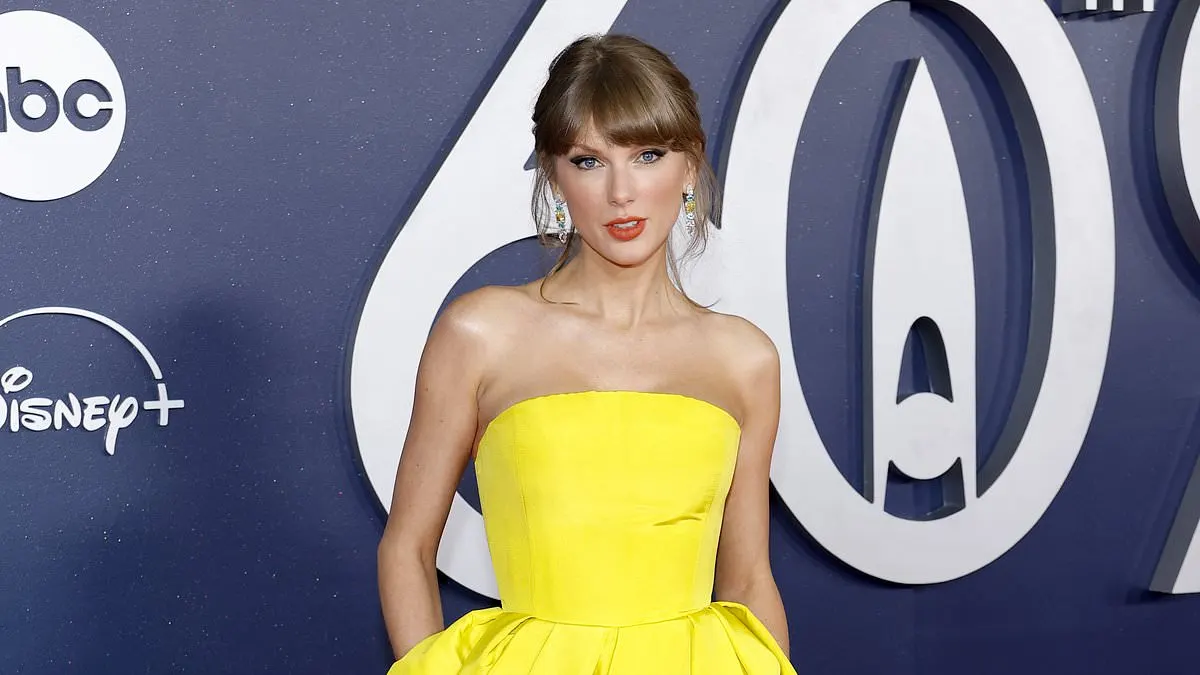
Vanity Fair correspondent May Jeong’s profile of Taylor Swift prompted criticism over its claims, framing and reporting methods. The debate centres on the article’s use of unnamed sources to make pointed assertions about Swift, and whether its presentation as an extensively reported profile gives readers enough evidence to assess those claims.
Jeong said she had spoken to more than 100 sources, while Variety critic Chris Willman observed that the published piece quotes six people on the record. It uses pseudonyms for Swift, Travis Kelce, Olivia Rodrigo and Charli XCX, and describes Swift as both widely admired and, according to sources, controlling and manipulative. Jeong has received journalism awards for reporting on shootings at Atlanta spas and covering Afghanistan; the article says Vanity Fair’s publisher and Jeong were contacted for comment.
- Sources
- 3
- Outlets
- 2
- Left · Centre · Right
- 0 · 0 · 3
In short
- Vanity Fair’s Taylor Swift profile faced scrutiny over its reporting and framing.
- Jeong said she spoke to more than 100 sources.
- A Variety critic counted six on-record sources in the article.
How this story developed
- 21 hours ago The backlash centred on the profile’s labels for Swift and people around her, while Variety’s Chris Willman pointed out that just six of the more than 100 people Jeong said she spoke to were quoted on the record.
- 21 hours ago A Vanity Fair profile of Taylor Swift triggered scrutiny of correspondent May Jeong’s background and social media posts, as critics challenged its portrayal of Swift and the sourcing behind it.
Full account
Vanity Fair’s profile of Taylor Swift, written by correspondent May Jeong and published on Monday, has prompted fierce debate about both its portrayal of the singer and the reporting behind it. The article says it draws on more than 100 interviews and traces Swift’s childhood, rise to fame and cultural influence. It avoids naming several figures directly, instead using labels including “The Star” for Swift, “The Protégé” for Olivia Rodrigo, “The Brat” for Charli XCX and “Redwood” for Travis Kelce, Swift’s husband.
The article’s sharpest claims rely on accounts from sources, some unnamed. Jeong presents a picture of Swift as both admired and feared, reporting allegations that she can be controlling and manipulative and that she uses her own experiences of hurt to claim moral authority. The account also includes accusations of bullying from former classmates, according to Page Six. The approach has attracted criticism online, where some readers have attacked the article and Jeong personally. The material provided does not establish the allegations independently.
Page Six reports a separate dispute inside Condé Nast, Vanity Fair’s parent company. Sources told the outlet that Anna Wintour wanted no involvement and that Vogue editorial head Chloé Malle was uneasy about the profile’s potential effect on the company’s relationship with Swift. Representatives for Wintour and Vogue denied that account, while Vanity Fair rejected suggestions that editorial director Mark Guiducci’s position was under threat. Other sources quoted by Page Six described Guiducci as pleased with the attention and said the story was a deliberate editorial choice that had helped attract readers.
The reports therefore frame the controversy from different angles: one foregrounds Jeong’s career, the profile’s allegations and the backlash directed at her; the other focuses on internal tensions, business calculations and Condé Nast’s relationship with Swift. Jeong’s earlier reporting in Afghanistan and her award-winning work are cited in the first account as context for her credentials. Page Six, meanwhile, reports that the profile has drawn clicks and that the magazine’s subscriptions have been growing, while presenting competing claims about how senior figures viewed the decision.
Where outlets differ
From the full account, which is AI-written from the sources:
The first report centres on the article’s content, Jeong’s background and online abuse; Page Six concentrates on reported internal reactions at Condé Nast, Guiducci’s motives and the commercial response.
Page Six’s claims about Wintour and Malle are attributed to unnamed sources and are disputed by a Vogue and Wintour representative. Vanity Fair also denies that Guiducci’s job is at risk. The first report does not discuss these denials or the internal dispute.
The first report describes a broad online backlash against Jeong; Page Six instead presents the profile as an attention-getting editorial move, with sources saying it generated traffic and fits a period of subscription growth. The accounts do not quantify the response or independently verify the claims about performance.
Steelman: both sides, in good faith
The strongest fair case each way — we don't pick a winner.
The case for
A profile of a powerful celebrity can serve the public interest by examining how influence and reputation operate behind the scenes, and Jeong says she spoke to more than 100 people. Pseudonyms may help sources speak candidly about sensitive relationships, while the reported range of views presents Swift as both admired and criticised.
The case against
Readers can reasonably question whether the profile’s claims are adequately supported when only six sources are quoted on the record, particularly given the use of pseudonyms for prominent figures. If its framing relies heavily on anonymous accounts, the piece may leave readers unable to assess sources’ proximity, motives or basis for characterising Swift as controlling or manipulative.
Explained simply
Taylor Swift is a US singer-songwriter whose public life and relationships draw extensive media attention. Vanity Fair is an American magazine known for long-form profiles, which often rely on interviews with people who know the subject.
May Jeong is a journalist who has reported on Afghanistan and shootings at Atlanta spas. In profiles, journalists may speak with many people but publish only some comments; pseudonyms can be used to protect sources’ identities. The number of people quoted and how their accounts are presented can shape how readers judge a profile’s fairness and reliability.
Coverage · 3 sources
Bias meters
From 3 rated sources.
Read the full article at the source →
Originally published by Daily Mail as “Meet the woke Vanity Fair writer who’s angered the internet with Taylor Swift takedown: Professional biography includes word salad land acknowledgement”.