World news and discussion on TalkFuse.
Megadonors Poured Fortunes Into Midterms. Here’s What Bang They Got For Their Buck.
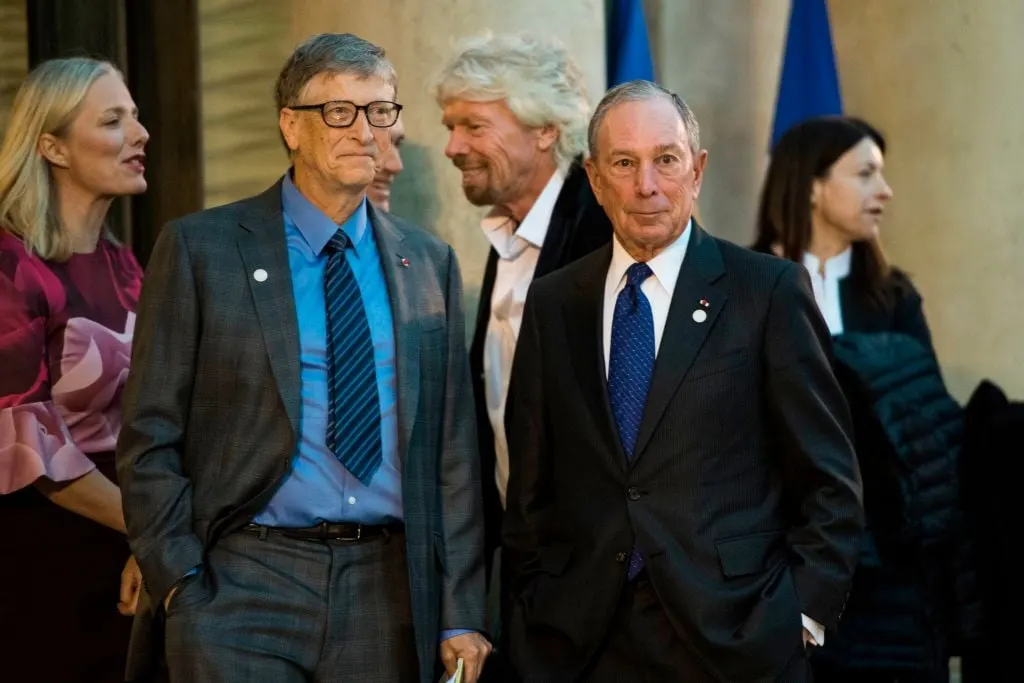
Some of America’s biggest political donors spent billions backing candidates and campaign groups in the 2026 midterms, but several high-profile Republicans they supported lost as Democrats captured control of Congress. The results have renewed questions about how much influence large donations can buy, even as wealthy donors have gained greater scope to spend through political organisations.
The 40 largest donors gave more than $2.4 billion by mid-October, over 50% more in inflation-adjusted terms than the top 40 gave across the 2022 midterm cycle. Elon Musk contributed about $446 million, including more than $150 million in support connected to Texas Republican Senate candidate Ken Paxton, who lost to Democrat James Talarico. Jeff Yass and his wife gave about $110 million to Republican-aligned efforts; their supported candidate Vivek Ramaswamy lost Ohio’s governor’s race to Amy Acton, who won about 52% to his 44%. Democratic-aligned donor George Soros and associated organisations contributed about $102 million to Democracy PAC.
In short
- The 40 biggest donors gave more than $2.4 billion by mid-October.
- Several heavily backed Republican candidates lost.
- Democrats captured control of Congress.
Steelman: both sides, in good faith
The strongest fair case each way — we don't pick a winner.
The case for
Large donations can help candidates and causes reach voters, organise campaigns and compete in expensive elections, giving donors a way to support political priorities they believe are underrepresented. Their influence is also constrained: voters decide the outcome, and the losses of candidates backed by major donors show that spending cannot guarantee victory.
The case against
When a small number of wealthy donors can spend billions, they may gain disproportionate access and shape which candidates or causes receive attention, weakening the principle that political influence should be broadly shared. Even when donors lose particular races, the scale of their spending can still affect the agenda and the choices presented to voters.
Explained simply
In the United States, midterm elections are held halfway through a president’s four-year term. Voters choose members of Congress, who make federal laws, and also decide many state offices, including governors and senators.
Wealthy individuals can give to candidates and spend through political groups that support particular parties or causes. These groups can pay for campaign advertising and other efforts, though rules differ depending on the type of group and how it is organised.
Large donations can help candidates reach voters, but they do not guarantee victory. The scale of spending raises questions about the role of wealthy donors in elections and how much influence their money can secure.
Americas Elections Politics World