Megan Rapinoe mocks Enes Kanter Freedom’s ‘protect women’ comments, calls him ‘bad-faith actor’
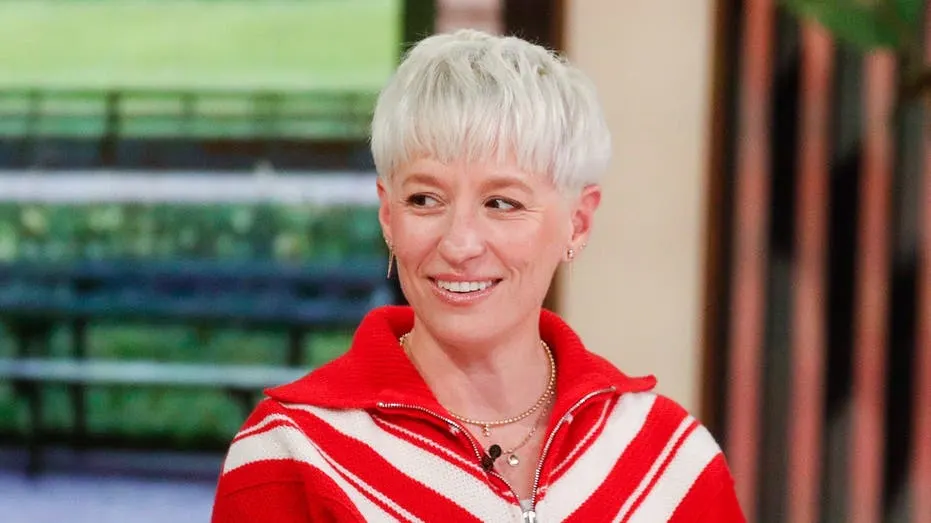
Megan Rapinoe criticised Enes Kanter Freedom after he was ejected from a Chicago Sky–Indiana Fever game, dismissing his claim that he was there to “protect women” as insincere. She described people who oppose transgender women’s participation in women’s sport as “bad-faith actors” and argued that the growing popularity of women’s leagues had made them targets for political attacks.
Freedom was removed during the third quarter after Chicago’s Natasha Cloud reacted towards him from the court and he stood up and moved in her direction; Sky officials said security and police considered him a threat and later barred him from the arena. Freedom said Cloud had made a remark about Fever player Sophie Cunningham and maintained that he had attended to support women’s sport, while Rapinoe said his presence showed online disputes were increasingly spilling into live sporting events.
In short
- Rapinoe accused Kanter Freedom of exploiting women’s sport for political purposes.
- Freedom was ejected after a confrontation involving Natasha Cloud.
- He said he attended to support and protect women’s sport.
Steelman: both sides, in good faith
The strongest fair case each way — we don't pick a winner.
The case for
Rapinoe’s supporters would argue that women’s sport should not be used as a stage for political provocation, particularly where activists’ records or conduct give athletes reason to doubt their stated motives. They may say transgender inclusion is a complex matter that deserves evidence-led policy and respectful discussion, not confrontations at matches or rhetoric that casts transgender people as inherent threats. From this view, defending players’ safety and allowing women’s leagues to grow without becoming a vehicle for culture-war conflict are central priorities.
The case against
Freedom’s supporters would argue that safeguarding fair competition and sex-based categories in women’s sport is a legitimate concern, and that people raising it should not automatically be presumed hostile or insincere. They may contend that women athletes and supporters are entitled to advocate publicly for policies they believe protect opportunities, privacy and competitive fairness, including at high-profile sporting events provided they behave peacefully. From this perspective, dismissing such concerns as bad faith can foreclose necessary debate and obscure genuine disagreements about how inclusion should be balanced with women’s sport.
Explained simply
Megan Rapinoe is a former US footballer who has spoken publicly about transgender people’s participation in sport. Enes Kanter Freedom is a former professional basketball player and political commentator who has criticised those policies and says he supports women’s sport.
Debates about transgender women competing in women’s leagues have become part of wider arguments about fairness, inclusion and how sporting rules should be set. Women’s sport has also drawn growing audiences and attention, making disputes over its rules more visible.
The incident involved the Chicago Sky and Indiana Fever, teams in the US Women’s National Basketball Association. It brought an online political disagreement into a live game, with players, spectators and arena staff involved.
Asia Celebrity Entertainment World