Meghan Markle’s UK return poses Palace control ‘nightmare,’ expert warns
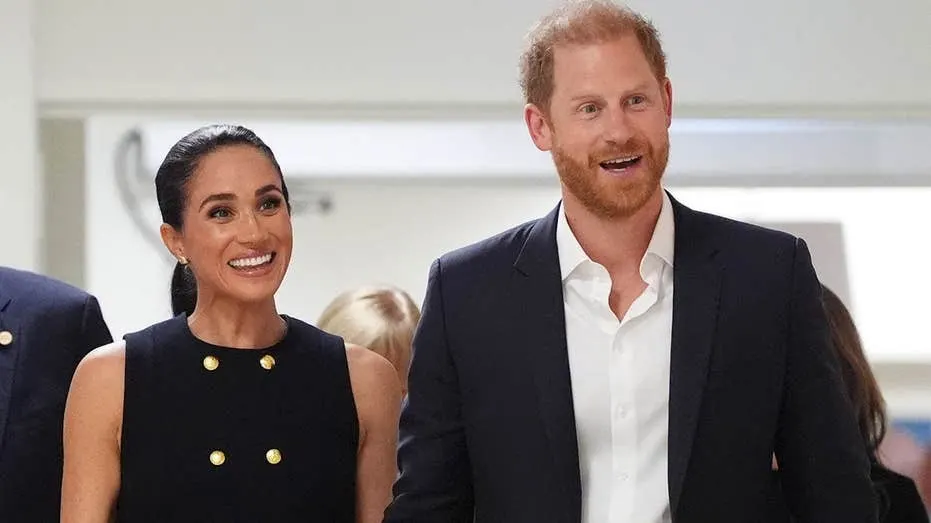
Meghan Markle and Prince Harry have relocated to the UK with their children, Archie and Lilibet, remaining private, non-working members of the Royal Family rather than resuming official duties. Royal commentators say this arrangement could prove awkward for Buckingham Palace, since the couple retain freedom to pursue media, business and public-facing projects without needing royal approval, yet still carry the public fascination that comes with their titles and Harry's lineage. Experts warn that clashes between the Sussexes' independent activities and the carefully planned royal diary could repeatedly overshadow official engagements.
Commentator Richard Fitzwilliams described the situation as a "nightmare" for the Palace because the couple "can't be controlled", while royal watcher Kinsey Schofield noted the Palace has "very little control" over their interviews, appearances or commercial ventures since they no longer act on the King's behalf. Schofield added that the Palace's remaining leverage lies in controlling the Sussexes' access to royal residences, events and working royals, though this would not stop their activities from drawing attention. Sources cited by People magazine said the couple return with a stronger personal support network than before, though Schofield cautioned that this independence comes at the cost of Palace protection.
In short
- Meghan Markle and Harry move to the UK as private, non-working royals
- Experts say Palace has little control over their activities
- Diary clashes could see royal events overshadowed by the Sussexes
Steelman: both sides, in good faith
The strongest fair case each way — we don't pick a winner.
The case for
The Palace has a reasonable interest in protecting the monarchy’s ability to plan public engagements and speak consistently, especially when the Sussexes’ high-profile projects could draw attention away from official work. Because the couple retain royal titles and public prominence while acting independently, clear boundaries around access and representation may help avoid confusion about whether their activities speak for the Crown.
The case against
As private citizens, the Sussexes can reasonably expect to choose their own work and public appearances without Palace approval, and their independence reflects a boundary between personal life and official duty. Restricting access or influence to manage headlines could blur that boundary; the Palace can instead clarify when the couple are acting privately and let the public distinguish their activities from official royal business.
Explained simply
The Royal Family includes the monarch and relatives who carry out official duties on his behalf. Harry is the younger son of King Charles III; he and Meghan stepped back from royal duties in 2020 and moved to the United States.
They remain members of the family but do not represent the King in their work. This distinction matters because royal duties are coordinated by the Palace, while private media and business projects are generally their own to pursue.
The Palace can decide who is invited to royal events and given access to royal residences, but it cannot direct the couple’s independent activities. Their titles and family connection can still draw public attention, which may affect how royal engagements are covered.