Politics news and discussion on TalkFuse.
MEHEK COOKE: Republicans failed the affordability test. This is how to win voters back
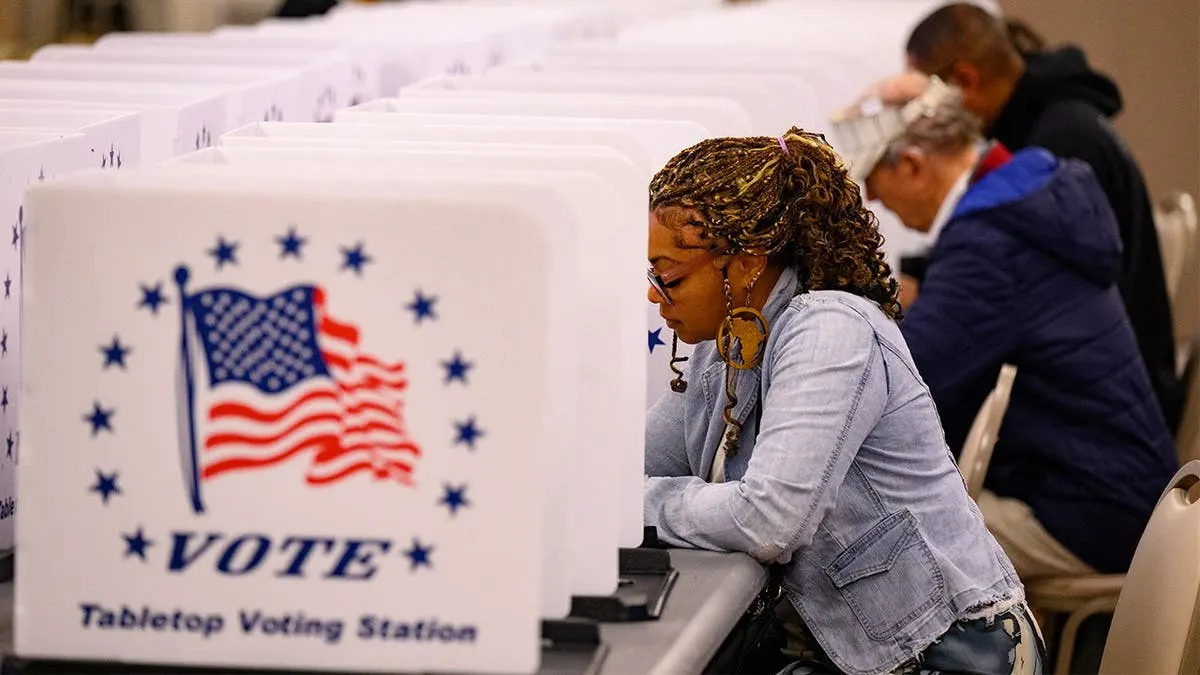
Republicans’ election losses were a verdict on their handling of everyday costs, argues the article, rather than evidence that voters have embraced bigger government or abandoned conservative principles. It says voters wanted relief on essentials such as food, fuel, housing and health care, and judged the party on whether they could see that relief in their finances.
The article cites a poll in which 60% of voters named the cost of living as their biggest economic concern, 74% viewed the economy negatively and 18% said their families were better off than two years earlier. It says Republicans retained an advantage on crime, border security and immigration, but health care was a particular weakness: voters trusted Democrats by 19 points, and more than half said Trump administration policies had worsened their health costs, compared with 10% who said costs had improved. The author urges Republicans to focus on practical measures such as price transparency, exposing middleman mark-ups and increasing competition, while using the president’s veto power to seek affordability provisions.
In short
- Voters judged Republicans on household costs.
- Health care was a major weakness.
- The author calls for practical affordability measures.
Steelman: both sides, in good faith
The strongest fair case each way — we don't pick a winner.
The case for
The election results and polling suggest that voters judge economic leadership by whether everyday costs feel manageable, and that Republican advantages on other issues cannot compensate for failing this test. Focusing on practical steps such as clearer prices, scrutiny of middleman mark-ups and stronger competition could address affordability while advancing conservative aims of market choice and accountability.
The case against
A party’s response to high costs need not mean adopting the article’s priorities or accepting its account of why voters turned away; economic pressures have many causes, and polling alone may not show which policies would help. Republicans could argue that durable affordability depends on broader measures such as growth, energy supply or limiting regulation, and that using presidential vetoes to extract provisions risks politicising policy without reliably lowering household bills.