Australian man jailed for 24 years after strangling uncle over abuse allegations
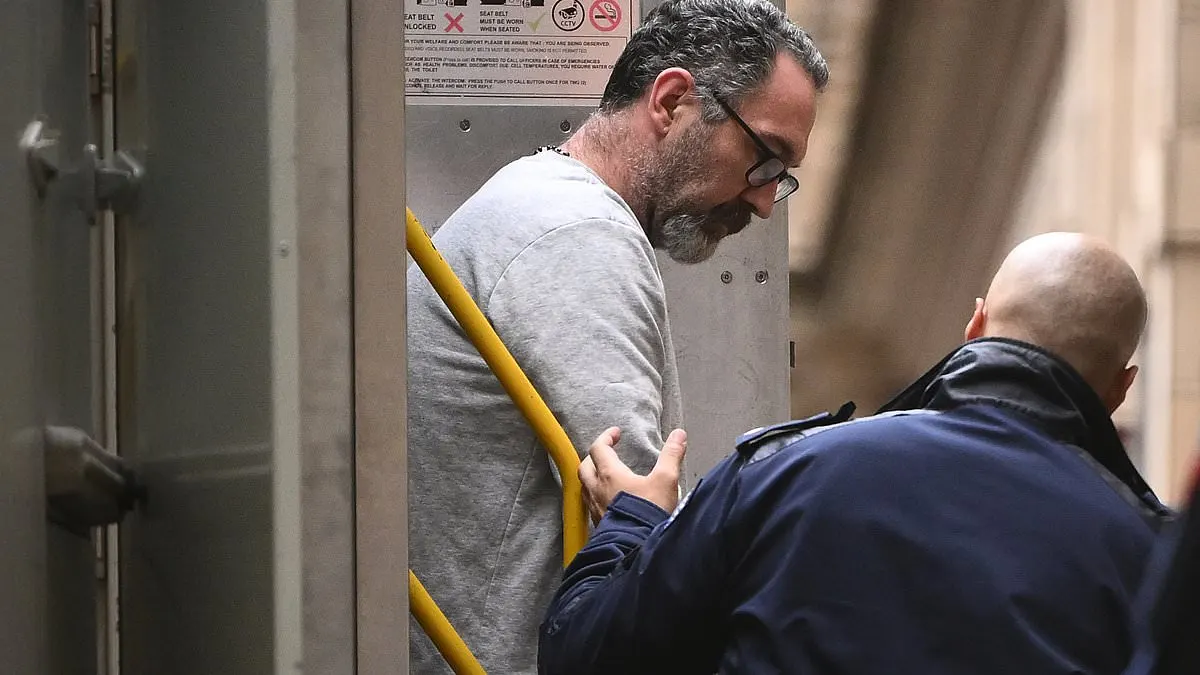
Jethro Curtis, 44, has been sentenced to 24 years in prison for strangling his uncle Stephen Curtis in their Maffra home on 18 January. Curtis attacked the 63-year-old after accusing him of sexual and physical abuse—allegations that remain unproven—and had warned Stephen's wife the previous day that the older man's "days were numbered." He repeatedly punched and kicked Stephen before fatally strangling him with a telephone cable. The case highlights the serious consequences when accusations of abuse become catalysts for violent action.
After the murder, Curtis stole $9,000 from Stephen's bank account and took his car to a car park before fleeing to Seaford, 205km away. The sentencing judge acknowledged Curtis's severe trauma history, complex post-traumatic stress disorder and cannabis dependence as mitigating factors, yet described the attack as brutal against a frail and defenceless victim suffering from Parkinson's disease. Curtis pleaded guilty at the earliest opportunity, which courts recognised as demonstrating remorse. He will be eligible for parole after serving 17 of his 24-year sentence.
- Man sentenced to 24 years for murdering uncle over unproven abuse allegations
- Attack described as brutal against frail victim with Parkinson's disease
- Offender had complex trauma history and will be eligible for parole after 17 years
New here? Start with this
Jethro Curtis killed his uncle Stephen Curtis in their home in Maffra, Australia in January this year. Curtis had accused Stephen of subjecting him to years of sexual and physical abuse, though these allegations have not been proven in court.
Curtis had warned his uncle's wife the day before that Stephen's "days were numbered," indicating he had formed a deliberate plan rather than acting on impulse. The case raises questions about how accusations of historical abuse, when not resolved through legal channels, can lead to violence.
Curtis has a documented history of severe trauma and complex post-traumatic stress disorder, alongside cannabis dependence. His uncle was 63 years old at the time of the attack, elderly and frail, suffering from Parkinson's disease.
Both sides, in good faith
The strongest fair case each way — we don't pick a winner.
The case for
Curtis endured severe trauma and complex PTSD that profoundly impaired his judgement, and his immediate guilty plea demonstrates genuine remorse and accountability. Sentencing philosophy that prioritises rehabilitation recognises that treating underlying mental illness is more likely to produce positive justice outcomes than lengthy incarceration. His violence, whilst inexcusable, should be understood within the context of severe psychological damage, and a more treatment-focused approach could better serve both Curtis's rehabilitation and broader aims of justice.
The case against
Curtis committed brutal, deliberate murder of a defenceless elderly man with Parkinson's disease, repeatedly punching and kicking before strangulation. Unproven abuse allegations cannot justify vigilante violence, and society must send a clear message through firm sentencing that extrajudicial killing has serious consequences. The severity of the crime against such a vulnerable victim demands substantial punishment, and public protection through deterrence must take precedence over rehabilitation considerations.
Read the full article at the source →
Originally published by Daily Mail as “Melbourne man jailed for 24 years for murdering uncle he accused of sexually abusing him”.