Meloni condemns ‘gangs of thugs’ after protests turned violent across Italy
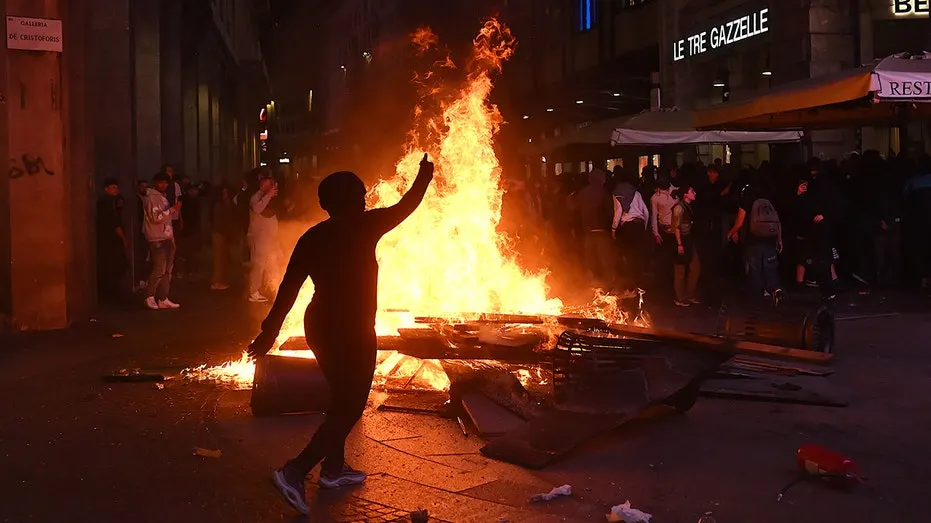
Protests held across Italy on Saturday turned violent in several cities, prompting Prime Minister Giorgia Meloni to condemn attacks and express support for police. The unrest has intensified political debate over how to distinguish the right to demonstrate from violence and damage to public spaces.
In Milan, 50 demonstrators, including minors, were detained and at least two officers were hurt; shops were looted and windows smashed near the cathedral. Reports also said 56 officers were injured in Bologna, while Turin saw about 100 officers hurt and around 30 arrests, according to the interior ministry. The marches were organised by CGIL, a major labour union, and Milan’s mayor said the protests’ aims were understandable but the violence was unjustifiable.
- Protests in several Italian cities turned violent.
- Meloni condemned attacks and backed law enforcement.
- Reports cited injuries, arrests and damage across cities.
Both sides, in good faith
The strongest fair case each way — we don't pick a winner.
The case for
The right to protest and organise collectively is essential, and the marches addressed concerns their organisers considered important. Authorities should distinguish peaceful demonstrators from those responsible for assaults or property damage, while protecting public spaces and people’s safety.
The case against
Violence, looting and attacks on officers can endanger people, damage local businesses and undermine the public’s ability to use city spaces safely. The state has a duty to protect residents and enforce the law, while holding those responsible for violence accountable.