Memory crunch: Cloud operators may be pushed to splurge 68% of capex on DRAM and NAND
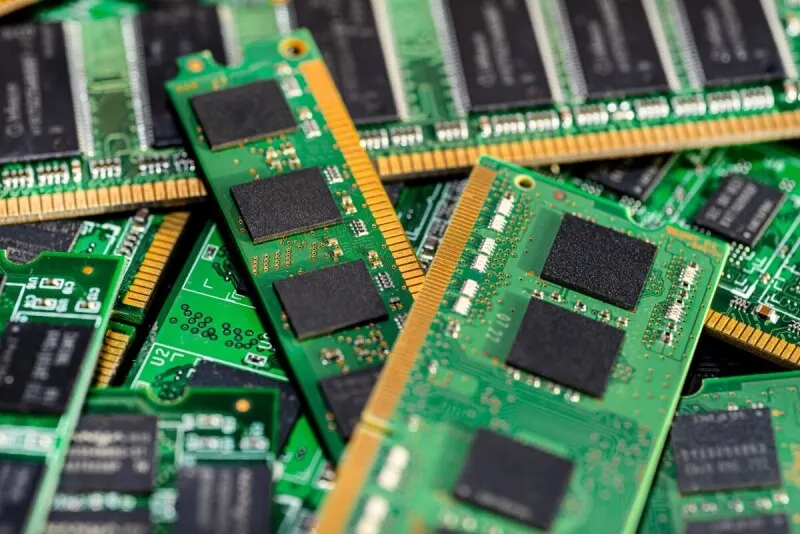
Cloud service providers could see DRAM and NAND flash memory swallow up to 68% of their hardware capital expenditure by 2027, according to Taiwan-based analyst TrendForce, as chip suppliers prioritise high-demand server memory over other production. This matters because the surging cost is unlikely to be absorbed by cloud operators and will likely be passed on to businesses and consumers through higher service charges, compounding price pressures already spreading across PCs and smartphones.
TrendForce forecasts total cloud operator capex will almost double this year, up 98%, before growing a further 50% in 2027, with memory's share of hardware spend rising from 47% this year to 68% next. It expects server DRAM prices to have climbed 270% year-on-year by the end of 2026 and enterprise SSD prices up 235% over the same period, driven by demand for HBM and RDIMM chips. The squeeze is already visible in double-digit PC price rises and a 5% drop in shipments, plus an expected 15% fall in smartphone shipments, while OVHcloud has said it may raise charges by up to 87% and Nvidia is reportedly poised to increase prices by 15% on some chip products.
- Memory chip costs could hit 68% of cloud capex by 2027
- Server DRAM prices forecast to jump 270% year-on-year by end-2026
- Costs likely to be passed to customers via higher cloud bills
New here? Start with this
Cloud providers run the data centres and computing services used by businesses, public bodies and consumers. Their hardware includes servers, which need DRAM to work with data quickly and NAND flash storage, often in solid-state drives, to keep data.
TrendForce is a Taiwan-based analyst that tracks the technology industry. It says chipmakers are giving priority to memory used in servers, including high-bandwidth memory and registered memory, as demand rises; this can leave less supply for other devices.
Memory is becoming a larger part of the cost of building and expanding cloud services. If providers face higher hardware bills, they may charge more for services, with possible effects for businesses and consumers who also rely on cloud computing, PCs and smartphones.
Both sides, in good faith
The strongest fair case each way — we don't pick a winner.
The case for
The concentration of memory costs to 68% of capex represents structural dysfunction rather than healthy market adjustment, driven by chip suppliers' pricing power and limited production expansion relative to demand. Cloud operators will pass these extraordinary cost increases directly to consumers—with reported potential hikes up to 87%—exacerbating visible market strain already evident in PC and smartphone declines. This situation risks stifling cloud adoption and innovation rather than simply reflecting natural equilibrium.
The case against
Rapidly rising memory prices reflect legitimate, extraordinary demand from the AI revolution and cloud expansion, which appropriately incentivises increased production investment and efficient resource allocation. Cloud operators retain considerable flexibility to optimise their spending and manage costs, whilst the market will self-correct as industry capacity expands. Price increases, though significant, are temporary and represent healthy scarcity signals rather than market failure warranting concern.