Memory shortage expected to persist as AI demand squeezes supply through 2028
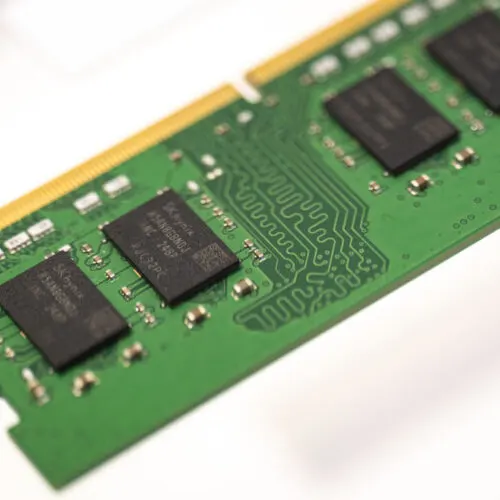
Memory chip executives have warned that the shortage will persist through 2028, with demand far exceeding available supply. Micron's CEO Sanjay Mehrotra told investors that demand for the company's memory will exceed available supply over the coming years, and Samsung executives have issued similar warnings. The shortage stems from artificial intelligence and data centre applications consuming manufacturing capacity needed for consumer devices.
Micron's 2027 memory output is already 75 per cent allocated, with prices significantly higher than 2026 levels. The company plans to open new manufacturing facilities in 2028, but production will ramp up gradually. Samsung estimates that high-bandwidth memory (HBM) will represent nearly 30 per cent of DRAM manufacturers' wafer capacity in 2027, compared with 20 per cent currently. Consumers are already experiencing higher prices for PCs, smartphones, gaming consoles and other devices.
- Memory shortage expected to continue until 2028 due to AI demand
- 2027 prices significantly higher; 75 per cent of Micron's output already allocated
- Consumer electronics prices rising as manufacturers prioritise data centres
New here? Start with this
Memory chips are electronic components that store data in computers, smartphones and other devices. Manufacturers currently cannot make enough of these chips to meet global demand, and this shortage is expected to continue until at least 2028. The shortage has been driven by artificial intelligence applications and data centre companies, which require vast amounts of memory to function and are consuming much of the world's chip manufacturing capacity.
The world's largest memory chip makers, including Micron and Samsung, have publicly warned that demand will continue to far outweigh what they can produce. Micron has stated that 75 per cent of its memory production for 2027 is already allocated to customers, well before the chips are even made. These companies plan to build new factories to increase capacity, but production increases will be gradual and take time.
The shortage is already affecting consumers directly through higher prices for everyday electronics. People buying computers, smartphones, gaming consoles and other devices are paying significantly more than they would have in previous years. This situation is likely to persist throughout the coming years as manufacturers work to expand their production capacity.
Read the full article at the source →
Originally published by Ars Technica as “Memory executives expect RAM shortage to continue through 2028”.