World news and discussion on TalkFuse.
Merz accused of ‘blackmail’ by Slovakian PM after demand for Ukraine aid in EU budget
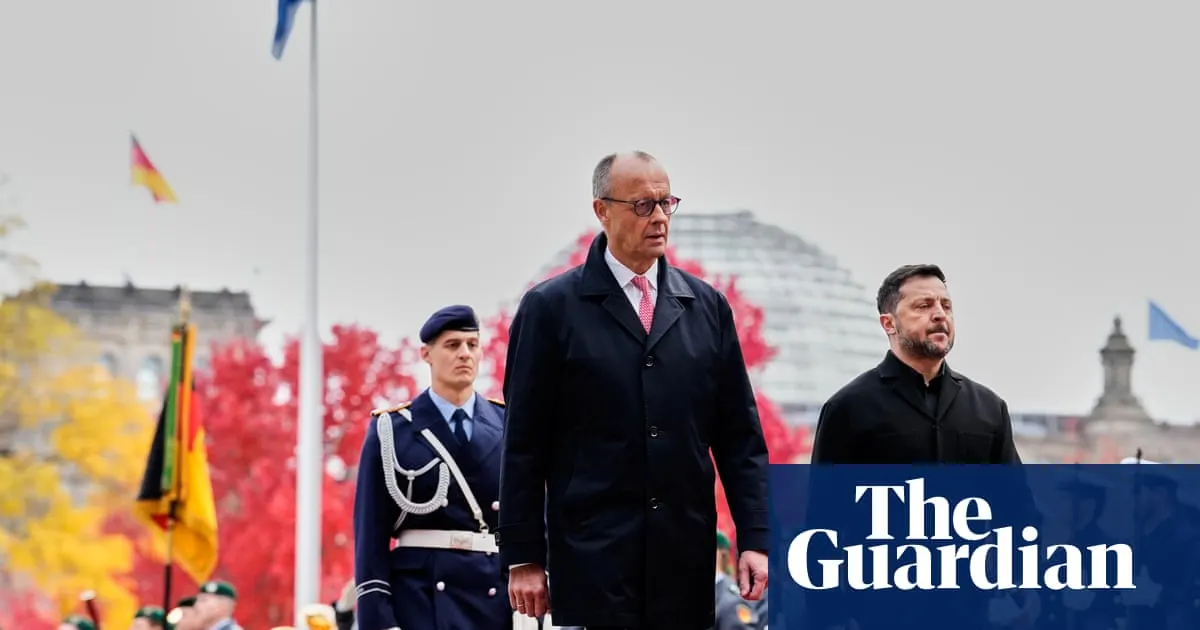
Friedrich Merz has threatened to block the EU’s next seven-year budget unless member states agree a deal to help fund Ukraine, arguing that a small number of countries carry too much of the burden. Slovakia’s Robert Fico called the demand “typical blackmail”, while Czech prime minister Andrej Babiš questioned Merz’s stance; both countries oppose joining the proposed new loan.
The EU had agreed a €90bn loan intended to cover about two-thirds of Ukraine’s military and civilian costs in 2026 and 2027. After Russia’s bombardment increased Kyiv’s expenses, Volodymyr Zelenskyy requested €70bn to cover a shortfall; the EU has pledged to find €45bn, with allies including the UK and Canada expected to provide the remainder. Hungary, Slovakia, Czechia and Bulgaria have signalled they will not take part in the next round, as negotiations continue over the 2028–34 EU budget.
In short
- Merz links agreement on Ukraine aid to approval of the EU’s next budget.
- Fico calls the demand “typical blackmail”.
- The EU has pledged €45bn towards Ukraine’s requested €70bn shortfall.
Steelman: both sides, in good faith
The strongest fair case each way — we don't pick a winner.
The case for
Merz’s position can be seen as an effort to ensure Ukraine receives predictable support while sharing the cost more fairly among EU members. Linking the aid to budget negotiations may be justified as a way to secure commitments when voluntary contributions leave a funding gap and Russia’s attacks increase Ukraine’s needs.
The case against
Fico and other critics can argue that using the long-term EU budget as leverage over a separate loan proposal pressures member states to accept a policy they oppose. They may also question whether the proposed loan and burden-sharing arrangements are fair, and argue that EU decisions should reflect agreement among members rather than pressure through budget negotiations.