Health news and discussion on TalkFuse.
Met chief reveals eight police forces carried out no ‘critical’ undercover work needed to tackle paedophiles and drug dealers in the past 12 months
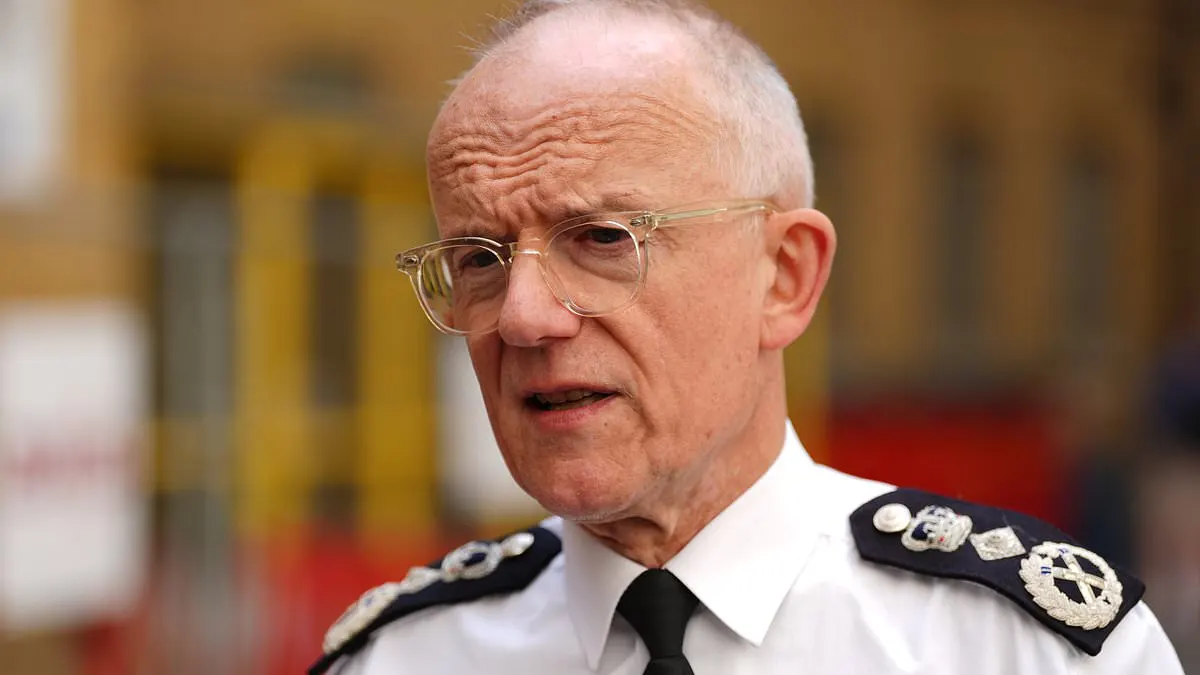
Eight police forces in England and Wales carried out no undercover investigations in the past year, prompting concern from Metropolitan Police Commissioner Sir Mark Rowley that some forces could lose the ability to use covert tactics. He said undercover officers are important for tackling crimes including child sexual abuse and drug dealing, and questioned whether the capability is available wherever it is needed.
Rowley did not identify the eight forces among England and Wales’s 43 constabularies. He and other police chiefs support reforms that would create a National Police Service for the most serious and complex crime, alongside up to ten larger regional forces and local policing commands. The reforms are estimated to cost about £2 billion; Home Secretary Shabana Mahmood has said a national service could save £350 million for frontline policing.
In short
- Eight forces carried out no undercover investigations last year.
- Rowley warned covert policing skills could be lost.
- Proposed reforms include a national service and larger regional forces.
Steelman: both sides, in good faith
The strongest fair case each way — we don't pick a winner.
The case for
The absence of undercover investigations in eight forces may point to a loss of specialist skills and capacity, rather than a lack of demand. A national service and larger regional forces could pool expertise, help ensure covert tactics are available where serious crimes require them, and reduce duplication across forces.
The case against
A force carrying out no undercover investigations in a year does not by itself show that it lacks the capability: such operations are resource-intensive and may be unnecessary or unsuitable in a particular area or period. Reorganising policing would cost an estimated £2 billion, so the proposed national and regional structures should be weighed against their claimed savings and the risk that centralisation could weaken local accountability or divert resources from frontline work.
Explained simply
Undercover policing uses officers who conceal their identity to gather evidence about suspected crime. It can be used in investigations such as child sexual abuse and drug dealing, but requires specialist training and oversight.
Police forces in England and Wales are responsible for policing their own areas, while also working together on serious or complex cases. Sir Mark Rowley leads the Metropolitan Police, and Shabana Mahmood is the Home Secretary, responsible for government policy on policing.
Proposals backed by some police chiefs would reorganise forces into a national service for the most serious crime, larger regional forces and local commands. The plans raise questions about how specialist skills would be maintained and shared, and how the cost of restructuring would be balanced against potential savings.