World news and discussion on TalkFuse.
Meta Bans TikTok Ads Across Seven Countries in Escalating Platform War
Developed over time first seen 2 months ago
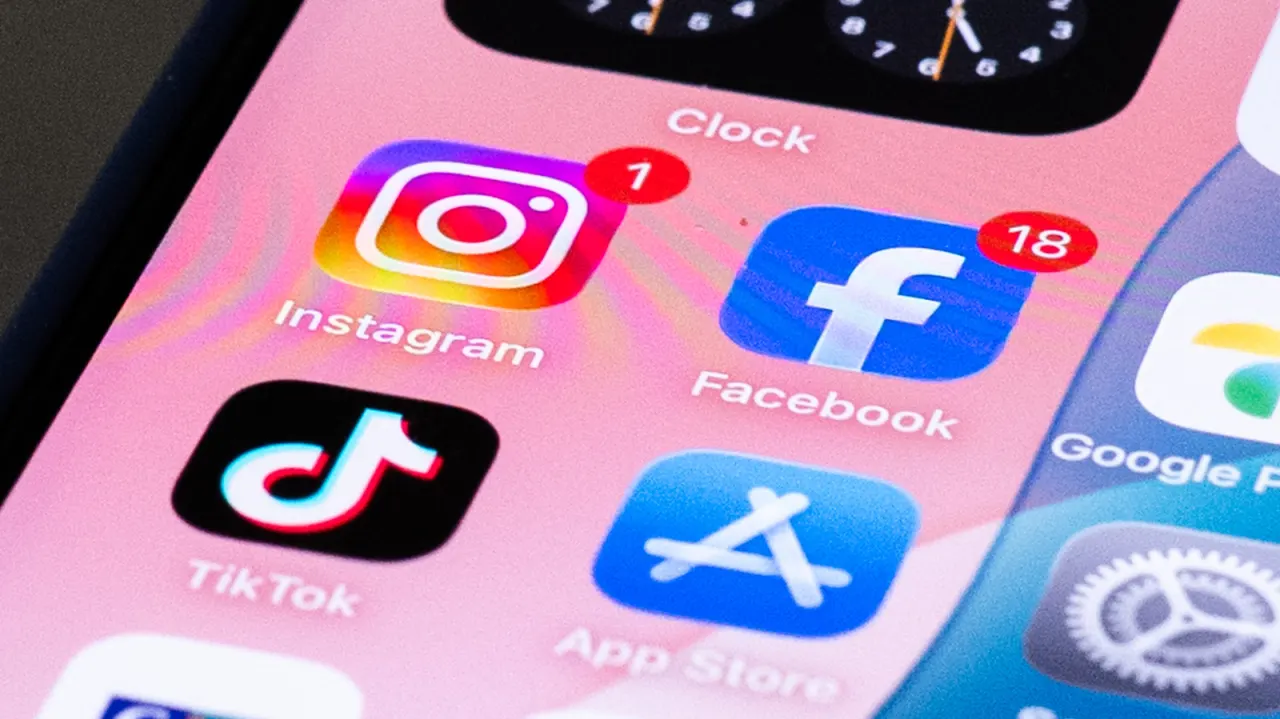
Meta has banned advertisements from TikTok's parent company, ByteDance, across seven countries including the US, escalating the competitive rivalry between major social media platforms. The policy is significant because it blocks not only direct ByteDance ads but also third-party advertisements linking to TikTok, eliminating a key route for the platform to attract new users through Meta's services.
The ban took effect across the US, Canada, Egypt, Indonesia, Japan, Thailand and Vietnam. Meta characterised the decision as standard business practice, with a company spokesperson stating it "doesn't have to run ads from a competitor whose goal is to pull people off our apps." The move reflects mounting tensions between the platforms, including TikTok's own restrictions on links to other social media applications, and occurs amid broader child safety debates following Meta's $17 billion settlement.
- Sources
- 2
- Outlets
- 2
- Left · Centre · Right
- 0 · 0 · 0
In short
- Meta bans ByteDance ads across seven countries to reduce competition.
- Policy blocks both direct TikTok ads and ads linking to TikTok.
- Move reflects escalating platform rivalry amid child safety disputes.
How this story developed
- 2 months ago Meta has begun blocking ads from TikTok’s parent company, ByteDance, in seven countries, escalating competition between the social media firms.
- 2 months ago Meta has blocked TikTok and its parent company ByteDance from running paid advertisements and promotional campaigns across its platforms in seven countries, including the United States and Canada.
- 2 months ago Meta has banned advertisements from TikTok's parent company, ByteDance, across seven countries including the US, escalating the competitive rivalry between major social media platforms.
Full account
Meta has implemented a comprehensive advertising embargo against TikTok and its parent organisation ByteDance, effective immediately across a significant geographical footprint. The prohibition applies to direct promotions from both entities alongside third-party marketing campaigns designed to funnel users towards the Chinese-founded platform. Seven nations are covered: the United States, Canada, Egypt, Indonesia, Japan, Thailand and Vietnam. Meta characterised the decision as standard competitive practice, with a company representative stating that the organisation need not distribute advertising space to rivals actively attempting to redirect its user base.
This escalation transpires amid intensifying regulatory scrutiny of how social media platforms protect younger users. Meta itself faced substantial penalties earlier this year, necessitating financial concessions and implementation of stringent teen protections. Subsequently, the company has sought to establish an industry standard by publicly urging competitors—particularly TikTok and YouTube—to adopt equivalent safeguards. Meta has pursued this agenda through advertising campaigns and engagement with government bodies, contending that uniform protective standards are essential.
TikTok's response has included restricting users' ability to embed links to other social platforms, creating a barrier to cross-platform traffic migration, though the company has offered limited public commentary on Meta's broader criticism. The platform's corporate structure has undergone significant changes, with a newly-formed venture majority-held by American entities now controlling US operations, though ByteDance retains material minority ownership of the restructured entity.
Meta's justification emphasises business convention rather than regulatory or safety considerations. The company asserts that competing on product quality and user experience, rather than purchasing advertising placement for competitors, represents the appropriate competitive approach in digital markets. The embargo encompasses all promotional activities benefiting TikTok across the seven designated markets, from direct paid advertisements to associated marketing initiatives by third parties.
Where outlets differ
From the full account, which is AI-written from the sources:
Settlement amount: Source 1 reports $18 billion; Source 2 reports $17 billion
Ownership framing: Source 1 highlights the new US/UAE investor consortium including Larry Ellison's Oracle; Source 2 emphasises ByteDance's continued major shareholding position
Campaign response: Source 1 describes Meta's newspaper advertising alongside TikTok's absence from government meetings; Source 2 indicates TikTok declined to promote Meta's ad campaign on its platform
Steelman: both sides, in good faith
The strongest fair case each way — we don't pick a winner.
The case for
Meta could reasonably contend that, as a private company, it has the fundamental right to determine which advertisers and services it promotes on its platforms. TikTok itself restricted links to Meta's services, making Meta's reciprocal advertising ban a justified commercial response. Meta argues this represents standard competitive practice—major corporations routinely decline to advertise their rivals' products—and asserts it has no obligation to facilitate the growth of a direct competitor actively diverting its users and revenue.
The case against
Critics argue that Meta's ban constitutes an anticompetitive abuse of market dominance that differs fundamentally from TikTok's link restrictions. By blocking TikTok's ability to advertise on crucial digital infrastructure, Meta leverages overwhelming market power in ways that smaller rivals cannot reciprocate. Reasonable observers contend that companies with substantial market dominance bear responsibility not to weaponise their platforms to exclude competitors, particularly where power imbalances make genuine competition structurally difficult.
Explained simply
Meta and TikTok are two of the world's largest social media platforms locked in an escalating commercial dispute. Meta owns Facebook and Instagram, whilst TikTok is a short-video app owned by Chinese company ByteDance. Both compete fiercely for user attention and advertising revenue.
The conflict has intensified through tit-for-tat restrictions. TikTok has restricted links to Meta's platforms on its own service, and Meta has now responded by banning TikTok advertisements across its platforms in seven countries, including the United States and Canada. Each company is blocking the other from reaching potential customers.
Meta argues this is standard business practice, saying it has no obligation to promote a direct competitor that takes users away from its own services. The dispute also occurs within a broader conversation about child safety on social media, which has drawn regulatory attention and added pressure on both companies beyond their commercial rivalry.
Coverage · 2 sources
Americas Art Business Companies Culture Trending Weird & Viral World