Culture news and discussion on TalkFuse.
Metallica’s “Black Album” Took Them from Metal Heroes to Multiplatinum Rock Giants
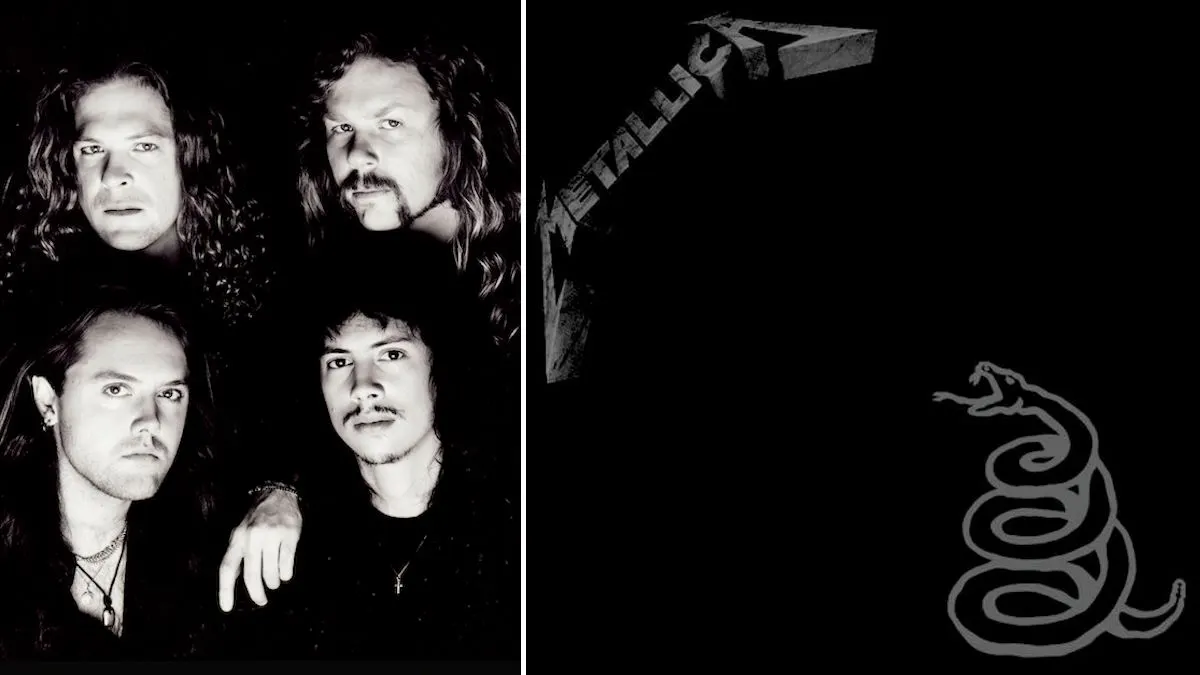
Metallica’s self-titled 1991 album, widely known as the “Black Album”, transformed the band from leading thrash-metal figures into international rock superstars. Its more accessible, groove-focused sound won millions of new listeners, although some longstanding fans criticised the move towards the mainstream.
The album followed the success of 1988’s …And Justice for All, which reached No. 6 on the Billboard 200 and helped establish Metallica as arena headliners. Seeking to better capture their live energy, James Hetfield, Kirk Hammett, Jason Newsted and Lars Ulrich hired producer Bob Rock after admiring his work with The Cult and Mötley Crüe.
In short
- The “Black Album” made Metallica global rock stars.
- Its mainstream sound divided parts of the thrash audience.
- Bob Rock helped pursue a livelier, groove-driven production.
Steelman: both sides, in good faith
The strongest fair case each way — we don't pick a winner.
The case for
The album represented a natural artistic evolution that allowed Metallica to reach millions of new listeners and sustain a thriving touring career without abandoning their essential heaviness. Their shift towards groove-based songwriting was a deliberate creative choice to capture their live energy more effectively, and the album's massive success demonstrated that rock music could be both commercially substantial and artistically respectable.
The case against
By adopting a radio-friendly, groove-oriented sound that prioritised mainstream appeal over the technical precision and uncompromising approach that defined thrash metal, Metallica abandoned the artistic principles that earned their dedicated fanbase and set a troubling precedent that commercial success required abandoning genre integrity rather than evolving within it.
Explained simply
Metallica are an American band formed in 1981, known early on for thrash metal: fast, forceful music with complex guitar parts. By the late 1980s, James Hetfield, Lars Ulrich, Kirk Hammett and Jason Newsted had built a large following, and their 1988 album helped them reach arena audiences.
For their next album, the band worked with producer Bob Rock, whose previous records included albums by The Cult and Mötley Crüe. The 1991 record, titled Metallica and often called the “Black Album” because of its cover, used a more direct sound and brought the band to a much wider audience. Its success raised questions among some longtime listeners about how far a metal band could move towards mainstream rock while retaining its identity.
Art Cricket Culture Entertainment Music Sport