Technology news and discussion on TalkFuse.
Meta’s chief AI officer issues warning after Claude solves legendary math problem: ‘Implications are enormous’
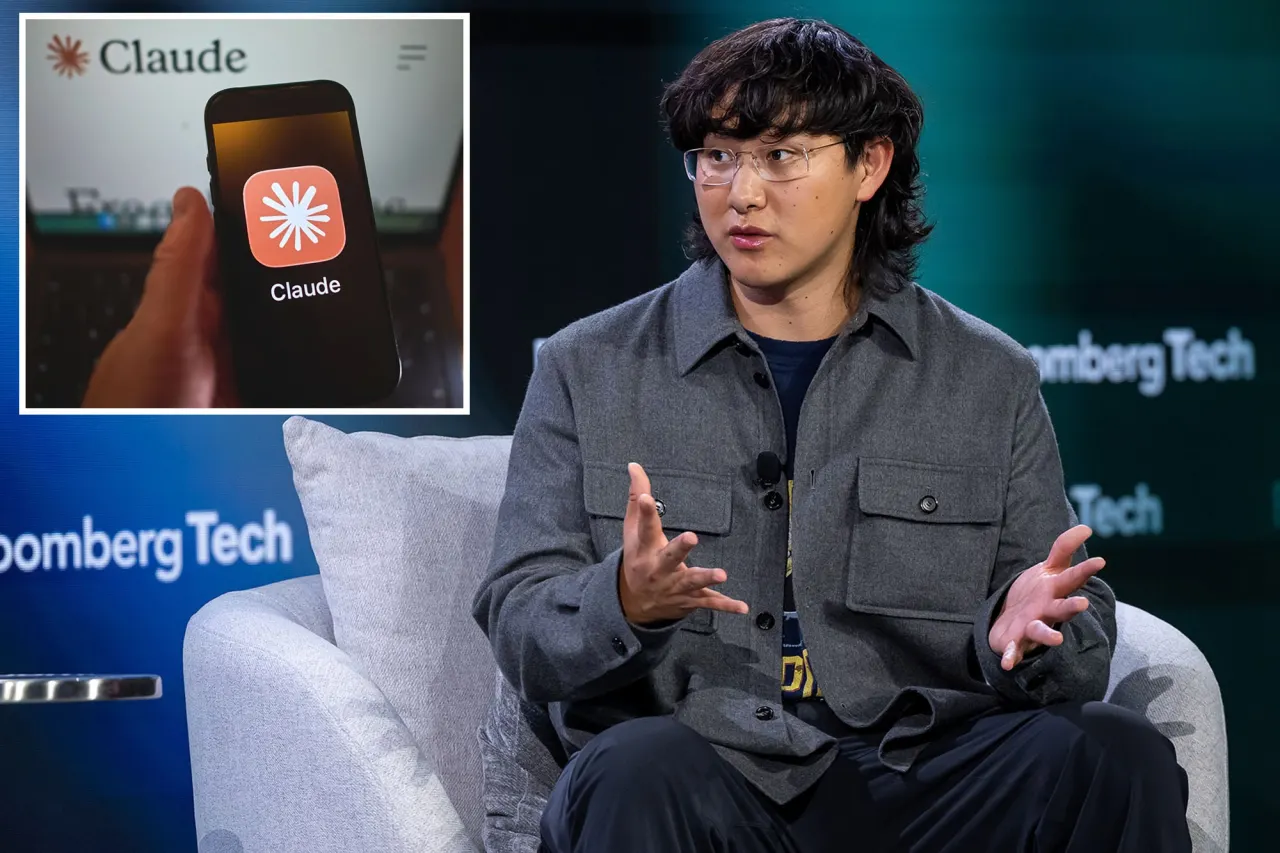
Anthropic mathematician Levent Alpöge says Claude helped prove the Riemann hypothesis, a famous mathematical problem that had resisted proof for more than 150 years. Meta’s chief AI officer, Alexandr Wang, called the breakthrough a sign of rapid progress towards superintelligent AI and warned that its effects could outpace humanity’s ability to understand or monitor them.
Research groups have certified the proof, although the Clay Mathematics Institute still lists the hypothesis as unsolved. The proof is currently 17 million lines of computer code; a written version would exceed 250,000 pages. Wang linked the progress to AI’s recent advances in mathematical reasoning and called for careful development, including directing computing resources towards serving people rather than AI self-improvement.
In short
- Claude reportedly helped prove the 150-year-old Riemann hypothesis.
- The proof is 17 million lines of code.
- Meta’s AI chief warns progress could outpace human oversight.
Steelman: both sides, in good faith
The strongest fair case each way — we don't pick a winner.
The case for
If Claude has helped establish a proof of the Riemann hypothesis, that would show AI can contribute to work at the frontier of human knowledge, with potentially wide benefits for science and society. Wang’s warning reflects a reasonable concern that such capabilities could advance faster than people can understand or govern them, making careful oversight and choices about how computing power is used important.
The case against
The proof’s extraordinary length and the Clay Mathematics Institute’s continued listing of the problem as unsolved counsel caution before treating this as a confirmed mathematical breakthrough or evidence of imminent superintelligence. AI progress may be significant without outrunning human oversight, and warnings about loss of control should be weighed against the possibility that transparent verification, expert review and existing governance can manage emerging risks.