Video games news, releases, esports and culture — all the biggest gaming stories in one place.
Meta’s New VR Glasses to Entice Casual Viewers With 3D and Full-Frame IMAX
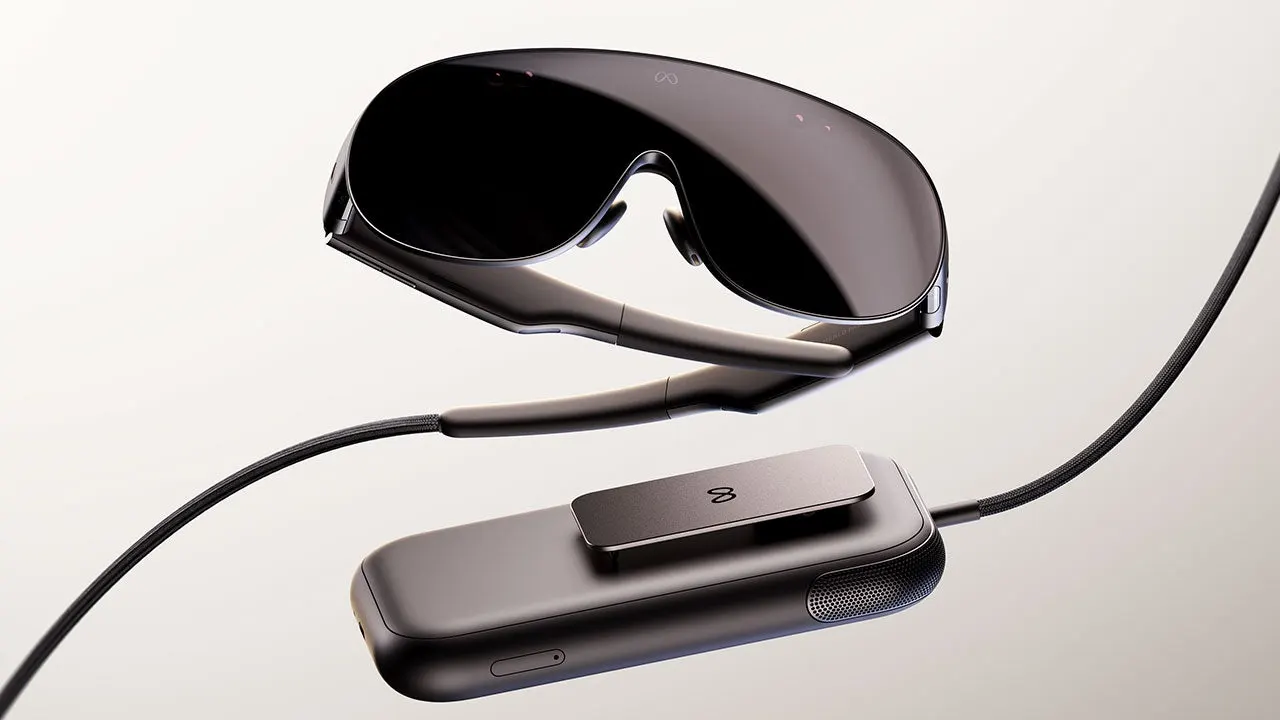
Meta has unveiled entertainment-focused VR glasses designed to make immersive viewing more appealing to people who have avoided bulky headsets. Due to arrive in spring, the lighter device resembles dark glasses and is intended primarily for watching films and television, offering 3D and full-frame IMAX-style viewing in a more discreet form.
The glasses weigh about 100 grams, compared with roughly 500–600 grams for Meta Quest headsets, but connect to a pocket-sized computing and battery unit that provides around three hours of playback. They use gesture controls instead of handheld controllers, eye-tracking for navigation, and a 5K micro-OLED display with Dolby Vision; early testing nevertheless found visual noise, flickering under some lighting and uncertainty over prescription-lens support.
In short
- Meta is targeting casual viewers with slimmer, entertainment-focused VR glasses.
- The device weighs about 100 grams and lasts roughly three hours.
- Eye tracking, gestures, 5K micro-OLED and Dolby Vision support viewing.
Steelman: both sides, in good faith
The strongest fair case each way — we don't pick a winner.
The case for
A lighter, more discreet device could make high-quality immersive films and television accessible to people put off by bulky headsets, while 3D and a large virtual screen offer a distinct way to enjoy existing entertainment. Gesture controls and eye tracking may also make viewing simpler, and a separate battery unit could help keep the glasses comfortable to wear.
The case against
The glasses still depend on a tethered computing and battery unit with only around three hours of playback, which may limit convenience for casual viewing. Reported visual noise and flickering, along with uncertainty over prescription-lens support, raise practical concerns; the device’s appeal will also depend on whether viewers value immersive features enough to adopt another specialised screen.
Explained simply
Virtual reality uses a headset to place digital images around the wearer, creating the impression of being inside a film or game. Many people have found existing headsets heavy and awkward, while others use them mainly for games or social experiences.
Meta is the technology company behind the Quest range of VR headsets, which typically use handheld controllers and include their own computing hardware. Its newer entertainment devices are designed chiefly for watching films and television, with a separate unit providing power and processing.
The wider question is whether a lighter, glasses-like design can make private, immersive viewing practical for more people. The experience also depends on picture quality, comfort, battery life and whether viewers who wear prescription glasses can use the device.