Technology news and discussion on TalkFuse.
Meta’s Quest 2 and Quest Pro reach ‘end of feature development’
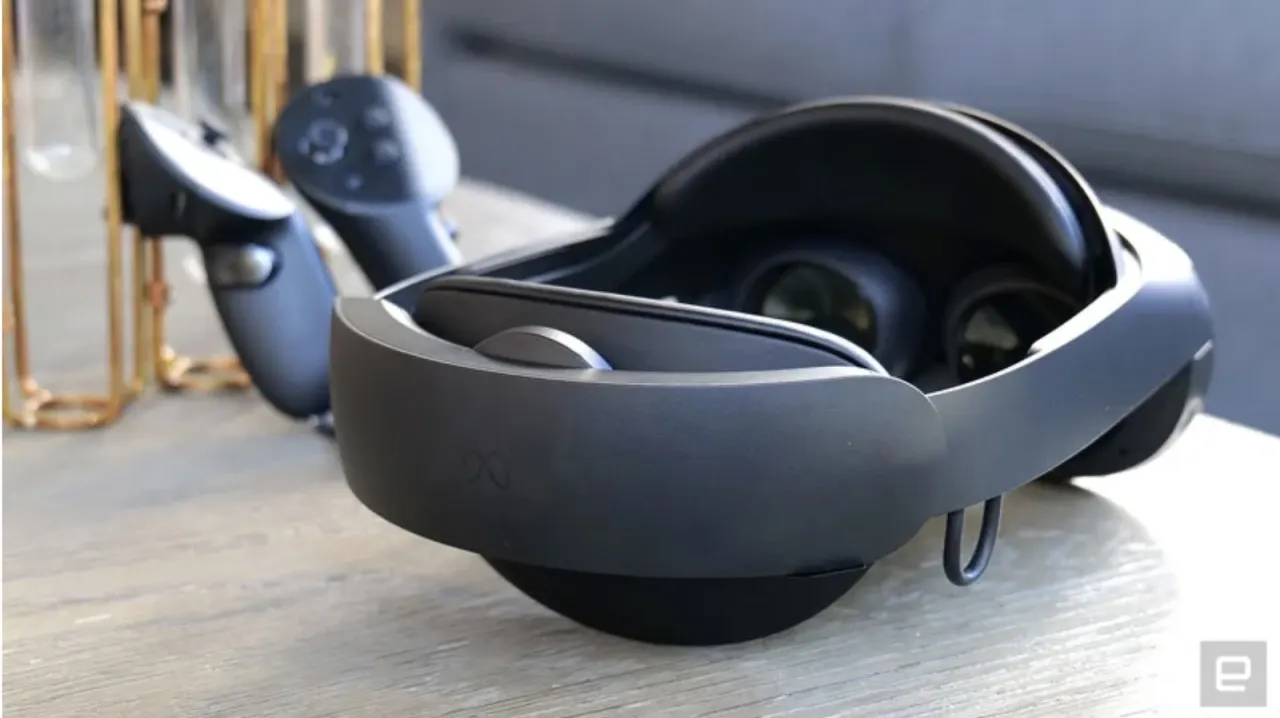
Meta is ending feature development for the Quest 2 and Quest Pro, with final operating system updates planned for March 2027. The decision marks the end of major software development for the older headsets, though key services will continue.
Meta will provide security patches and bug fixes through the end of 2027, and developers can submit new apps until December that year. Users will still be able to buy apps and play across Quest 2 or Quest Pro and Quest 3 or Quest 3S; millions of people still use the headsets, released in 2020 and 2022.
In short
- Final operating system updates arrive in March 2027.
- Security fixes continue through the end of 2027.
- App purchases and cross-play will remain available.
Steelman: both sides, in good faith
The strongest fair case each way — we don't pick a winner.
The case for
Ending feature development lets Meta focus engineering and support resources on newer headsets, where updates can serve current hardware and users. Continuing security patches, bug fixes and app access through 2027 gives existing owners time to keep using their devices while the platform moves forward.
The case against
Millions of people still use these headsets, and ending major updates may leave them without newer features despite their continued value to owners. Even with security patches and app access continuing, the decision could shorten the devices’ useful life and make customers wary of investing in future headsets.
Explained simply
Meta makes Quest virtual reality headsets and runs the software and app store they use. The Quest 2, released in 2020, and Quest Pro, released in 2022, are earlier models than the Quest 3 and Quest 3S.
Ending feature development means the older headsets are no longer expected to receive major new functions or operating system changes. Meta has said security patches and bug fixes will continue through 2027, and developers can submit apps until December that year.
The change affects people who still use these headsets, as well as developers making software for them. Users will still be able to buy apps and play with people using newer Quest models, so the headsets’ services will continue for now.