Metro 2039 Reforged by War: Ukrainian Developer Creates Series’ Darkest Chapter
Developed over time first seen 2 months ago
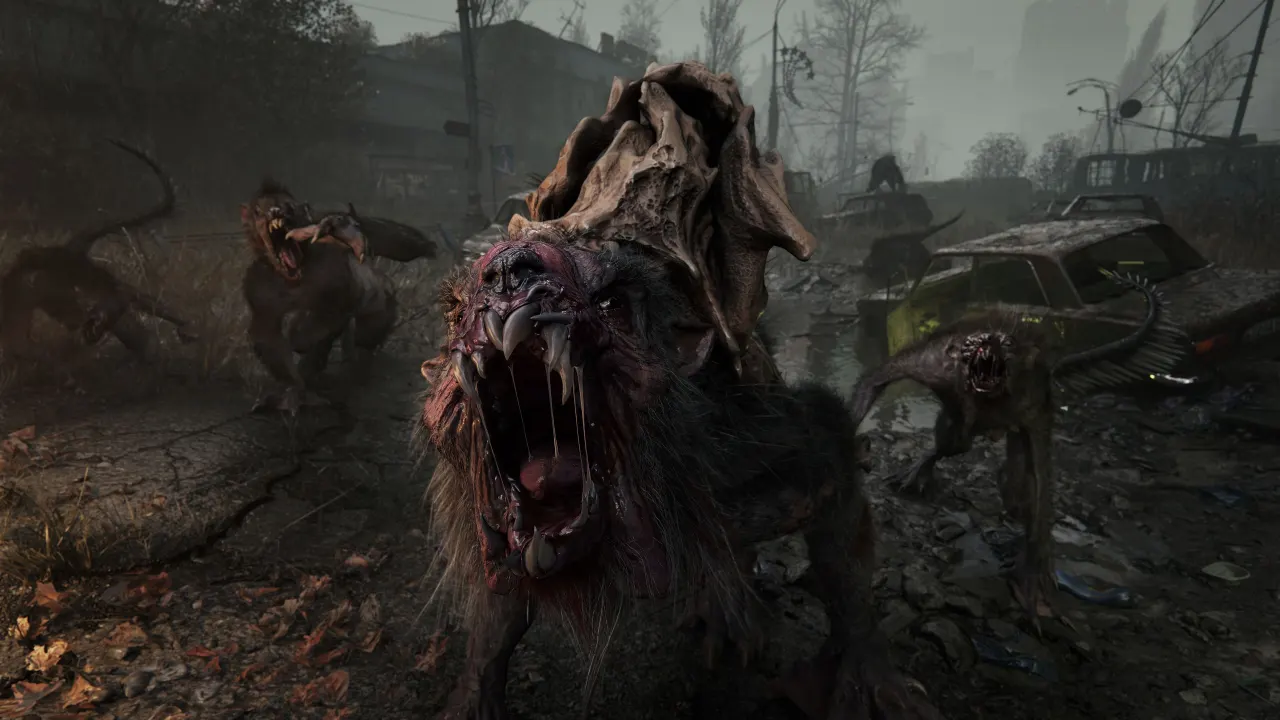
Ukrainian studio 4A Games has substantially reworked Metro 2039 following Russia's February 2022 invasion of Ukraine, resulting in what the developer describes as the darkest instalment in the franchise's history. Executive producer Jon Bloch has said the team's direct experience of the war forced them to abandon their original vision and rebuild the narrative from scratch, shifting the series away from exploring war's moral ambiguities in abstract, hypothetical terms towards a more direct engagement with its real consequences. The overhaul is notable because it marks a significant creative departure for a long-running series, with the story now shaped by the lived experience of developers working through an active conflict.
The reimagined game returns players to the subterranean tunnels of Moscow, the setting of the original Metro titles, while incorporating mechanical and atmospheric elements drawn from across the wider franchise, including features associated with Metro Exodus. Limited detail has emerged beyond these creative and tonal shifts, with 4A Games framing the changes primarily around narrative tone and the emotional weight of the setting rather than new gameplay specifics.
- 4A Games reworked Metro 2039 after Russia's invasion of Ukraine
- Team says direct war experience made it the series' darkest entry
- Game returns to Moscow's tunnels, blending elements from across the franchise
New here? Start with this
Ukraine's Metro book and game series has long imagined a post-apocalyptic Moscow where survivors shelter in the city's underground tunnels after a nuclear war, using the setting to explore themes of survival, prejudice and the morality of conflict. Metro 2039 is the next instalment, being made by 4A Games, a studio with Ukrainian roots that has previously produced Metro 2033 and Metro Exodus.
Russia's full-scale invasion of Ukraine began in February 2022, and many of the game's developers have since lived through the war directly. According to the studio, this experience led them to scrap earlier plans for the game and rewrite its story, moving away from treating war as a distant, hypothetical backdrop and towards portraying its consequences more directly.
The story matters because it illustrates how a real conflict can reshape a major creative work made by people directly affected by it, in an industry where game narratives are usually developed at a remove from the events they depict. Key details, including the plot and release date, have not yet been made public, though early gameplay footage has started to circulate.
Full account
4A Games, the Ukrainian studio behind the Metro series, is preparing to release Metro 2039, the next entry in the post-apocalyptic saga that began with Metro 2033 in 2010 and continued through Metro Exodus in 2019. Published by Deep Silver and based on the novels of Dmitry Glukhovsky, the new title is slated for release in February 2027. Unlike Exodus, which ended on a note of cautious optimism, Metro 2039 is shaping up to be the bleakest chapter yet, a shift the developers attribute directly to Russia's full-scale invasion of Ukraine, which began in February 2022 and has continued ever since.
That invasion has not been a distant backdrop for 4A Games but a daily reality. Much of the studio's work is carried out amid power cuts, air-raid warnings and the threat of drone strikes, with staff unsure from one day to the next whether they will be able to reach loved ones or return home safely. Executive producer Jon Bloch has described how the team effectively tore up its original plans once the war began, rebuilding the story almost from scratch so that it could reflect what the team and the wider country were living through, rather than continuing with ideas conceived before 2022.
The tonal shift is most evident in how the game handles morality. Bloch has explained that earlier Metro titles were built around the idea of preventing conflict, encouraging players to weigh events in shades of grey and decide for themselves what was right or wrong. With the studio now four and a half years into living under war, he says that ambiguity no longer felt honest; a story about authoritarian rule taking hold, he argues, allows for less doubt about where the evil lies. Creative director Andriy Shevchenko has summed up the result as 'a game without heroes,' set in a world where altruism has largely given way to self-interest. The new protagonist, known only as the Stranger, is depicted as acting from personal motive rather than nobility, and is voiced for the first time in a mainline Metro game, drawn back into Moscow's tunnels to confront a newly unified, totalitarian faction called the Novoreich, led by a returning antagonist known as Hunter.
Coverage of the game varies in focus. One outlet's preview centres on hands-on time with an in-progress demo, describing a tense early scene in which the Stranger negotiates with a rival faction inside a cramped underground office before setting out into the tunnels, alongside glimpses of ordinary survivors that flesh out the game's grim atmosphere. Another account leans more heavily on direct interview material with Bloch, using his own words to explain the deliberate move away from moral ambiguity and to detail the Novoreich regime and its leadership. A third report, focused on the return to a Moscow setting and echoes of Exodus-style design, was largely unavailable in substantive form, consisting mainly of site navigation and membership prompts rather than reporting, which limits direct comparison with the other two accounts.
Where outlets differ
One outlet emphasises hands-on demo impressions, describing specific early scenes played by its journalist, while another relies primarily on direct quotes from executive producer Jon Bloch to explain the narrative rationale.
The interview-led account goes into more detail on the antagonist faction (the Novoreich) and its leader Hunter, a returning series character, which the demo-focused account does not dwell on.
The third source's actual editorial content on the game could not be assessed, as the retrieved text consisted almost entirely of site membership and navigation boilerplate rather than reporting, so its stated angle (a Moscow setting blended with open-world elements from Exodus) is based only on its headline.
Coverage
- Polygon — Metro 2039 Dev Reveals How the Ukraine War Led to the Series’ Darkest Game Yet
- Eurogamer — Metro 2039 is a game about war that actually has something to say
- PC Gamer — Metro 2039 takes us back to Moscow, but it’s still got some delicious bits of Exodus in there
Americas Entertainment Europe Horror Software Space Technology TV World