World news and discussion on TalkFuse.
Mexican President Blasts DEA, Says New Narcoterrorism Hotline Is ‘Interference’ In Her Country’s Affairs
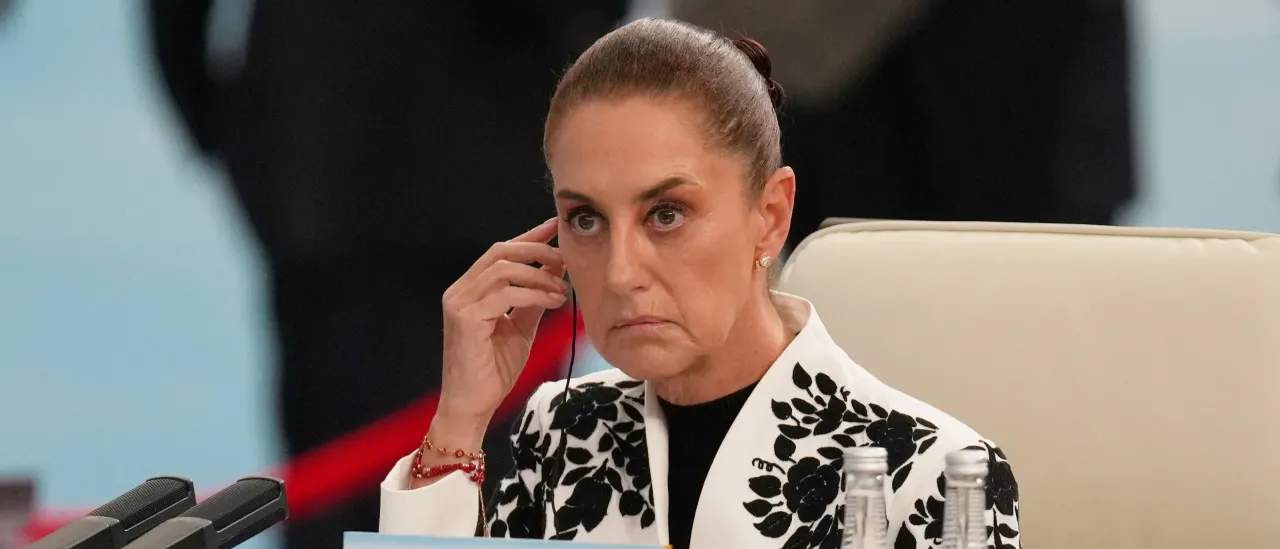
Mexican President Claudia Sheinbaum has criticised the US Drug Enforcement Administration (DEA) for "interference" after it launched an anonymous tip line for information on members and associates of foreign terrorist organisations, corrupt officials, and those laundering money to finance narcoterrorism. Sheinbaum said the DEA should first investigate corruption in the United States linked to organised crime. Her remarks, reported by the Associated Press, followed DEA Administrator Terry Cole's announcement of the line on Wednesday.
Some Mexican politicians welcomed the line, and Senator Lilly Téllez urged Sheinbaum not to obstruct it. Sinaloa Journalists Association president Juan Manuel Partida Valdez said he had contacted the DEA's WhatsApp line about Mexican politicians involved in drug trafficking. Sinaloa has been caught in a conflict between the Los Chapitos and Los Mayos factions since September 2024, and the US designates both as foreign terrorist organisations. The DEA reported 52,385 fentanyl overdose deaths in the US between October 2024 and October 2025, and neither the agency nor the Mexican embassy immediately responded to requests for comment.
In short
- Mexico's president says a new DEA tip line interferes in its affairs.
- Anonymous line targets cartel members, corrupt officials and money launderers.
- Some Mexican lawmakers back the tip line; DEA and embassy yet to respond.
Steelman: both sides, in good faith
The strongest fair case each way — we don't pick a winner.
The case for
Supporters of the DEA's tip line argue that cartels operating across the border have made narcoterrorism a shared security threat that no single government can contain alone. From this view, anonymous reporting channels lower the barriers for citizens, journalists and officials who hold information about corruption, and they can help identify complicit individuals whom domestic institutions have failed to act against. Many of them would add that the scale of fentanyl deaths in the United States justifies urgent cooperation and that the line is a voluntary tool, not an enforcement action on Mexican soil.
The case against
Critics, including Sheinbaum, contend that an unilateral US solicitation of tips about Mexican officials infringes on national sovereignty, especially when the agency has not first addressed corruption and money laundering within its own borders. They argue that anonymous accusations can damage reputations and investigations without verification, and that such a channel could be used for political targeting or to pressure Mexican institutions. From this perspective, durable cooperation depends on formal, accountable mechanisms negotiated between governments, with mutual respect for each country's legal processes.
Americas Government Politics World