MI5 chief warns Britain faces greater danger now than on 9/11
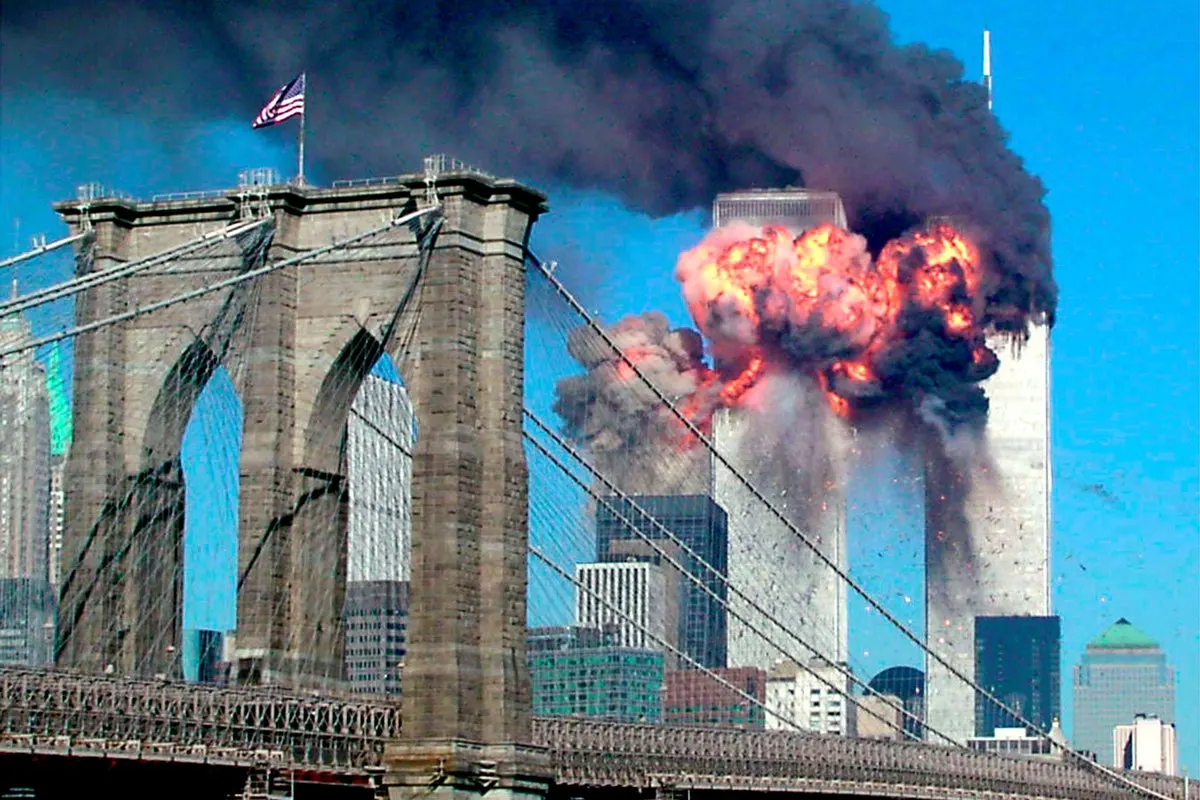
Sir Ken McCallum, the head of MI5, has used an exclusive op-ed for The Independent marking the 25th anniversary of 9/11 to warn that Britain now faces a more dangerous and complex threat landscape than it did in 2001. He argues that alongside the enduring menace of Islamist terrorism, the UK must now also contend with aggressive state actors, principally Russia and China, describing this combined danger as the "worst of both worlds". His intervention is unusually direct for an MI5 chief and amounts to a public "call to arms", urging that national security be treated as a shared responsibility across government, business, academia and the public rather than the preserve of a few agencies.
McCallum notes the UK's threat level remains at "severe", meaning an attack is highly likely, even as al-Qaeda's capabilities have been vastly reduced since the multinational campaign that followed the 2001 attacks, which killed 2,977 people. He warns against complacency, saying Britain must "build the defences we will need tomorrow" rather than admire past successes, and highlights growing state-backed threats such as sabotage outsourced to criminals, interference in democracy, and cyber attacks on infrastructure like power stations. His comments echo warnings from other figures, including the late former MI6 chief Sir Alex Younger and ex-White House adviser Fiona Hill, who have similarly called for a "whole nation" approach to resilience against Russian and Chinese threats.
In short
- MI5 chief says UK threats now worse than in 2001
- Russia and China now flagged alongside ongoing terrorism risk
- McCallum urges a "whole nation" approach to security
Steelman: both sides, in good faith
The strongest fair case each way — we don't pick a winner.
The case for
A broader, shared approach to security is justified because the UK faces several kinds of threat at once, from terrorism to state-backed cyber attacks, sabotage and interference in democratic processes. Involving government, businesses, universities and the public could help identify vulnerabilities early and make essential services and institutions more resilient.
The case against
A wide-ranging security appeal risks encouraging a more expansive and permanent security posture without clearly showing how the different threats compare or what added measures would achieve. Treating security as everyone’s responsibility could also blur accountability and place new burdens on businesses, universities and the public, so any response should be proportionate and subject to scrutiny.
Explained simply
MI5 is Britain’s domestic security service, responsible for identifying and disrupting threats such as terrorism and hostile activity by foreign states. Its director general is Sir Ken McCallum; MI6 deals mainly with intelligence gathered overseas, while police investigate crimes and may act on security-service information.
The 11 September 2001 attacks in the United States killed nearly 3,000 people and led to a major international campaign against al-Qaeda. That campaign weakened the group, but Islamist terrorism remains a security concern in Britain.
State-linked threats can include cyber attacks, interference in elections and sabotage, sometimes carried out through intermediaries. Protecting against them can involve public services, businesses, universities and the public as well as security agencies, because these threats may affect infrastructure and democratic processes.