MI5 tracked NHS founder Aneurin Bevan for more than two decades
Developing story first seen 1 hour ago
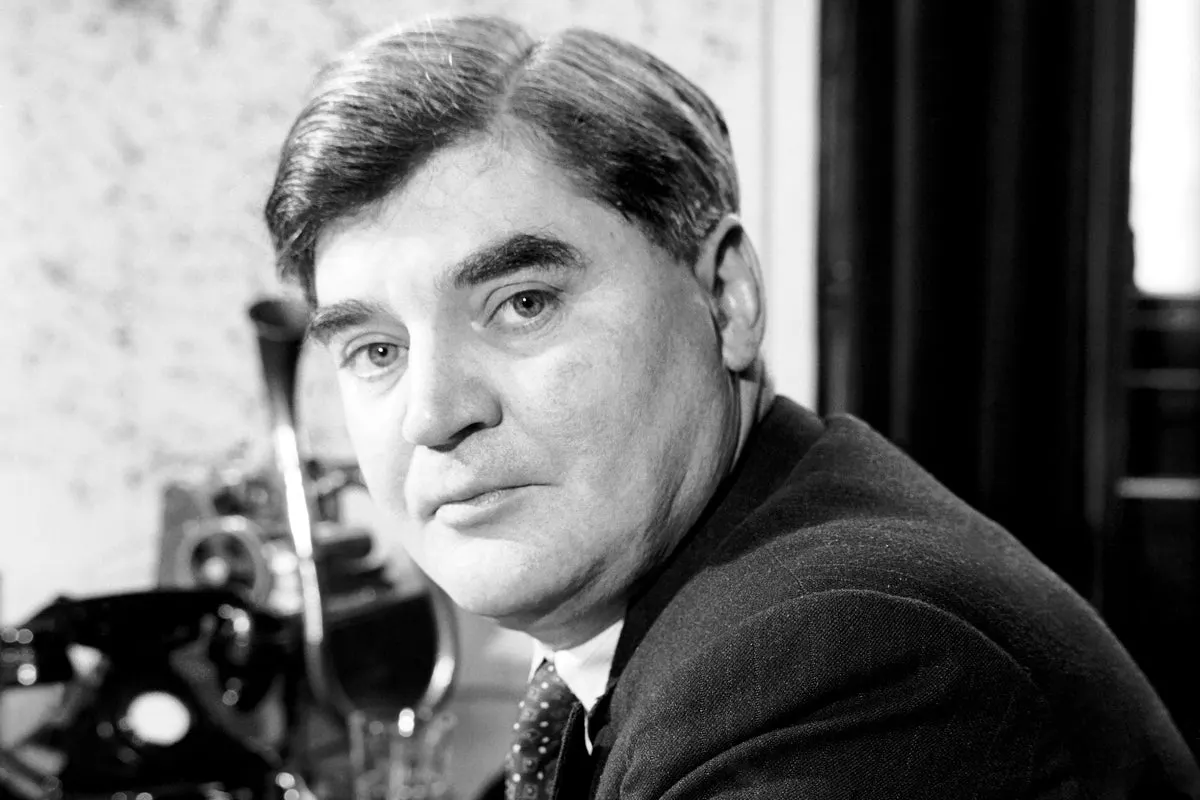
Newly released MI5 records show the service monitored Labour politician Aneurin “Nye” Bevan for more than two decades, including while he was a minister who founded the NHS. The files reveal that MI5’s director general raised Bevan’s contacts with a man convicted of spying for Russia with Prime Minister Clement Attlee.
MI5 opened a personal file on Bevan in 1933, amid concerns about his links with communists and his political activity. The records describe his speeches and associations during the Depression and Second World War, but give no indication that the service tapped his phone or intercepted his post. Some officers questioned the surveillance because Bevan’s views were expressed openly in Parliament; after his death in 1960, one reviewer called the file “remarkably tame”.
- MI5 monitored Nye Bevan for more than two decades.
- The surveillance continued while he founded the NHS as health minister.
- Some officers questioned why MI5 was monitoring his public political activity.
Full account
Newly released security files show that MI5 kept Aneurin ‘Nye’ Bevan under observation for more than 20 years, beginning in the 1930s and continuing through his time in government. Bevan, the Labour politician who established the National Health Service as health minister in 1948, attracted attention because of his connections with prominent communists and concern within the service that he might hold pro-Soviet sympathies. The records do not show that he was accused of spying.
An early episode cited in the files was Bevan’s appearance at an anti-Nazi rally in Montreal in 1934. A security report described his speech as advocating a united Europe under Soviet rule after the overthrow of Nazi Germany. A later summary, written in 1943 by Roger Hollis, who would go on to lead MI5, recounted Bevan’s association with Communist Party figures and his support for organising groups of workers. The reports also describe tensions between Bevan and communist allies, who suspected that he wanted to build a movement of his own.
The surveillance continued after the war, when Bevan became a cabinet minister. MI5’s director general was sufficiently concerned about Bevan’s contact with a person identified in the reports as a Russian spy to raise the matter with Prime Minister Clement Attlee. Yet the files also record doubts within the service about the value of monitoring a politician whose views were publicly expressed in Parliament. One officer noted that Bevan made similar remarks in the Commons, while a review after his death in 1960 called his file remarkably tame given how controversial he had been.
The records offer glimpses of the monitoring’s everyday detail as well as its political context. A 1954 report described a lunch between Bevan and the Soviet ambassador at the Polish embassy in London, saying the meeting went poorly because the ambassador struggled to understand Bevan’s Welsh accent. Another report was addressed to Captain A. F. Blunt, later identified as Soviet spy Anthony Blunt. Bevan himself reportedly complained in 1956 that the authorities had spied on him rather than Hitler. The files also mention Labour MP William Owen, who was later identified as an agent for Czechoslovakia; his case is presented as a separate espionage story, rather than evidence of wrongdoing by Bevan.
Where outlets differ
The first report focuses on the duration and rationale of Bevan’s surveillance, the internal misgivings about monitoring his open parliamentary activity, and the posthumous assessment that the file was relatively unremarkable. The second gives more attention to suspicion of Soviet sympathies, the Montreal speech, the reported meeting with the Soviet ambassador, and Anthony Blunt’s connection to a file. It also devotes substantial space to William Owen’s espionage, a separate case not developed in the first report.
The first report provides more detail about Bevan’s early relationship with communist organisers, including their later disagreements. The second summarises those links and gives greater prominence to Bevan’s role in founding the NHS and his reported 1956 complaint.
More coverage
Read the full article at the source →
Originally published by The Independent as “MI5 monitored politician behind NHS for two decades, newly-released files show”.