World news and discussion on TalkFuse.
MICHAEL RUIZ: JonBenét Ramsey’s father challenges DA after report says family shouldn’t have been cleared
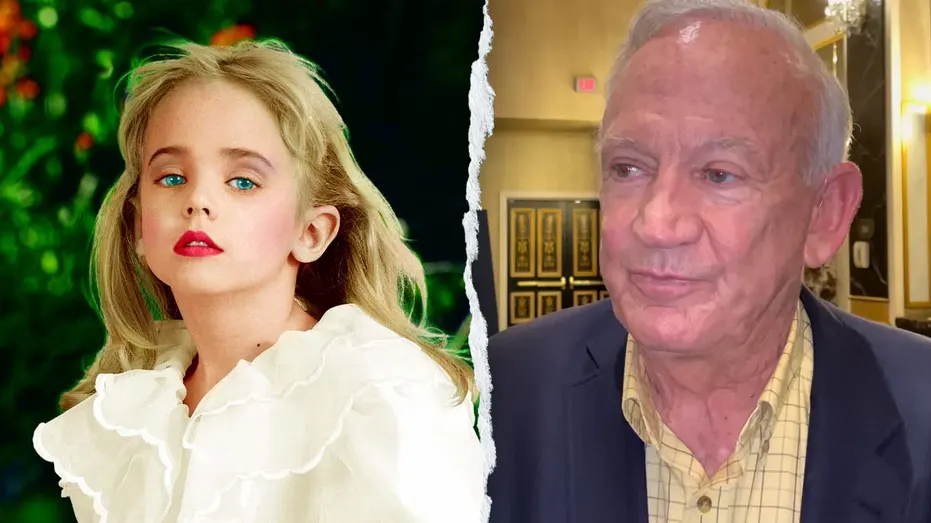
JonBenét Ramsey’s father, John Ramsey, has challenged Boulder County District Attorney Michael Dougherty over comments that he would not have publicly cleared the family as suspects in the unsolved 1996 killing. Ramsey said that if investigators still suspect him, they should bring charges and test the case in court, arguing that DNA evidence should be applied consistently.
Dougherty said he has never ruled people out while a case remains unsolved and wants to follow the evidence wherever it leads; a retired FBI agent described that as a routine investigative approach, not an accusation. JonBenét, who was six, was found dead in her family’s home the day after Christmas in 1996. Investigators have reviewed more than 20,000 tips and compared DNA with over 750 reference samples; her family says police told them in February 2026 that evidence had been sent for testing, though authorities have not confirmed the work or its results.
In short
- John Ramsey challenges the DA’s stance on keeping the family under consideration.
- Investigators have examined over 20,000 tips and more than 750 DNA reference samples.
- The family says evidence was sent for testing, but officials have not confirmed it.
Steelman: both sides, in good faith
The strongest fair case each way — we don't pick a winner.
The case for
Ramsey’s call for charges or a clear public account has force because prolonged uncertainty can leave a family under suspicion without a fair chance to answer allegations in court. If DNA evidence is relevant, applying the same standards consistently could help establish what it does and does not show.
The case against
Dougherty’s position reflects the need to keep an unsolved case open to evidence wherever it leads, rather than publicly clearing anyone before investigators can exclude them. Avoiding premature conclusions may protect the integrity of the inquiry and reduce the risk that new evidence is overlooked or that an investigative caution is mistaken for an accusation.