Michelin-starred restaurant owner in South Korea faces jail for serving ants in dessert
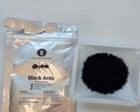
Prosecutors in South Korea have asked a court to jail the owner of a two-Michelin-starred restaurant in Seoul for one year over a dessert topped with ants, an insect not approved for consumption under the country's food safety law. The case, which also seeks a 20m won (£10,108) fine for the restaurant's operating company, highlights the strict regulation of novel food ingredients in South Korea and comes as authorities crack down on unauthorised use of insects in cuisine, even amid growing global interest in entomophagy.
The restaurant, in Seoul's upmarket Gangnam district, is accused of importing dried ants from the US and Thailand from 2021 and serving a sorbet dessert sprinkled with them for around four years, without obtaining the required temporary approval. Prosecutors say the dish was sold about 12,200 times for roughly 120m won (£60,647) in revenue, using an estimated 49,000 ants, though the defence disputes this figure, noting only around 60% of customers accepted the topping. The investigation began after food safety officials spotted mentions of the dishes on blogs and social media, rather than through routine inspection; sentencing is scheduled for 2 September.
In short
- Seoul restaurant owner faces jail for serving unapproved ant-topped dessert
- Prosecutors seek one-year sentence, 20m won fine for the firm
- Ants aren't among South Korea's 10 approved edible insects
Steelman: both sides, in good faith
The strongest fair case each way — we don't pick a winner.
The case for
Food safety regulations exist to protect consumers and ensure accountability in the food industry. South Korea's approval process for novel foods serves a legitimate public health function, and this restaurant deliberately bypassed it for four years, serving an unapproved ingredient to approximately 12,200 customers without securing required temporary authorisation. Regulatory systems depend on consistent compliance; allowing high-profile establishments to ignore approval requirements undermines the framework that protects all consumers.
The case against
Whilst regulatory compliance matters, the severity of the proposed punishment appears disproportionate to the actual harm. Ants have been consumed safely in various cultures for centuries and possess no established toxicity, and the dessert was marketed through social media and blogs, enabling customer awareness and choice rather than deception. A one-year jail sentence for a regulatory technicality concerning a non-toxic ingredient seems punitive rather than proportionate, particularly when the issue reflects outdated regulations that fail to account for evolving global food science and sustainable sourcing practices.
Explained simply
South Korea regulates which ingredients may be sold as food, including insects. A new or unfamiliar ingredient may need temporary approval before restaurants can serve it.
The restaurant is in Seoul’s Gangnam district, and its owner is known for running a two-Michelin-starred establishment. Michelin stars are ratings for restaurants; they do not grant permission to use ingredients under South Korean food law.
The case sits within wider interest in using insects as food, alongside questions about safety and regulation. South Korea’s rules determine which insects can be used in dishes sold to the public.
Asia Business Celebrity Culture Entertainment Food World