Culture news and discussion on TalkFuse.
Michelle Obama accuses media of weaponizing fashion to ‘diminish’ her as a campaign threat
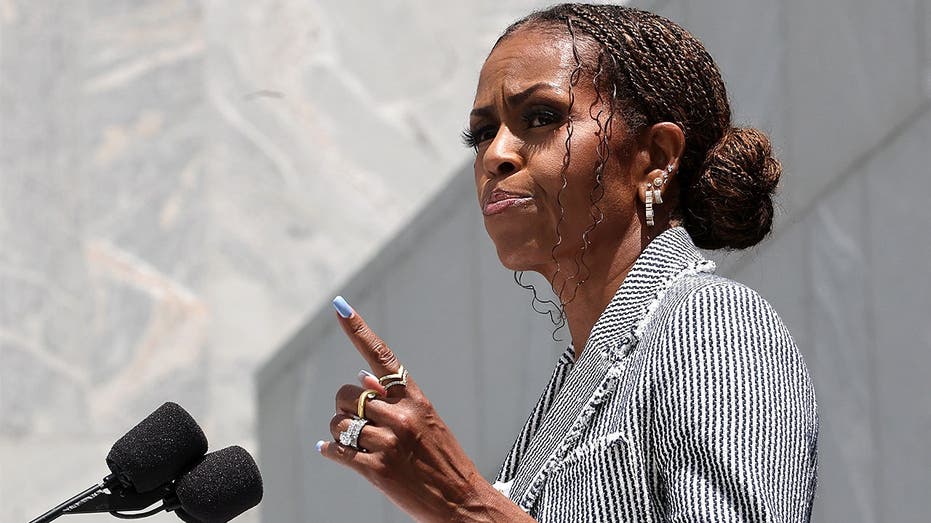
Former US First Lady Michelle Obama has said the media used her fashion and appearance as a tool to "diminish" her during Barack Obama's 2008 presidential campaign, arguing that scrutiny of her clothing and hairstyle choices was intended to undercut her as a political force. She has revealed that she deliberately avoided wearing braids while living in the White House, suggesting the decision was a calculated response to the pressures and judgements placed on her image during that period.
The comments form part of wider remarks from Obama reflecting on how her public image was scrutinised and politicised during her time as First Lady, with particular focus on how choices around her hair and clothing were interpreted or weaponised by commentators and media outlets. The available article text is truncated, limiting further detail on the full context of her remarks, but the central point is her contention that appearance-based coverage served to reduce her standing rather than reflect neutral reporting.
In short
- Michelle Obama says media used fashion to "diminish" her in 2008.
- She avoided braids at the White House deliberately.
- Comments reflect on scrutiny of her image as First Lady.
Steelman: both sides, in good faith
The strongest fair case each way — we don't pick a winner.
The case for
Michelle Obama's observations reflect well-documented patterns whereby media coverage disproportionately emphasises women's appearance, particularly for women of colour, rather than engaging with their substantive contributions. The targeted scrutiny of her hair and clothing carries historical significance given the specific use of appearance-based criticism to delegitimise Black women in positions of influence. Her deliberate avoidance of wearing braids whilst in the White House demonstrates that such coverage had material consequences, meaningfully constraining her choices and agency rather than constituting neutral reporting.
The case against
Whilst acknowledging that women's appearance receives more media attention than men's, characterising all such coverage as intentional weaponisation may overstate the case and risk conflating distinct phenomena. Media interest in First Ladies' fashion reflects longstanding cultural tradition and genuine public interest rather than necessarily reflecting a calculated strategy to undermine authority. Journalists covering First Lady appearance often do so from aesthetic or cultural perspectives rather than from malicious intent, and public interest in someone's image does not necessarily translate to diminished political influence.
Explained simply
Michelle Obama was the First Lady of the United States from 2009 to 2017, during her husband Barack Obama's presidency. Before his election, she played a prominent role in his 2008 presidential campaign.
During the 2008 campaign and her time as First Lady, media coverage frequently focused on Obama's appearance, including her clothing and hairstyle. This level of scrutiny on fashion and style is not unusual for women in high-profile political positions, though critics argue it typically receives far greater emphasis than coverage of their male counterparts.
Obama has reflected on how appearance-focused media coverage affected her public standing, arguing that scrutiny of her fashion and hair was used strategically to diminish her political influence. Such coverage raises broader questions about how the media treats women in politics and whether appearance-based commentary can serve as a form of political pressure.
Culture Elections Fashion Politics World