World news and discussion on TalkFuse.
Michigan backs out of deal with new AD Trev Alberts — and still owes him $17 million after shocking athlete sex comments exposed
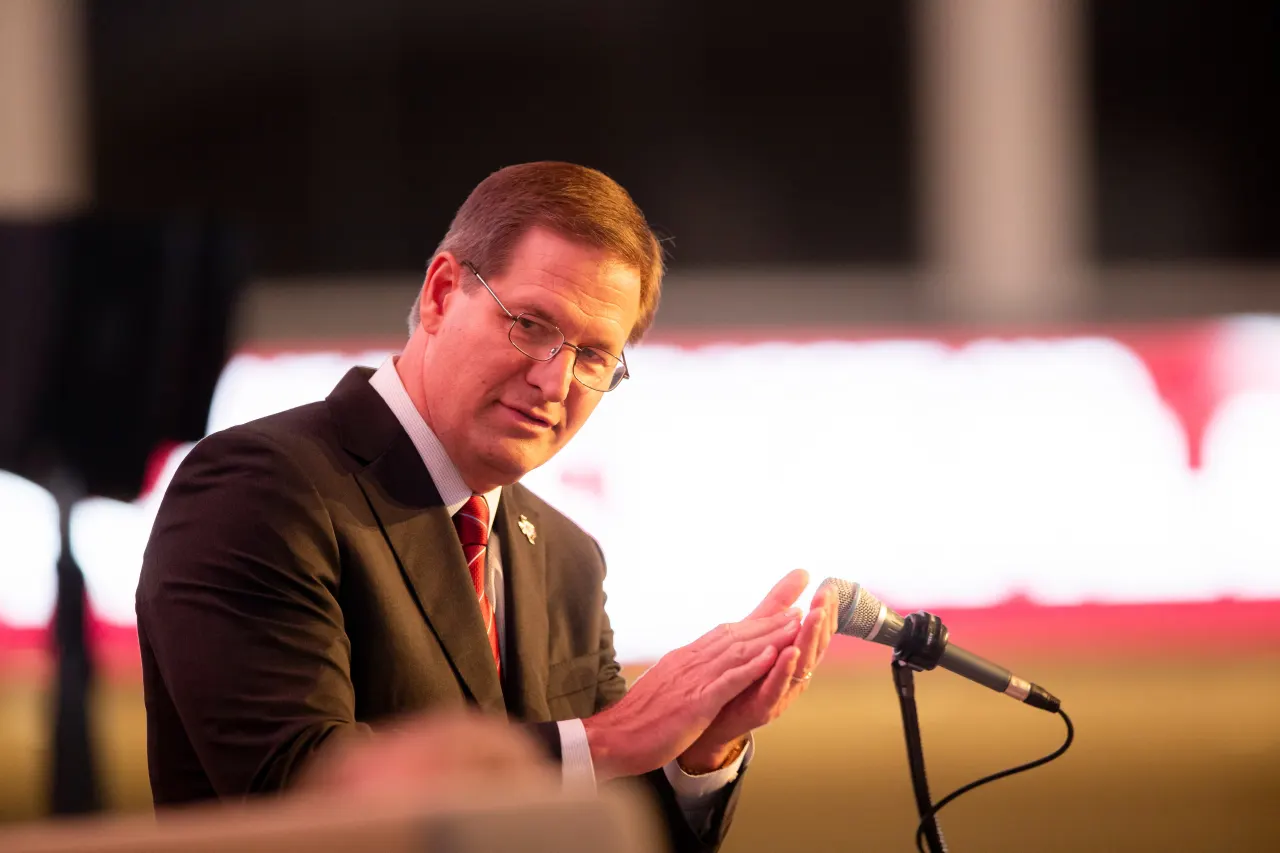
Michigan has withdrawn its offer to hire Trev Alberts as its next athletic director, reportedly after scrutiny of comments he made in a deposition about sexual relationships between coaches and athletes. Alberts had agreed to leave Texas A&M for the role, but his lawyer says Michigan has not explained its decision directly to him; the case raises questions about the university’s vetting and the financial cost of reversing the appointment.
Alberts signed a binding memorandum of understanding on 17 November for a deal worth more than $4 million a year through 2031, with a reported $17.2 million buyout. In a 2025 deposition for a federal Title IX lawsuit over how Nebraska handled allegations involving a former women’s basketball player and assistant coach, Alberts said the question of coaches having sex with athletes “depends” and called for nuance. He denied the allegations through representatives and said he learnt of the relationship when a complaint was filed in 2022. Michigan is seeking a new director after Warde Manuel said he would step down at year’s end.
In short
- Michigan has backed out of hiring Trev Alberts.
- His signed agreement reportedly carries a $17.2 million buyout.
- The decision followed scrutiny of his deposition comments.
Steelman: both sides, in good faith
The strongest fair case each way — we don't pick a winner.
The case for
Michigan can argue that withdrawing the offer was necessary to protect trust in the athletic department and to ensure its leader’s judgement aligns with the university’s responsibilities to athletes. The deposition comments raised legitimate questions for a role involving oversight of student welfare, and the university may have concluded that proceeding would undermine confidence in its leadership.
The case against
Alberts can argue that a hiring decision should rest on a fair assessment of his full record and the context of his deposition, where he called for nuance rather than endorsing misconduct and denied the allegations through representatives. If Michigan had signed a binding agreement, abruptly reversing course without explaining its reasons directly to him raises concerns about due process, institutional vetting and the substantial financial consequences.
Explained simply
A university athletic director oversees its sports programmes, including staffing, budgets and athlete welfare, and often represents the university in major decisions. Michigan is looking for a new director because Warde Manuel has said he will step down at the end of the year; Trev Alberts had been due to leave Texas A&M for the job.
Alberts’s comments came in a deposition, a formal account given under oath, in a federal lawsuit about Nebraska’s handling of allegations involving a former women’s basketball player and an assistant coach. He said he learnt of the alleged relationship when a complaint was made in 2022, and denied the allegations through representatives.
The appointment also carried a substantial financial commitment: a binding agreement reportedly set Alberts’s pay at more than $4 million a year through 2031 and included a $17.2 million buyout. The case therefore raises questions about how universities assess senior hires and what may be owed when an appointment is reversed.