Business news and discussion on TalkFuse.
Michigan Dem claims Stevens shot down Rogers endorsement rumor hours before turning on El-Sayed
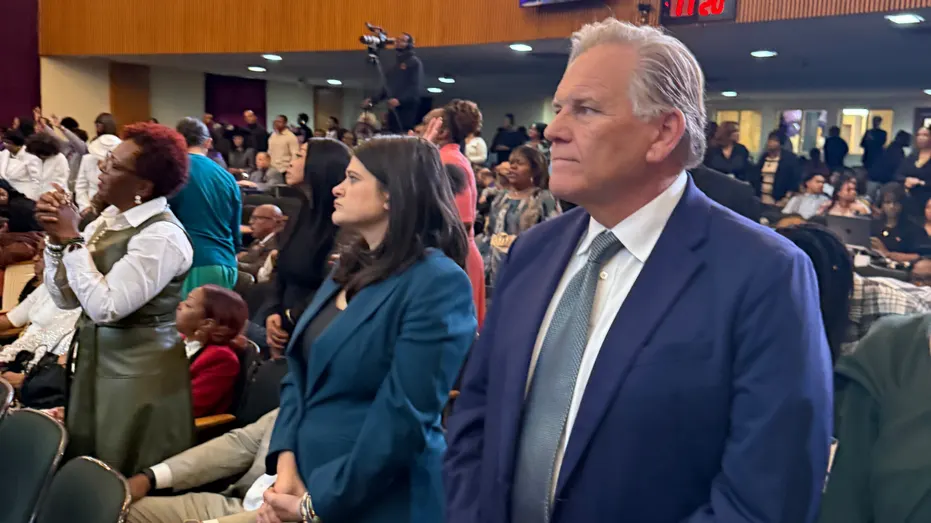
Representative Debbie Dingell said Haley Stevens told her late Saturday that rumours of an endorsement for Republican Senate candidate Mike Rogers were false. About five hours later, Stevens appeared with Rogers at a Detroit church, after Abdul El-Sayed’s campaign had asked her to stay away from its events through Election Day.
The rift followed Stevens’ criticism of an outside advert about Israel and grocery prices, and El-Sayed’s decision to disinvite her from the event. Rogers said El-Sayed had treated Stevens and members of the African-American community poorly; Stevens said she did not belong in El-Sayed’s campaign. His campaign reported raising $1.2 million in the four hours after her endorsement, while the Senate race was rated a toss-up and Republicans held a 53–47 majority.
In short
- Stevens backed Republican Mike Rogers after a public rift with El-Sayed.
- Dingell said Stevens had dismissed endorsement rumours hours earlier.
- El-Sayed’s campaign raised $1.2 million in the following four hours.
Steelman: both sides, in good faith
The strongest fair case each way — we don't pick a winner.
The case for
Stevens could reasonably argue that she was free to support the candidate she judged best able to represent Michigan, particularly after El-Sayed’s campaign disinvited her and she concluded she did not belong in it. Rogers and his supporters could also frame the endorsement as a response to what they saw as disrespect towards Stevens and African-American community members, and as a chance to broaden their coalition.
The case against
Critics could argue that Stevens’s reported denial of an endorsement rumour only hours before appearing with Rogers raises fair questions about the timing and candour of her decision. They could also see the endorsement as lending support to a Republican candidate whose party’s Senate majority mattered to the race, at a moment when her presence could affect El-Sayed’s campaign and its efforts to contest the seat.
Explained simply
Michigan’s US Senate race is a contest to choose one of the state’s two senators in Congress. Democrat Abdul El-Sayed and Republican Mike Rogers are competing in a closely watched election; control of the Senate is also at stake, as Republicans currently hold a narrow majority.
Haley Stevens is a Democratic member of the US House from Michigan, and Debbie Dingell is another Democratic representative from the state. Stevens had been involved in El-Sayed’s campaign, but disagreements over a campaign advert about Israel and food prices led to a dispute between her and his team.
Campaign endorsements can draw attention, volunteers and donations, so support from a prominent politician may matter in a tight race. The dispute also touches on how candidates and campaigns engage with local communities, including African-American voters.
Business Elections Government Markets Politics World