Michigan Dem hopeful Abdul El-Sayed jabs CNN giving him ‘non-consensual colonoscopy’ in recent interviews
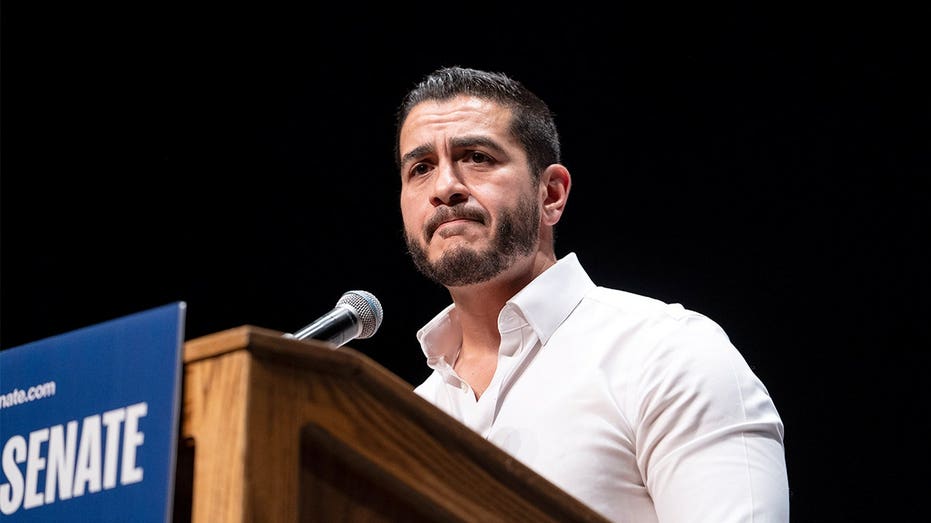
Michigan Democratic Senate candidate Abdul El-Sayed has accused CNN of subjecting him to overly aggressive questioning in recent interviews, at one point likening it to a "non-consensual colonoscopy". The remarks follow footage of him being pressed by CNN hosts, including Jake Tapper, on past controversial comments about the death of Iranian Supreme Leader Ali Khamenei and on his previous support for defunding the police, with critics saying he sidestepped both topics.
In the resurfaced clips, El-Sayed avoided directly addressing calls to "defund" police, instead calling for greater investment in libraries, public services and social services, drawing criticism from Fox News figures such as Harris Faulkner and Lara Trump over his perceived evasiveness. El-Sayed also claimed CNN's coverage of him focuses disproportionately on Iran-related remarks rather than his broader campaign platform.
In short
- El-Sayed likens CNN grilling to a "non-consensual colonoscopy"
- He was pressed on Khamenei death remarks and defunding police
- Critics say he dodged direct answers on both controversial topics
Steelman: both sides, in good faith
The strongest fair case each way — we don't pick a winner.
The case for
A candidate should have fair opportunity to discuss their actual campaign platform and vision. When news outlets fixate on past controversial remarks, the coverage becomes more about creating viral moments than genuinely informing voters about policy positions. The candidate's concern about disproportionate focus on Iran-related comments rather than his broader agenda reflects a legitimate critique: voters benefit more from understanding what a candidate would accomplish in office than from relitigating every past statement.
The case against
Past positions on significant issues like policing and controversial international figures are entirely appropriate for journalistic scrutiny, particularly when a candidate appears evasive in response. Voters deserve clarity on whether candidates have genuinely evolved in their thinking or are avoiding accountability. Tough questioning is not unfair treatment—it is how journalists test whether candidates can substantively defend their positions and records, which is fundamental to democratic accountability.
Explained simply
Abdul El-Sayed is a Democratic candidate running for the United States Senate in Michigan. He has recently accused CNN of subjecting him to aggressive questioning during interviews, comparing the experience to an invasive medical procedure.
The accusations follow resurfaced footage from past CNN interviews that focused on two aspects of El-Sayed's political history: comments he made about the death of Iranian Supreme Leader Ali Khamenei, and his earlier support for defunding the police. During these interviews, El-Sayed did not directly address the "defund the police" position, instead discussing investment in social services and libraries.
The story raises questions about how journalists should approach politicians' past statements, particularly when those statements appear inconsistent with current positions. Media scrutiny of political candidates' evolving positions is a common feature of election campaigns.