Michigan Dem invokes comparison to Jesus when pressed on socialist views: ‘Radical in his time, too’
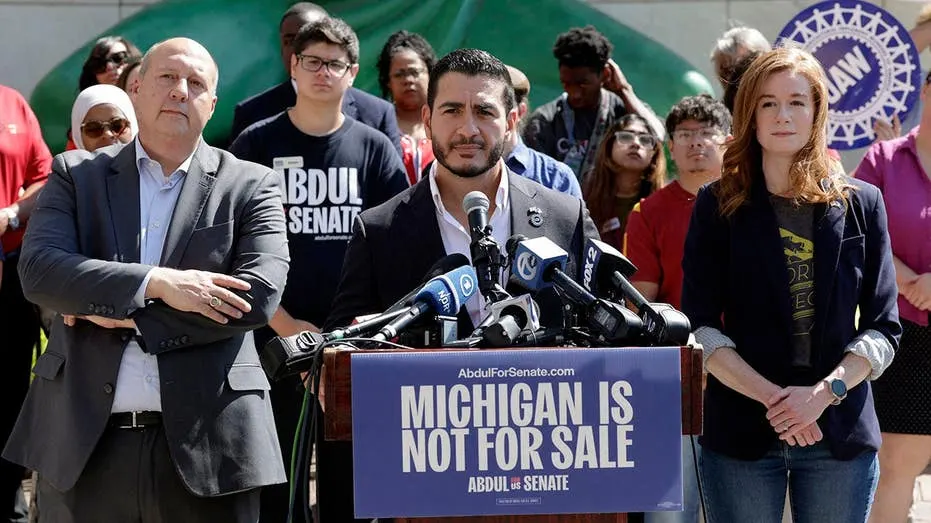
Michigan's Democratic US Senate nominee, Abdul El-Sayed, compared his "radical" policy positions to the teachings of Jesus Christ during a podcast appearance, after being pressed on his socialist-leaning views. The remarks came in an episode of the Progressive Christians Podcast that aired in May, when El-Sayed, who is Muslim, was asked how his faith intersected with his political stances. The comments have resurfaced amid broader Republican efforts to portray Democratic candidates, including El-Sayed, as embracing far-left or socialist positions ahead of the midterm elections.
El-Sayed argued that Jesus was "radical in his time, too", drawing a parallel between his own contested policy agenda and the historically disruptive nature of Christ's teachings. Fox News has framed the comments within a wider pattern of coverage scrutinising El-Sayed's positions, including reports that he would go "a step further" than Senator Bernie Sanders on public ownership of a major US industry, as Republicans warn his agenda could permanently reshape the state if he wins Michigan's Senate seat.
- Michigan Senate hopeful Abdul El-Sayed likens his policies to Jesus's teachings
- Comments made on Progressive Christians Podcast episode aired in May
- Comes amid GOP attacks branding him a Democratic socialist
New here? Start with this
Abdul El-Sayed is a Democratic politician from Michigan and the party’s nominee for a seat in the US Senate, one of the two chambers of Congress. He has described some of his policies as socialist-leaning, a label often used in US politics for proposals that expand public services or government ownership.
The debate reflects a wider divide over the role of government in the economy and how political beliefs relate to faith. El-Sayed is Muslim; the podcast discussion asked how his religion informed his views, while his comparison drew on the history of Jesus’s teachings and their reception.
Both sides, in good faith
The strongest fair case each way — we don't pick a winner.
The case for
El-Sayed's observation that transformative figures have historically been dismissed as radical without invalidating their lasting contributions is sound. Jesus did fundamentally challenge established religious and political structures, and Christian theology has long emphasised economic justice and care for the poor—providing genuine theological grounding for progressive economic policies. Drawing this parallel is legitimate religious and historical rhetoric that contextualises his vision within a respected intellectual and spiritual tradition.
The case against
Whilst historical comparisons can illuminate debate, El-Sayed's analogy risks eliding the gap between first-century religious teachings and specific modern economic policies. The comparison arguably elevates his political agenda through rhetorical association with a foundational religious figure rather than substantive engagement with its actual merits, costs, and trade-offs. Fair scrutiny of his platform requires examining whether his policies would achieve stated goals, rather than accepting comparisons that rely on historical or religious authority to bypass difficult policy analysis.