Michigan Democrat demands reporters stop asking ‘about Hasan Piker’ ahead of Senate race
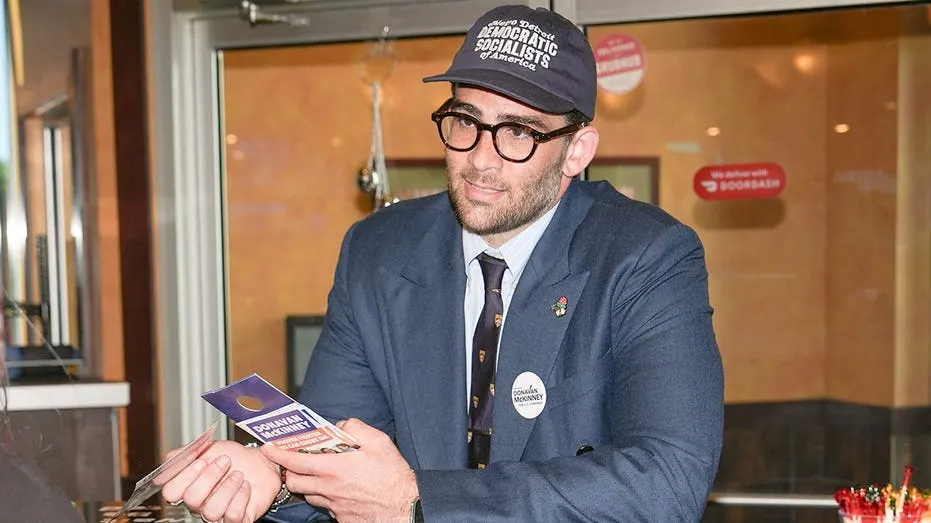
Representative Debbie Dingell said she no longer wanted reporters to question her about Twitch streamer Hasan Piker during campaigning for Michigan Senate candidate Abdul El-Sayed. She said Piker’s views were not the focus of November’s election and argued that attention should instead centre on healthcare, affordability, hunger and other issues affecting voters.
Dingell nevertheless criticised Piker’s comments on Israel, rape and women, calling some of them inexcusable, and said El-Sayed should clearly distance himself from views he does not share. Her remarks follow condemnation of Piker by several Democratic politicians after his comments about American Jews and Israel; El-Sayed, who had previously campaigned with Piker, also said his campaign would focus on household costs, schools and healthcare.
- Dingell wants the Michigan race focused on voters’ economic and social concerns.
- She criticised Piker but said questions about him were a distraction.
- El-Sayed has also sought to distance himself from the streamer.
New here? Start with this
Michigan’s US Senate race is taking place in a state where voters will choose who represents them in the upper chamber of Congress. Abdul El-Sayed, a Democrat and former state health director, is running for the seat.
Hasan Piker is a political commentator who broadcasts on Twitch, an online video platform. He has appeared at campaign events with El-Sayed, bringing attention to his political comments as well as to the candidate.
The dispute touches on how candidates are judged for people they campaign alongside, and which issues get attention during an election. Healthcare and the cost of living are among the concerns El-Sayed says his campaign will address.
Both sides, in good faith
The strongest fair case each way — we don't pick a winner.
The case for
A candidate should be judged principally on their own platform and record, not on tangential associations with every external figure they may have interacted with. By fixating on Hasan Piker, journalists distract from the substantive issues that voters genuinely care about—healthcare, affordability, education—which should rightfully occupy the centre of election coverage. The candidate has already clarified his disagreement with objectionable views and wishes to focus discussion on what he would actually deliver in office.
The case against
A candidate's judgment in choosing whom to associate with and elevate is legitimate electoral information that voters deserve to assess. When those associations involve individuals who have made offensive statements about protected groups, voters have a right to clarity about whether the candidate endorses those views. Dismissing such questions as mere distraction prevents proper accountability and leaves voters unable to make fully informed judgments about a candidate's values and judgment.