El-Sayed launches combative Senate bid against Rogers, sparking GOP backlash
Developed over time first seen 2 months ago
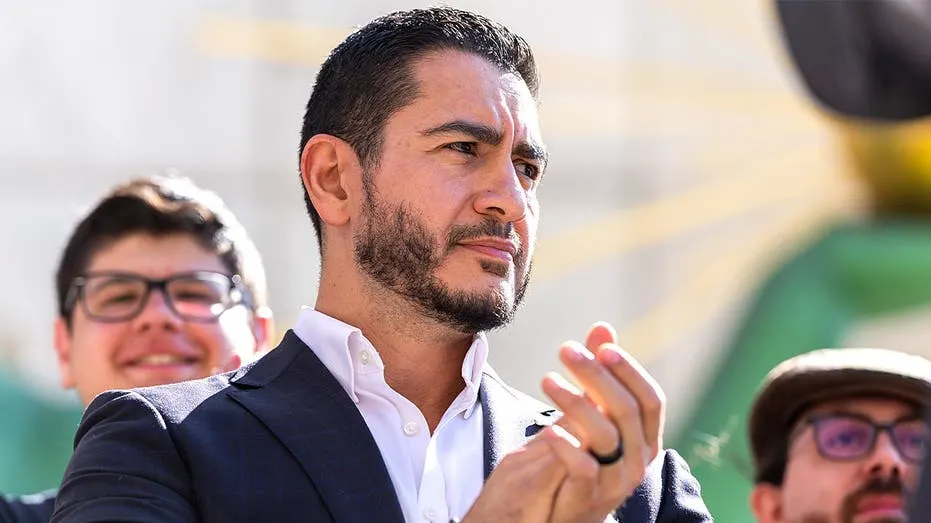
Abdul El-Sayed, who secured the Democratic nomination for Michigan's US Senate seat, opened his general-election campaign with sharply combative rhetoric against Republican rival Mike Rogers, vowing "no safe quarter" and publicly questioning his opponent's courage. The tone quickly became a point of contention, with conservative commentators accusing El-Sayed of overreach and Republicans using the primary result to challenge the breadth and depth of his voter coalition.
As part of his assertive start to the race, El-Sayed called for a series of five debates with Rogers. Vice President JD Vance also intervened, arguing that El-Sayed's nomination reflected shifting demographics within the Democratic Party rather than genuine working-class backing, suggesting his support base was drawn mainly from wealthier progressive voters and framing the contest as likely to be closely fought.
- El-Sayed wins Michigan Democratic Senate primary, takes aggressive tone against Rogers
- He has proposed five debates ahead of the general election
- JD Vance says El-Sayed's support skews affluent, not working-class
New here? Start with this
Abdul El-Sayed, a progressive Democrat, has just won his party's nomination to contest Michigan's U.S. Senate seat. He now faces Mike Rogers, a Republican and former congressman, in the general election later this year. The seat is being vacated by the retiring incumbent, making it one of the more closely watched contests in a state considered a political battleground.
El-Sayed built his primary campaign on progressive policies and has positioned himself as a combative challenger heading into the general race, calling for multiple debates with Rogers. His rise has drawn attention from national Republican figures, including Vice President JD Vance, who has argued that El-Sayed's support comes mainly from wealthier, left-leaning voters rather than working-class Democrats.
The dispute over who really backs El-Sayed matters because Michigan's working-class vote has been a key battleground in recent elections, and both parties are keen to define which candidate better represents those voters ahead of November.
Both sides, in good faith
The strongest fair case each way — we don't pick a winner.
The case for
Supporters of El-Sayed's approach would argue that after a decisive primary victory, a candidate is entitled to campaign with conviction rather than caution, and that combative language reflects genuine passion about the stakes of the race rather than recklessness. Calling for five debates, they would say, shows confidence in his ideas and a preference for substantive public scrutiny over slogans and paid advertising. Challenging an opponent's record and readiness to be tested, on this view, is a legitimate and time-honoured part of vigorous democratic contest, not an overreach.
The case against
Critics would counter that language such as declaring 'no safe quarter' and questioning an opponent's courage crosses from robust debate into personal attack, and that such rhetoric can alienate the moderate and independent voters a general election requires. They would also argue that Vice President Vance raises a fair and serious question about representation: if a nominee's coalition is concentrated among more affluent, ideologically progressive voters rather than the working-class base the party has traditionally relied upon, that is a legitimate matter for voters to weigh when judging whose interests the candidate will actually champion in office.
Coverage
- Fox News — El-Sayed’s threat against GOP rival backfires as conservatives bring receipts: ‘Is Dubai in Florida?’
- The Hill — Vance says El-Sayed has no ‘constituency among the working class’