Michigan’s 2026 Democratic Senate Primary Highlights Intra-Party Battle Between Establishment and Progressive Wings
Developed over time first seen 2 months ago
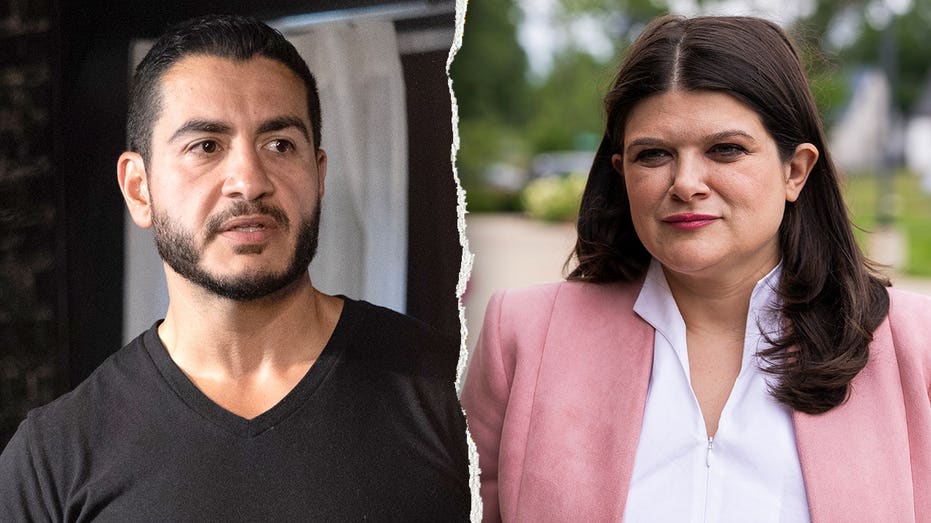
Michigan's 2026 Democratic Senate primary has become a focal point in the midterm election cycle, featuring a contest between Representative Haley Stevens, representing the party establishment, and Abdul El-Sayed, a former public health official running on a more progressive platform. The race has emerged as one of the most closely watched contests of the early primary season, exemplifying the broader ideological tensions within the Democratic Party.
The primary has become a flashpoint in a larger debate over the Democratic Party's direction. Republicans have cited El-Sayed's candidacy alongside other progressive primary victories as evidence that Democrats are embracing leftward ideology ahead of the 2026 midterms. Conversely, El-Sayed's supporters argue his candidacy reflects voter frustration with the party establishment rather than an embrace of far-left politics, characterising the race as a contest over representation and party direction rather than a fundamental ideological realignment.
- Michigan's Democratic Senate primary features establishment candidate Haley Stevens versus progressive Abdul El-Sayed
- Republicans cite El-Sayed's rise as evidence of Democratic Party moving further left
- El-Sayed's allies counter that primary win reflects establishment dissatisfaction, not ideological radicalism
New here? Start with this
Michigan is holding a Democratic primary in 2026 to pick a candidate for a US Senate seat, and the contest has drawn national attention because of what it might say about the party's direction. The two main candidates are Haley Stevens, a sitting member of Congress seen as representing the party's more traditional, establishment wing, and Abdul El-Sayed, a former public health official running on a more progressive platform. Primaries are the internal votes parties use to choose who will represent them in the general election.
The race matters beyond Michigan because it has become a case study in an ongoing argument about whether the Democratic Party is shifting further to the left. Similar debates have played out in other primaries around the country, with each result read by commentators as evidence for one side or the other of that argument. This makes Michigan's outcome a marker that both supporters and critics of the party's current direction are likely to point to as the 2026 midterm elections approach.
There is disagreement over what a win for either candidate would actually mean. Some, including Republican commentators, present El-Sayed's rise as proof that Democrats are moving toward more left-wing positions, while his supporters say his support reflects dissatisfaction with established party figures rather than a broader ideological shift. This dispute over interpretation is itself part of the story, since the same result can be read in very different ways depending on who is doing the reading.
Both sides, in good faith
The strongest fair case each way — we don't pick a winner.
The case for
Supporters of El-Sayed's candidacy argue that it reflects genuine grassroots energy rather than a fringe takeover, pointing to voters' frustration with rising living costs, corporate influence in politics, and a party establishment they see as too cautious or slow to address these concerns. They contend that competitive primaries are a healthy expression of democracy, allowing the party's base to demand bolder representation on issues like healthcare and economic fairness, and that this is fundamentally a contest about who best represents ordinary voters rather than a sign of ideological extremism.
The case against
Supporters of the establishment position, often associated with Stevens' campaign, argue that electability in a competitive swing state like Michigan should be the priority, favouring a candidate with a demonstrated record of winning over moderate and independent voters. They contend that pragmatic, broadly appealing governance is essential to building the coalitions needed both to win in November and to pass legislation once in office, and that framing the race as establishment versus insurgent risks obscuring substantive policy differences and understating the practical realities of winning a general election.
Coverage
- Fox News — 2026 Midterms State of Play: Key races unfold as Stevens, El-Sayed battle in Michigan
- Fox News — El-Sayed’s socialist allies reject GOP claims about Dems embracing the far left