World news and discussion on TalkFuse.
Mick Jagger doesn’t want to ‘lecture’ fans, says his job is to make people ‘have the best time’
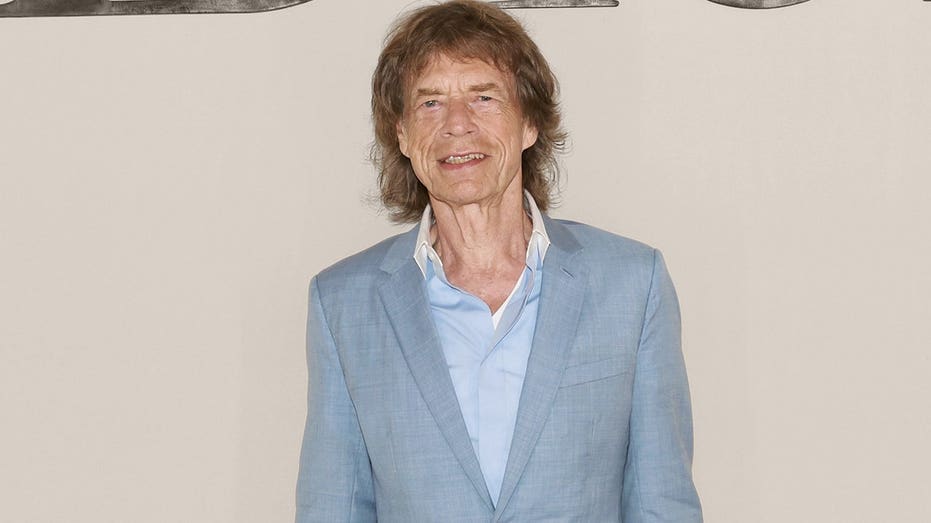
Rolling Stones frontman Mick Jagger has spoken about how he views his role as a performer, arguing that his purpose is to entertain rather than to preach to his audience. Speaking on the New York Times podcast "The Interview", the 82-year-old said his job is to help people "have the best time", pushing back against the idea that musicians should use their platform to lecture fans, an issue that has become a recurring debate around artists and politics.
The remarks come amid wider discussion about the place of political messaging in music, with the article situating Jagger's comments alongside similar sentiments from other entertainers. Rapper Vanilla Ice, for example, is referenced for stressing music's power to unite people across political divides while questioning the wisdom of musicians involving themselves in politics. The bulk of the surrounding text consists of unrelated Fox News celebrity headlines rather than further detail on Jagger's interview.
Steelman: both sides, in good faith
The strongest fair case each way — we don't pick a winner.
The case for
An artist's primary contract with audiences is entertainment—a shared experience that unites people across political divides. Lecturing fractures this unity and arguably misuses a platform granted on artistic merit rather than political credentials. Music's transcendent power lies in connection, which is compromised when performers prioritise political messaging over the joy and escape audiences came for.
The case against
Artists are citizens with moral agency whose voices matter. Music has historically been vital to social change, and staying silent on injustice is itself a political choice. Rather than lecturing and entertaining being opposites, artistic authenticity often demands expressing the values that inform one's work—many performers show both can coexist.
Explained simply
A long-running debate in popular culture concerns whether famous musicians should use their platforms to promote political or social causes. Some believe entertainers have a responsibility to speak out on important issues, whilst others argue that musicians should focus solely on entertaining their audiences.
Mick Jagger, the 82-year-old lead singer of the Rolling Stones, is one of rock music's most influential figures with a career spanning more than five decades. His views on this topic carry particular weight given his prominence in the industry.
This tension between entertainment and activism remains unresolved in the music industry. Different artists take different approaches, ranging from outspoken activism to deliberately avoiding political commentary, reflecting their own beliefs about their role as performers and what their audiences expect from them.