Entertainment news and discussion on TalkFuse.
Microsoft brings original Xbox backward compatibility to Windows PCs
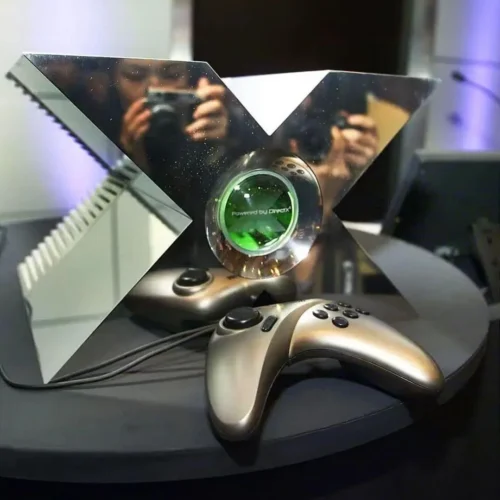
Microsoft has launched "Xbox Backward Compatibility on PC," letting select original Xbox games run officially on Windows for the first time, extending its long-standing backward-compatibility strategy beyond consoles. The move is more significant commercially than technically, since Xbox has used emulation to run old games on newer consoles since the Xbox 360 era, and unofficial PC emulators have offered similar functionality for years; instead, it signals Microsoft's continued push to blur the line between its console and PC gaming businesses.
The programme launches with four titles, BLiNX: The Time Sweeper, Conker: Live and Reloaded, Crimson Skies: High Road to Revenge and Fuzion Frenzy, each available for $10, though Xbox Game Pass subscribers and owners of existing digital licences get them free. PC versions add enhancements such as Vsync, anisotropic filtering, anti-aliasing and up to 4x resolution scaling, though frame rates and aspect ratios remain locked to the originals. Early testing by Digital Foundry likened the experience to playing on an Xbox Series X, albeit with some visual bugs and frame-timing issues, and Microsoft says this is just the start of a broader effort to bring more classic Xbox titles to PC over time.
In short
- Microsoft brings four original Xbox games officially to Windows PCs.
- Games cost $10, or free with Game Pass/existing licences.
- Part of Microsoft's broader push to merge Xbox and PC gaming.
Steelman: both sides, in good faith
The strongest fair case each way — we don't pick a winner.
The case for
This benefits consumers and preserves gaming heritage. Players gain access to beloved classics on their preferred platform, with Game Pass subscribers receiving additional content at no extra cost. As hardware becomes obsolete, emulation ensures these games remain playable rather than lost to time. Microsoft's backward-compatibility programme expands choice and convenience without forcing participation.
The case against
Critics raise legitimate concerns about anti-competitive consolidation. Microsoft's integration of console content with PC gaming strengthens ecosystem lock-in and increases switching costs for players invested in Game Pass and digital purchases. This expansion allows Microsoft to deepen control over interconnected platforms in ways competitors cannot replicate. Microsoft's dominant position in PC gaming means extending console games there raises genuine concerns about market consolidation and competitive fairness.
Explained simply
Backward compatibility allows newer hardware to run games designed for older systems. Gaming companies like Microsoft value this because it lets players reuse games they already own, and it expands a platform's available game library without needing entirely new titles.
Microsoft has offered backward compatibility since around 2005 on the Xbox 360, letting players run selected original Xbox games on the newer console. The company has maintained this feature across subsequent generations, including the current Xbox Series X and Series S.
Microsoft has long offered backward compatibility on its Xbox consoles, but the company has increasingly blurred the line between console and PC gaming in recent years. Making classic Xbox games available on Windows PCs represents an extension of that strategy, building a unified gaming ecosystem that spans both platforms.