World news and discussion on TalkFuse.
Microsoft’s failure to find a home for Ninja Theory voids the one, very tenuous upside to Senua’s SGF reveal
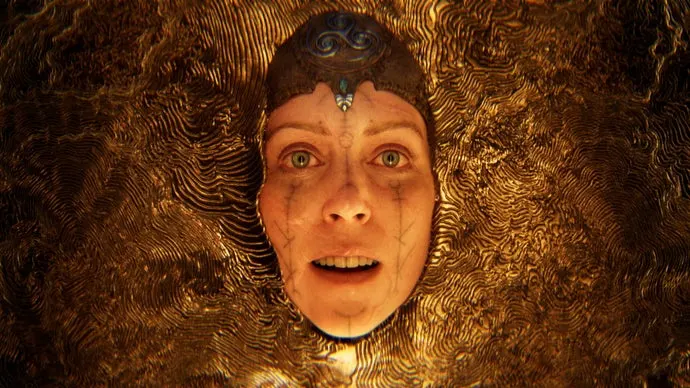
Microsoft showcased Ninja Theory's game Senua at Summer Game Fest in June, apparently to attract potential buyers after the studio was placed up for sale. Two separate acquisition deals subsequently fell through, leading to the announcement of the studio's proposed closure. The timing of the promotional campaign coinciding with the sale attempt has been widely interpreted as a strategic miscalculation, raising questions about Microsoft's planning and execution.
Ninja Theory was put up for sale approximately four weeks after the Senua announcement, with Microsoft executive Matt Booty announcing the failed sale attempts with minimal explanation. The award-winning studio, which has won multiple BAFTA awards, is expected to become the first studio closure resulting from Microsoft's 2026 restructuring programme. The sequence of events—promoting a game whilst simultaneously attempting to divest the developer—has generated scrutiny over Microsoft's strategic competence in managing the transition.
In short
- Microsoft promoted Ninja Theory's game Senua while attempting to sell the studio
- Two acquisition deals collapsed, triggering proposed closure announcement
- BAFTA-winning studio faces closure as Microsoft's first 2026 casualty
Steelman: both sides, in good faith
The strongest fair case each way — we don't pick a winner.
The case for
Showcasing Senua before attempting to sell Ninja Theory was strategically sound—demonstrating developer capability and current work quality directly supports buyer interest and acquisition prospects. The failure to complete acquisitions reflects broader market dynamics including regulatory scrutiny and consolidation concerns, rather than promotional miscalculation. Enhancing visibility of a high-value asset remains prudent business practice in M&A contexts regardless of eventual transaction outcomes.
The case against
Promoting Senua whilst simultaneously attempting to sell Ninja Theory created contradictory strategic signals that likely hampered acquisition prospects. Marketing the game suggested Microsoft's continued commitment to the studio, conflicting with divestment messaging and leaving potential buyers uncertain about genuine strategic direction. The promotional investment ultimately delivered no tangible acquisition benefit, having been wasted once closure occurred. Strategic coherence would have required choosing between full commitment to development or pursuing a discrete sale without public campaigns creating mixed impressions.
Explained simply
Ninja Theory is a British video game studio best known for the Senua games, including the award-winning Hellblade series. It is part of Microsoft, which owns Xbox and publishes games for its consoles and computers.
Summer Game Fest is an annual event where publishers show upcoming games to the public. Microsoft presented Senua there while reportedly seeking a buyer for the studio; two proposed sales later fell through, and Microsoft announced plans to close it as part of a wider restructuring.
The sequence has drawn attention to how Microsoft handled the studio’s future while promoting its game. It also raises questions about what the proposed closure could mean for Ninja Theory’s staff and the games it makes.
Americas Art Celebrity Culture Entertainment Gaming