MIKE DAVIS: Sen Slotkin reveals her insidious scheme to target young conservatives
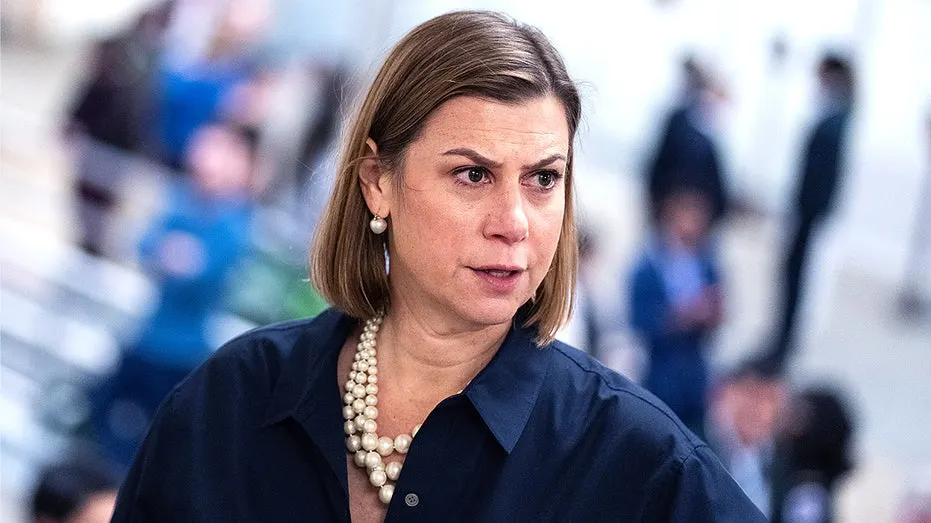
An opinion article criticises Senator Elissa Slotkin after she discussed prosecuting Trump administration officials for particularly serious actions, with the stated aim of deterring young conservatives from taking jobs in the administration. The writer argues that such prosecutions would be politically motivated and unconstitutional, but the article presents this as its own interpretation rather than an established legal finding.
The article says Slotkin referred to “signature cases” against officials who lack the presidential immunity she described, and cited people involved in building a new White House ballroom as a possible example. It quotes her saying she wanted a deterrent message sent to prospective staff. The writer places her comments in the context of prior investigations and prosecutions involving Trump and his supporters, and says the Supreme Court stopped a lawsuit seeking to block the ballroom project.
- Slotkin discussed prosecutions of Trump officials to deter future staff.
- She cited ballroom construction as a possible example.
- The writer condemns the proposal as politically motivated.
Both sides, in good faith
The strongest fair case each way — we don't pick a winner.
The case for
A good-faith case for Slotkin’s position is that officials should face accountability when there is evidence of serious wrongdoing, and that presidential immunity does not automatically extend to everyone working in an administration. Publicly signalling that such conduct may be prosecuted could deter unlawful acts and reassure people that public office carries legal responsibilities.
The case against
A good-faith concern is that promising prosecutions to deter people from joining a particular administration risks making law enforcement appear partisan and could chill lawful public service. Any case would need to rest on specific evidence and established law; using a disputed project such as the ballroom as an example may raise questions about whether the proposed scrutiny is principled or politically targeted.