World news and discussion on TalkFuse.
Mike Pence knifes Trump for not drawing a harder line on China ahead of Xi and Putin meeting this week
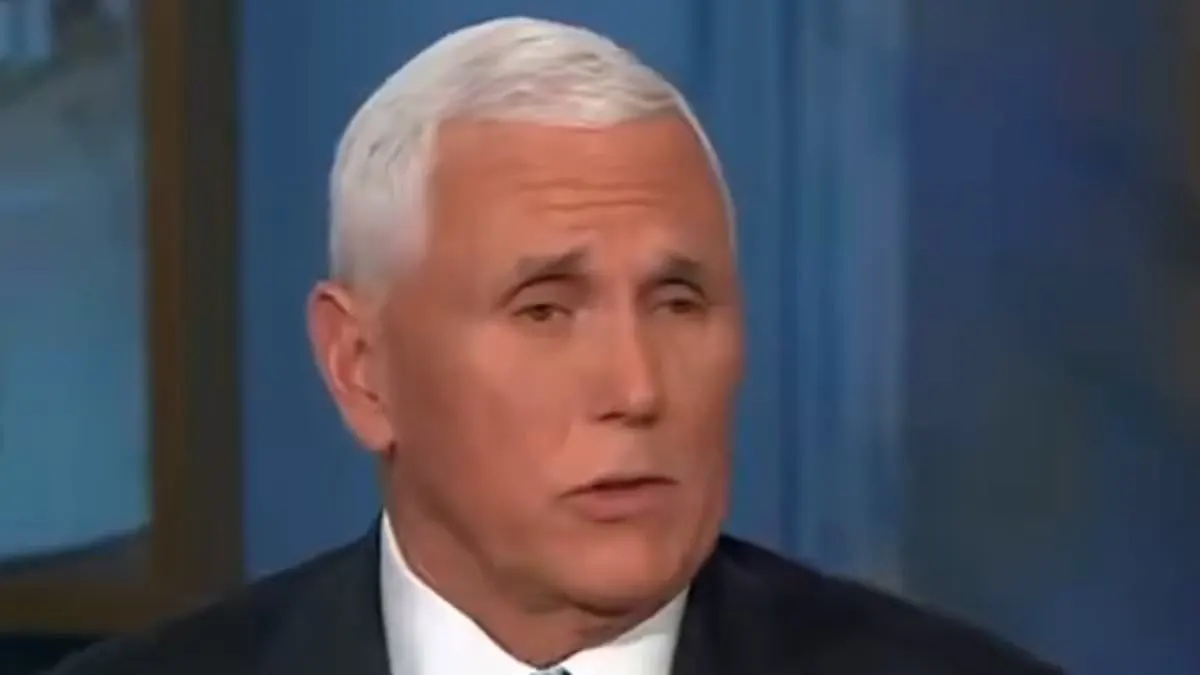
Former Vice-President Mike Pence criticised the current Trump administration for what he sees as a softer approach to China, saying he is “shocked” by its cooperation with major US rivals. His remarks matter because they question whether the administration’s policies protect US security and technological advantage, shortly before Donald Trump is due to meet China’s Xi Jinping and Russia’s Vladimir Putin.
Pence contrasted the first Trump administration’s $250 billion in tariffs, regional military build-up and condemnation of the persecution of Uyghurs with decisions to let TikTok continue operating, delay weapons sales to Taiwan and ease export controls on advanced Nvidia chips. He said China had spent decades stealing US intellectual property and urged the administration to explain its approach, particularly as the US competes in artificial intelligence. The article says the three leaders are expected to meet on the sidelines of the APEC summit in Shenzhen.
In short
- Pence says Trump’s China policy has become too soft.
- He cites TikTok, Taiwan arms sales and Nvidia chips.
- Trump is due to meet Xi and Putin at the APEC summit.
Steelman: both sides, in good faith
The strongest fair case each way — we don't pick a winner.
The case for
Pence’s case is that a firm line on China helps protect US security, technological leadership and regional allies. He points to earlier tariffs and military investment, and argues that allowing TikTok to continue, delaying arms sales to Taiwan and easing chip export controls could weaken leverage while China seeks advanced technology.
The case against
A more accommodating approach could be defended as a way to preserve room for diplomacy and manage competition without escalating tensions. Keeping TikTok operating, adjusting chip controls and delaying weapons sales may reflect efforts to balance security concerns with economic interests and the risks of worsening relations ahead of talks with China and Russia.
Explained simply
The United States and China are major economic and military powers, and their relationship combines trade with competition over technology and security. Taiwan, which China claims as its territory, is a particular source of tension; the US supplies it with weapons but does not formally recognise it as an independent country.
Mike Pence was Donald Trump’s vice-president during his first term. His criticism centres on how the US should respond to China’s growing influence, including concerns about technology, trade and the treatment of Uyghurs, a predominantly Muslim ethnic group in China’s Xinjiang region.
China’s leader Xi Jinping and Russia’s president Vladimir Putin are also central to US foreign policy because both countries are treated by Washington as strategic competitors. Their dealings with the US matter for questions of security, access to advanced technology and the balance of influence in the region.
Americas Asia Government Politics World