Business news and discussion on TalkFuse.
Millions could face Social Security cuts after Congress ignored decades of warnings: experts
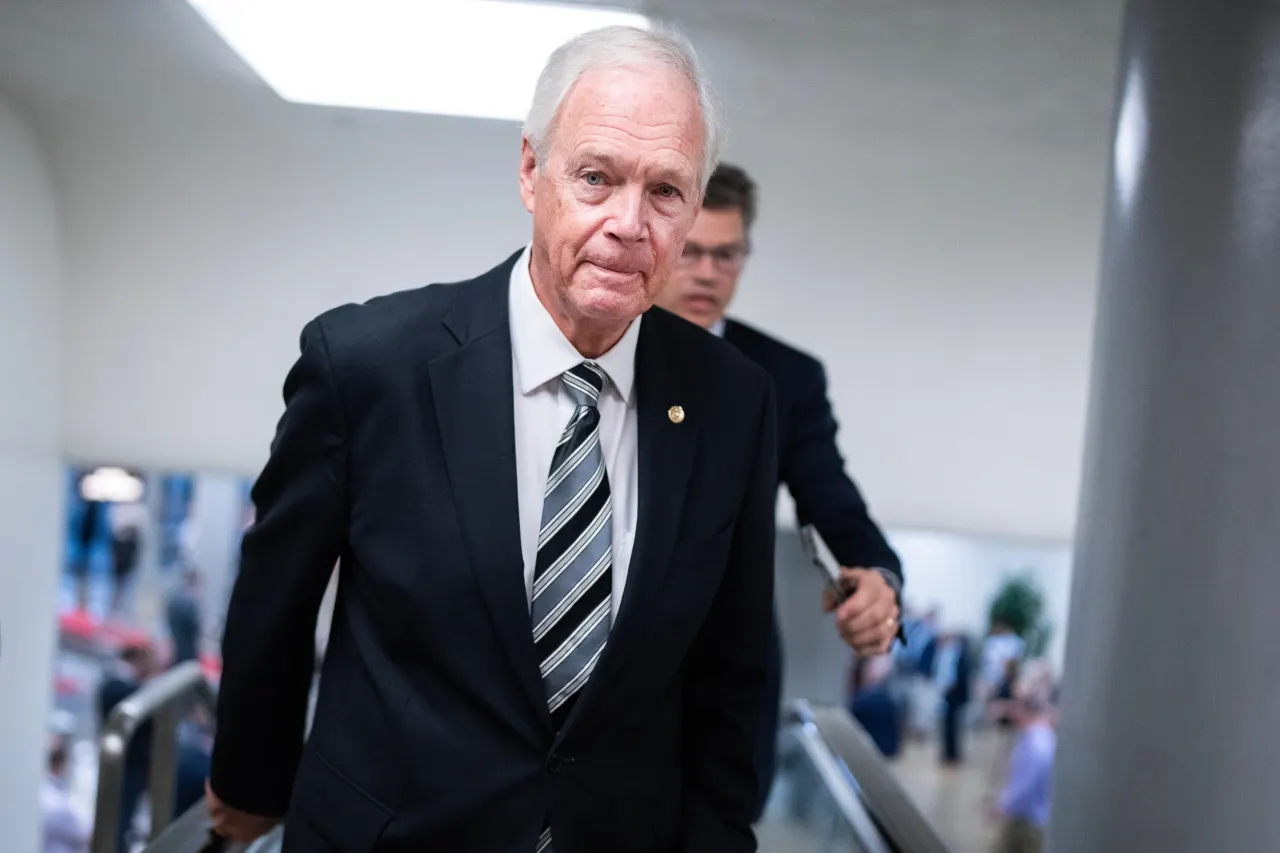
Experts say warnings made to Congress in 1977 about Social Security’s financing were ignored, leaving the programme facing a funding shortfall that could affect millions. They argue that tying benefit growth to wages instead of inflation helped build a gap between promised benefits and the revenue available to pay them.
The article says Social Security operates on a pay-as-you-go basis, with current workers’ contributions funding retirees, and that the ratio of workers to beneficiaries has fallen as fertility declined. The trust fund is projected to run out in 2032; without action, benefits would be reduced and the shortfall could add trillions to national debt. Congress last enacted a major rescue in the early 1980s, raising taxes and the retirement age, while Senator Ron Johnson argues the long delay has made another fix harder.
In short
- Experts say a 1977 policy choice contributed to Social Security’s funding strain.
- The trust fund is projected to run out in 2032.
- Without a fix, benefits could be cut and debt could rise.
Steelman: both sides, in good faith
The strongest fair case each way — we don't pick a winner.
The case for
The warnings suggest Congress should act before the trust fund is depleted, because delay risks abrupt benefit reductions for retirees and greater costs for future workers. Advocates of a timely fix may favour a mix of revenue increases and benefit changes, arguing that gradual adjustments give people more time to plan and share the burden across generations.
The case against
Congress should avoid rushing into changes that reduce promised benefits or raise taxes on workers, particularly when the scale and distribution of any shortfall depend on policy choices. A careful response could consider other revenue sources or broader reforms, and weigh the programme’s long-term finances alongside the security it provides to retirees and people with disabilities.
Business Economy Government Politics World