Science news and discussion on TalkFuse.
Millions of California-bought cars can be hijacked via Bluetooth
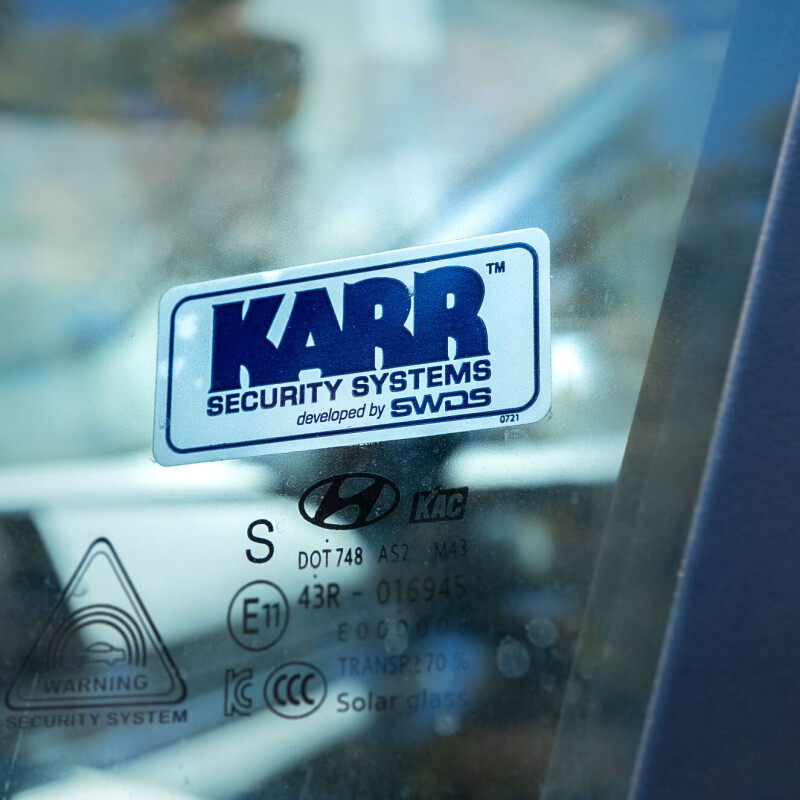
University of California San Diego researchers say at least 2.2 million vehicles fitted with KARR and SWDS aftermarket security systems could be vulnerable to nearby Bluetooth attacks. An attacker who obtains the shared security key and is within about five yards could unlock doors, sound the horn, flash lights or stop a stationary vehicle from starting, creating a potential theft and disruption risk.
The devices, made by Acrisure and installed by dealers as tracking and anti-theft upgrades, reportedly use the same key across affected units and may remain active even when buyers decline the service. Researchers say most affected cars were bought from Southern California Honda, Toyota, Mazda, Ford and Jeep dealers over the past nine years, though resales may have spread them further; KARR has issued a firmware update but disputes the claim that all devices are affected.
In short
- Shared Bluetooth key may expose 2.2 million dealer-fitted vehicle security systems.
- Nearby attackers could unlock cars or prevent them starting.
- KARR has released an update while disputing the scale.
Steelman: both sides, in good faith
The strongest fair case each way — we don't pick a winner.
The case for
This vulnerability exposes fundamental security failures in system design. Using identical shared keys across 2.2 million vehicles violates basic security principles and indicates either negligent engineering or insufficient security expertise. The combination of scale and exploitation ease—merely requiring Bluetooth proximity—creates genuine risk for vehicle theft and disruption. That external researchers, rather than the manufacturer's own processes, discovered this flaw raises serious questions about the company's security culture and whether consumers should trust aftermarket systems built on such architecturally compromised foundations.
The case against
Security vulnerabilities are routinely discovered in complex systems through responsible disclosure, which demonstrates proper accountability mechanisms functioning as intended. The manufacturer has responded with a firmware update, showing appropriate responsiveness. Aftermarket systems necessarily operate within different constraints than factory-installed alternatives, and this discovery-and-remediation cycle reflects industry standards evolving normally. Rather than assigning blame to a company addressing vulnerability disclosure, the focus should properly extend to establishing stronger industry-wide standards that prevent similar issues in future product development.
Explained simply
Millions of cars in California have aftermarket security and tracking systems installed by car dealers as paid upgrades. These devices, branded KARR and SWDS, are made by Acrisure and were sold to customers buying Honda, Toyota, Mazda, Ford and Jeep vehicles over the past nine years.
Researchers at the University of California San Diego have identified a security weakness in how these systems communicate using Bluetooth. According to the study, anyone within about five yards who has obtained the shared security key could unlock car doors, activate the horn and lights, or stop a parked vehicle from starting.
The vulnerability could enable car theft or unauthorised interference with vehicles. Acrisure has released a firmware update to address the issue, though the company disputes whether all installed devices are equally vulnerable.