Millions of residents across UK to be banned from charging electric cars on streets outside their homes
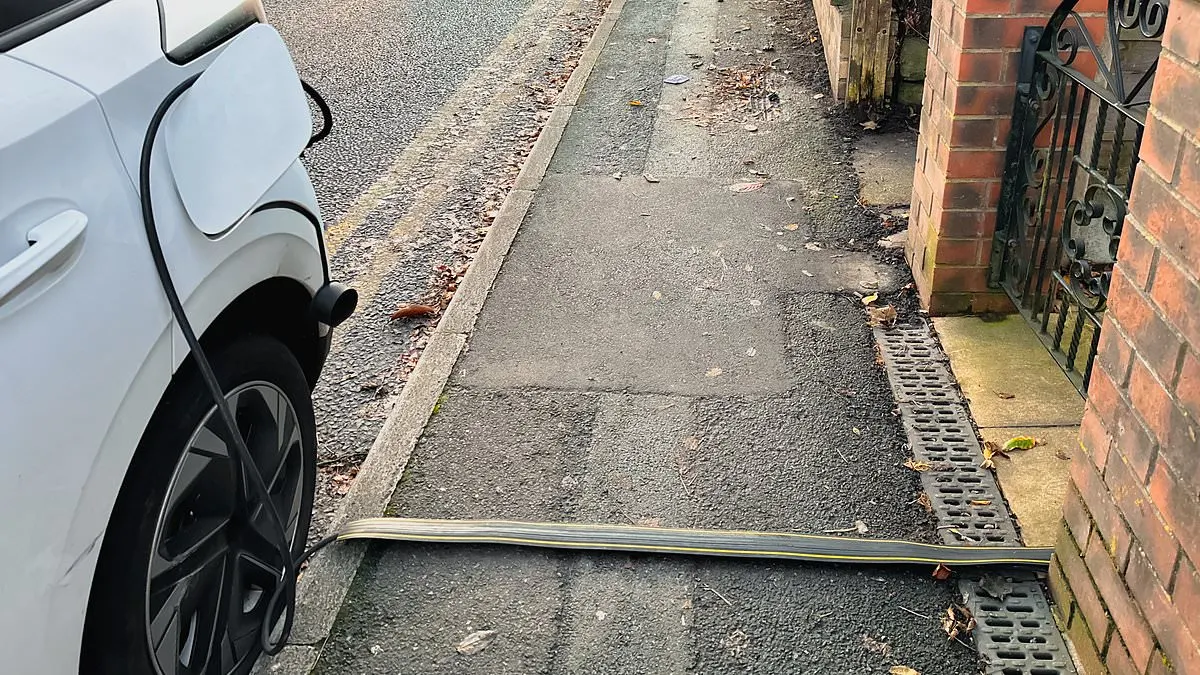
Millions of UK residents in conservation areas are to be banned from charging electric vehicles on streets outside their homes from October 21. The government made last-minute changes to newly introduced rules that were meant to allow all residents without driveways to run charging cables across public pavements without planning permission. The policy reversal, announced on September 25 with little prior notice, has surprised residents and could undermine efforts to encourage EV adoption among households without off-street parking.
Of the 6.8 million people living in conservation areas, approximately 3.4 million do not have driveways. Around 100,000 EV owners are likely to be affected nationwide. Home charging typically costs 7p per mile compared with 15p per mile at public chargers, meaning the restriction could effectively double running costs. The government has argued the ban is necessary to protect the special character of conservation areas, though local authorities retain the power to grant blanket permission if they choose.
- Last-minute government ban: 3.4 million can't charge EVs at home
- Conservation area residents face doubled charging costs from October 21
- Policy reversal undermines efforts to encourage electric vehicle adoption
New here? Start with this
Many British homes, particularly in older urban areas and conservation zones, lack private driveways or off-street parking. These residents have traditionally struggled to charge electric vehicles, as they would need to run charging cables across public pavements to reach cars parked on the street. Conservation areas are neighbourhoods designated for their special architectural or historical character, and are subject to stricter planning rules designed to protect their appearance.
The cost of charging an electric car at home is roughly half that of using public chargers. For the millions of residents without driveways, street charging has become an important way to make electric vehicle ownership financially viable. Restrictions on this option could significantly increase running costs for these households compared with those fortunate enough to have private parking.
The government argues that visible charging infrastructure could harm the appearance of heritage conservation areas. However, local councils retain the power to grant permission for street charging in their areas if they decide the benefits justify any potential impact on historical character. This means access to affordable home charging will ultimately depend on which neighbourhood residents live in.
Both sides, in good faith
The strongest fair case each way — we don't pick a winner.
The case for
Conservation areas are designated specifically to protect their distinctive character and architectural heritage; allowing extensive visible charging infrastructure threatens the very qualities that justify their protected status. The government has a reasonable interest in maintaining visual standards in these areas, particularly as cable networks could proliferate considerably, and alternative solutions—including public charging networks, private charging points, and local authority discretion—can accommodate EV charging without compromising heritage.
The case against
The policy disproportionately penalises residents without driveways, who are often lower-income households already facing higher EV transition costs; effectively doubling their running expenses whilst wealthier residents with off-street parking enjoy cheap home charging undermines both equity and climate goals. Given the urgency of decarbonisation, the sudden policy reversal punishes those relying on the earlier announced flexibility, and modern design solutions can integrate charging infrastructure into conservation areas without materially damaging their character.