Millions of UK households to get £100 energy bill payment – check if you’re eligible
Developed over time first seen 3 hours ago
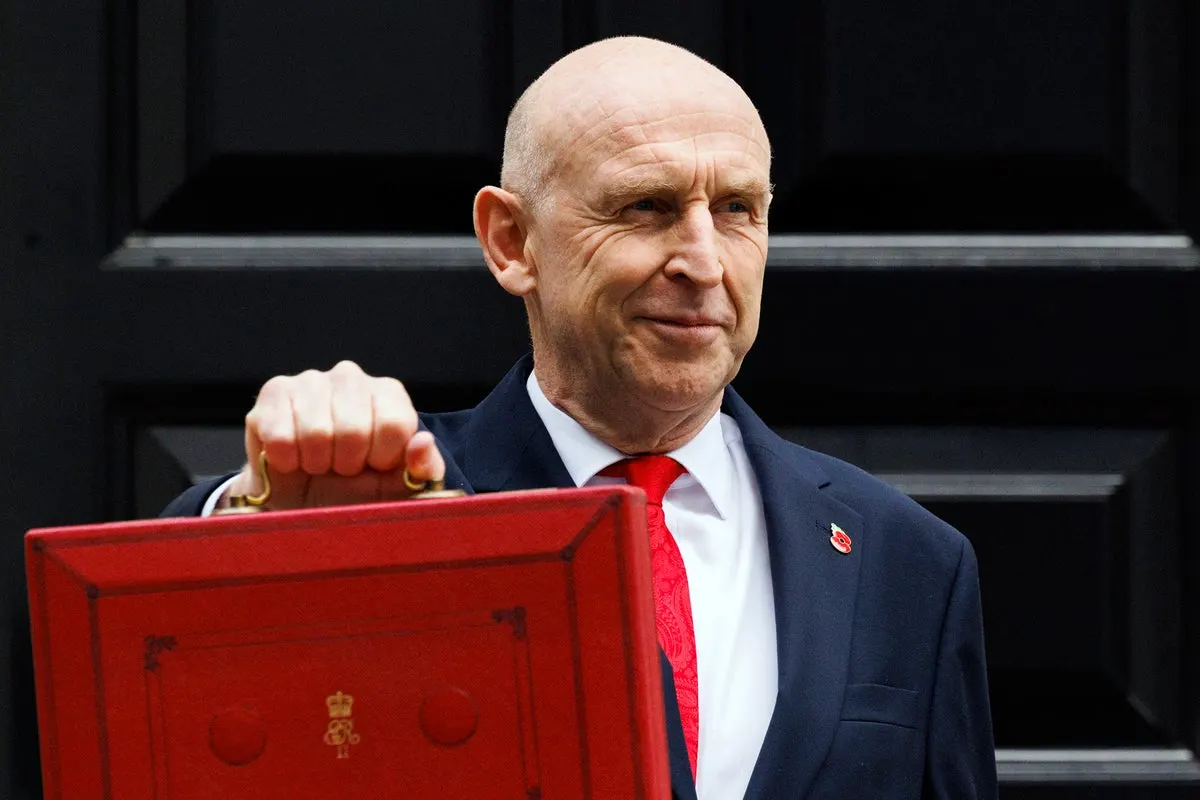
The chancellor announced a £100 energy payment for around 20 million UK households this winter, aimed at easing pressure from rising bills. It will be paid automatically into bank accounts and is intended to help eligible households through the coldest months until spring.
Eligibility is limited to homes in council tax bands A to D, covering an estimated 80 per cent of fuel-stressed households and 88 per cent of households in the bottom three income deciles. The scheme is expected to cost £2.6 billion, funded in part by a temporary increase in the bank surcharge. The article also says the government will offer councils £100 million for crisis and housing support, and plans to scrap gas standing charges from next year.
- Sources
- 2
- Outlets
- 1
- Left · Centre · Right
- 2 · 0 · 0
In short
- Around 20 million households are due a £100 payment this winter.
- Eligibility is based on council tax bands A to D.
- The scheme is expected to cost £2.6 billion.
How this story developed
- 1 minute ago The chancellor announced a £100 energy payment for around 20 million UK households this winter, aimed at easing pressure from rising bills. It will be paid automatically into bank accounts and is intended to help eligible households through the coldest months until spring.
Steelman: both sides, in good faith
The strongest fair case each way — we don't pick a winner.
The case for
A £100 automatic payment could provide timely help with winter bills, especially for lower-income households facing fuel stress, while broad eligibility may reach people who need support without a complex application. Funding it partly through a temporary bank surcharge and adding council crisis support could spread the response across immediate relief and longer-term assistance.
The case against
A universal payment within council tax bands A to D also gives money to households that may not be struggling, while excluding some households in higher bands that could still face severe hardship. At an expected cost of £2.6 billion, critics could argue that more targeted support would direct public funds to those most in need and that a temporary bank surcharge may have wider economic effects.
Explained simply
Energy bills include the cost of the gas and electricity a home uses, along with fixed charges for being connected to the supply. In winter, households often use more energy for heating and lighting, and higher bills can put particular pressure on people with low incomes or homes that are costly to heat.
Council tax bands, which run from A to H in England and Scotland, are based broadly on a home’s value and are used to calculate council tax. They are also used in some government schemes to decide which homes qualify for support, though a home’s band does not show how much its occupants earn or how much energy they use.
The chancellor is the government minister responsible for public finances, including decisions about taxes and public spending. The bank surcharge is an extra tax on banks, so changing it can affect how the government funds measures such as household support.
Coverage · 2 sources
Bias meters
From 2 rated sources.
Entertainment Music Politics UK World